To manage an interior decoration project successfully, follow a strict 6-phase project lifecycle: 1. Survey & Floorplan Drafting; 2. Concept & 60-30-10 Color Board; 3. Budget Allocation (50/30/20 with 15% reserve); 4. Long-Lead Core Furniture Ordering; 5. Trades & Paint Installation; and 6. Final Layered Styling & Rug Placement.
At a Glance: Key Takeaways
- Never purchase furniture before drafting an exact room floorplan with tape measurements.
- Account for 8–14 week lead times on custom upholstery and imported solid wood furniture.
- Always include a mandatory 15% contingency reserve in your decoration budget.
- Sequence project work correctly: Paint and electrical wiring must finish before rugs and sofas arrive.
In-Depth Guides in this Directory
Explore specialized subtopic blueprints, technical dimensions, and execution checklists:
Common Home Decoration Mistakes: Scale, Lighting, & Layout Fixes
Avoid the 10 most common home decorating mistakes: undersized rugs, improper art hanging heights, clinical 5000K lighting, and perimeter furniture crowding.
Decoration Planning Checklist: Complete Blueprint From Initial Measurement to Final Styling
The definitive master decoration checklist: 6-phase master blueprint covering physical measurements, 60-30-10 palettes, lighting, furniture, and styling.
Decoration Budget Planner: Cost Estimations & Contingency Formulas
Master decoration financial planning: line-item cost estimating, 15% contingency formulas, trade labor rates, delivery surcharges, and high-ROI allocation.
1. The 6-Phase Professional Decoration Lifecycle
Interior decoration fails when homeowners buy furniture haphazardly without a structured project timeline. Delivering a polished, cohesive home on schedule requires following a proven 6-phase engineering workflow:
- Phase 1: Discovery & Spatial Survey (Weeks 1–2): Measure all wall lengths, ceiling heights, door swing clearances, electrical outlet locations, and window casings.
- Phase 2: Concept & Palette Architecture (Weeks 2–3): Define the 60-30-10 color scheme, tactile material moodboard, and lighting layers.
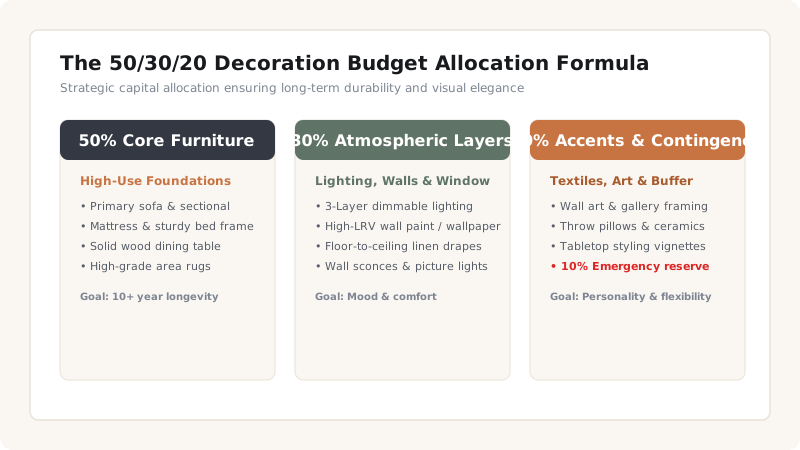
- Phase 3: Budgeting & Procurement (Weeks 3–4): Allocate the 50/30/20 budget with a 15% contingency reserve and place orders for long-lead core furniture (custom sofas take 8–12 weeks).
- Phase 4: Architectural Envelope & Trades (Weeks 5–8): Complete painting, electrical dimmer installations, wall mouldings, and flooring.
- Phase 5: Furniture Installation & Delivery (Weeks 9–10): Receive core furniture, inspect for freight damage, and position pieces on floorplan marks.
- Phase 6: Layering, Art & Final Vignettes (Weeks 11–12): Mount wall art at 58" on center, hang drapery, and style tabletop vignettes.
Decoration Project Phase & Timeline Matrix
Use this reference table to calculate exact physical dimensions, ratios, and specifications before purchasing:
| Project Phase | Typical Duration | Core Deliverables | Critical Milestone | Common Failure Risk |
|---|---|---|---|---|
| 1. Spatial Survey | 3–5 Days | Drafted floorplan with 36" pathways | Zero-clearance validation | Buying oversized furniture |
| 2. Palette & Concept | 1 Week | 60-30-10 swatch boards & lighting plan | Client / Partner sign-off | Impulse purchases without plan |
| 3. Procurement | 1–2 Weeks | Furniture orders placed + PO tracking | Lead time alignment | Custom sofa delays (8-12 wks) |
| 4. Trades & Paint | 2–3 Weeks | Wall paint, lighting circuits, mouldings | Envelope 100% dust-free | Painting after rugs are delivered |
| 5. Core Delivery | 1–3 Days | Sofas, beds, dining tables placed on rugs | Furniture inspected for damage | Freight damage uninspected |
| 6. Styling & Art | 3–5 Days | Art hung at 58", curtains hung high, styling | Final punch list complete | Hanging art too high |
Decoration Planning Constraints
Every successful decoration project must account for physical and environmental constraints:
Supply Chain and Freight Delays
Custom upholstery takes 8 to 14 weeks. Never schedule painting and move-in parties based on optimistic delivery estimates; track freight bills of lading weekly.
Trade Sequencing Conflicts
Never allow painters and floor installers to work in the same room simultaneously; drywall dust ruins fresh floor finishes and wet paint absorbs dust.
Hidden Delivery & Assembly Surcharges
White-glove delivery, packaging disposal, and assembly add 10–15% to furniture retail prices. Factor these into your budget spreadsheet up front.
How to Run an Interior Decoration Project
Execute this professional sequence to achieve flawless results without backtracking:
Draft 1/4" Scale Room Floorplan
Measure all walls and door swings; tape primary 36-inch walkways on the floor.
Build Master 50/30/20 Budget Spreadsheet
Input line items for core furniture, atmospheric lighting/paint, and accent decor + 15% reserve.
Order Long-Lead Core Furniture First
Place orders for sofas, custom dining tables, and beds that have 8+ week production lead times.
Schedule Electrician and Painter
Install 2700K dimmer circuits and paint walls before any new furniture arrives in the house.
Unpack, Position, and Layer Accents
Lay area rugs first, place core furniture, hang art at 58" on center, and style tabletop vignettes.
Common Mistakes & Countermeasures
Avoid these costly errors that compromise aesthetics, ergonomics, and budget:
Painting Walls After Moving in the New Furniture
Project Execution Checklist
Track your physical progress. Checkboxes persist automatically on this device:
Frequently Asked Questions
How much contingency should you budget for home decorating?
Always budget a 15% cash contingency reserve above your estimated furniture costs to cover sales tax, freight shipping, white-glove delivery, and unexpected hardware/anchor expenses.
What order should you buy furniture in?
Buy in order of scale: 1. Area Rugs (defines the zone); 2. Primary Sofa / Bed (largest footprint); 3. Secondary Tables and Chairs; 4. Lighting and Drapery; 5. Artwork and Tabletop Styling.