
Stiffen custom drapery headers using 4-inch wide non-woven synthetic buckram crinoline (avoid woven glue-backed craft interfacing). Sandwich the buckram inside the double-folded header between the face fabric and blackout lining, creating a rigid foundation that holds crisp pleat geometry and anchors heavy steel pin hooks.
At a Glance: Key Takeaways
- 4-Inch Width Standard: 4 inches provides optimal vertical proportion for 8-foot to 10-foot ceiling heights.
- Non-Woven Synthetic Buckram: 100% moisture-resistant; will not shrink, soften, or disintegrate during dry cleaning.
- Prevents 'Header Flop': Keeps the top edge of pleated drapes standing dead-straight without curling forward.
- Anchors Heavy Steel Pin Hooks: Dense buckram fibers grip pin hooks tightly, preventing sagging under heavy fabric loads.
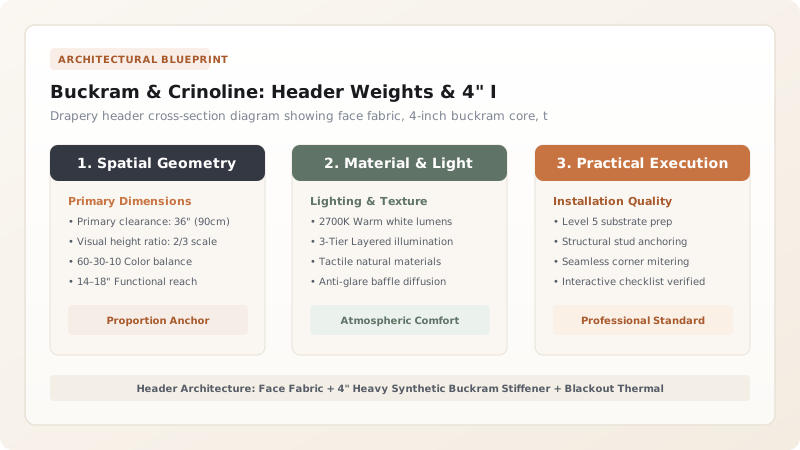
1. Material Science: Non-Woven Synthetic vs Glue-Bonded Fusibles
Cheap craft stores sell lightweight glue-backed iron-on fusible interfacing for draperies. When steamed or professionally dry-cleaned, the adhesive melts and delaminates, causing the curtain header to bubble, wrinkle, and collapse into a limp, floppy rag.
Professional workrooms use Heavy Non-Woven Synthetic Buckram (Crinoline) made of heat-bonded polyester fibers (120–160 g/m²). It contains zero adhesives, remains unaffected by steam or solvents, and provides lifetime spring-back memory that keeps pleats standing sharp.

Buckram & Header Stiffener Types Comparison
Use this reference table to calculate exact physical dimensions, ratios, and specifications before purchasing:
| Stiffener Type | Material Formulation | Dry Cleaning Stability | Best Drapery Application |
|---|---|---|---|
| 4" Heavy Synthetic Non-Woven (Optimal) | 100% Polyester bonded matrix | 100% Stable (Zero shrinkage) | Medium-to-heavy linen, velvet, wool drapes |
| 3.5" Translucent Crinoline | Ultra-thin clear monofilament | High | Lightweight sheer and voile draperies |
| 5" Extra-Heavy Buckram | Dense 180 g/m² synthetic | High | Tall 12ft - 18ft two-story grand draperies |
| Iron-On Fusible Web (FORBIDDEN) | Glue-coated paper/poly | FAILS: Delaminates & bubbles | Craft projects ONLY (Never custom drapes) |
Sheer Fabric Stiffener Shadow Show-Through Constraints
Every successful decoration project must account for physical and environmental constraints:
White Buckram Showing Through Sheer Linen Drapes as an Ugly Bright Band
Standard white buckram is opaque and creates a glaring white stripe at the top of sheer curtains; strictly specify 'Translucent Monofilament Crinoline' for sheer and semi-sheer fabrics so backlighting passes through invisibly.
How to Insert and Sew Buckram into a Drapery Header
Execute this professional sequence to achieve flawless results without backtracking:
Cut Buckram to Finished Panel Width
Cut 4-inch synthetic buckram to match panel cut width minus side hem allowances.
Position Buckram at Top Edge
Place buckram 1/2" down from the top edge on the wrong side of the face fabric.
Fold Double 4-Inch Header Hem
Fold fabric 4 inches over the buckram, then fold a second 4 inches to completely encase the stiffener.
Press Crisp Edge with Iron
Use a heavy steam iron to press the top folded edge dead-sharp.
Fold and Stitch Calculated Pleats
Mark pleat intervals and stitch through all 4 layers (Fabric + Buckram + Lining) with heavy-duty thread.
Common Mistakes & Countermeasures
Avoid these costly errors that compromise aesthetics, ergonomics, and budget:
Using Lightweight 2-Inch Buckram on 9-Foot Ceiling Draperies
Project Execution Checklist
Track your physical progress. Checkboxes persist automatically on this device:
Frequently Asked Questions
Can buckram be washed in water?
Synthetic non-woven buckram can be hand-washed in cool water without softening. However, because custom drapery face fabrics (linen, silk, wool) require dry cleaning, drapery panels should generally be professionally dry-cleaned.


