
Design an outdoor gas fire lounge by sizing the stainless steel burner between 50,000 and 100,000 BTUs for genuine radiant warmth. Maintain a strict 36-inch clear radius between the flame pan edge and surrounding furniture cushions, ensure 80 inches of overhead clearance, and fill the pan with tempered fire glass or pre-cured volcanic lava rock.
At a Glance: Key Takeaways
- 50,000 to 100,000 BTU Burner Sizing: Delivers real radiant heat to occupants in a 6-foot radius (cheap 30K BTU tables are purely decorative).
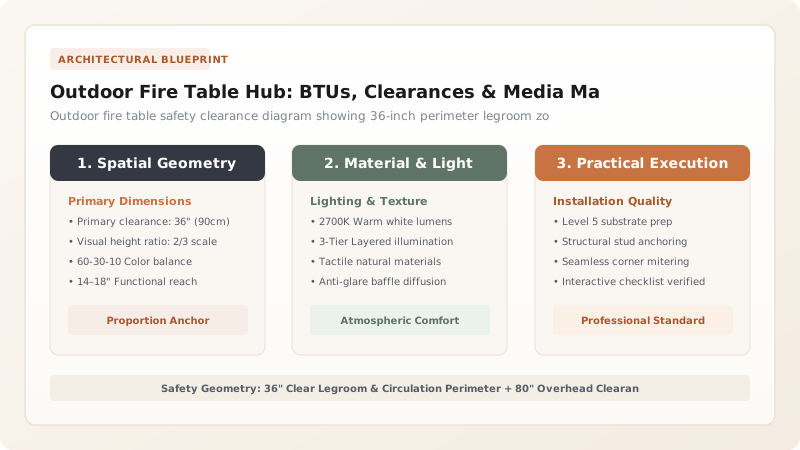
- 36-Inch Perimeter Safety Clearance: Allows comfortable legroom while preventing radiant heat from blistering synthetic sofa cushions.
- 80-Inch Overhead Clearance Standard: Mandatory vertical clearance to wooden pergolas, canvas umbrellas, or covered patio ceilings.
- Hardwired Natural Gas vs Propane: 3/4" buried gas pipe provides endless fuel without bulky 20-lb propane tank swaps.
- Tempered Fire Glass Safety: Specially heat-treated 1/2-inch reflective glass will not pop or shatter under 1,200°F burner heat.
In-Depth Guides in this Directory
Explore specialized subtopic blueprints, technical dimensions, and execution checklists:
Fire Table BTUs: Gas Pipe Sizing & Whistle-Free Lines
Master gas fire table plumbing: BTU heating calculations (50K–100K), pipe friction loss (1/2" vs 3/4" lines), 1/4-turn emergency shut-off valves, and non-whistle flex hoses.
Fire Table Clearances: 36" Legroom & 80" Overhead Math
Master outdoor fire table clearance ergonomics: 36" perimeter furniture spacing, 80" overhead non-combustible clearances, synthetic fabric heat damage, and foot traffic flow.
Fire Media: Tempered Glass vs Lava Rock Thermal Physics
Master gas fire table media selection: 1/2" tempered reflective fire glass vs porous volcanic lava rock, thermal expansion shock, moisture popping explosion risks, and soot.
1. Thermodynamics: Convective Heat Loss vs Radiant Heat Radius
Outdoors, warm air generated by an open flame immediately rises upward into the atmosphere via natural thermal convection. A small 30,000 BTU fire table provides virtually zero warmth to seated guests on a breezy 50°F autumn evening.
To deliver genuine comfort, outdoor lounges require a High-Output 65,000 to 100,000 BTU 304 Stainless Steel Burner (Crossfire / HPC Burners). Engineered air-to-gas mixing jets accelerate flame velocity, generating powerful infrared radiant energy that warms human skin and clothing directly regardless of wind.

Fire Table Burner Output & Heat Radii
Use this reference table to calculate exact physical dimensions, ratios, and specifications before purchasing:
| Burner Output (BTU/hr) | Effective Heat Radius | Gas Supply Line Sizing | Best Use Case |
|---|---|---|---|
| 50,000 - 65,000 BTU (Standard) | 3 - 4 Foot Radius (Mild chill) | 1/2" Gas Pipe / 20-lb Propane Tank | Compact 4-person patio chat sets |
| 80,000 - 100,000 BTU (Optimal) | 5 - 7 Foot Radius (45°F Cold night) | 3/4" Hardwired Gas Pipe | Large sectional lounge seating areas |
| 150,000+ BTU (Commercial) | 8 - 10 Foot Radius (Snow / Winter) | 1.0" Dedicated Gas Supply | Resort courtyards & estate fire pits |
| 30,000 BTU (Budget Big-Box) | 1 - 2 Foot (Decorative Only) | 20-lb Propane Tank | FAILS: No noticeable warmth in cold weather |
Wet Lava Rock Popping Explosion Constraints
Every successful decoration project must account for physical and environmental constraints:
Rain-Soaked Porous Lava Rock Exploding Like Shrapnel When Lit
Porous lava rock absorbs rainwater; lighting the burner rapidly boils trapped internal water into high-pressure steam, exploding rock shards into guests' faces; always cover fire tables with a fitted waterproof aluminum lid when not in use, and specify non-porous tempered fire glass in rainy climates.
How to Plan and Install an Outdoor Gas Fire Table
Execute this professional sequence to achieve flawless results without backtracking:
Trench 3/4" Underground Gas Line
Trench a 3/4" yellow polyethylene gas pipe buried 18 inches deep connected to a manual key shut-off valve.
Cast GFRC or Masonry Table Enclosure
Build the fire table carcass using non-combustible concrete or stone with bottom air intake vents.
Drop in 304 Stainless Burner Pan
Install stainless drop-in pan equipped with weep holes for automatic rainwater drainage.
Connect 1/2" Whistle-Free Stainless Flex Line
Attach corrugated non-whistling flexible gas line from valve to burner orifice.
Fill with 1/2" Tempered Fire Glass
Pour 2 inches of tempered reflective fire glass or ceramic fire balls over the burner ring.
Common Mistakes & Countermeasures
Avoid these costly errors that compromise aesthetics, ergonomics, and budget:
Using Standard Corrugated Gas Flex Lines that Emit Loud Whistling
Project Execution Checklist
Track your physical progress. Checkboxes persist automatically on this device:
Frequently Asked Questions
Can an outdoor fire table be placed on a wood or composite deck?
Yes, provided the fire table has a certified non-combustible base that remains cool to the touch (tested to CSA/ANSI standards) and maintains a minimum 1-inch elevated air gap beneath the carcass.


