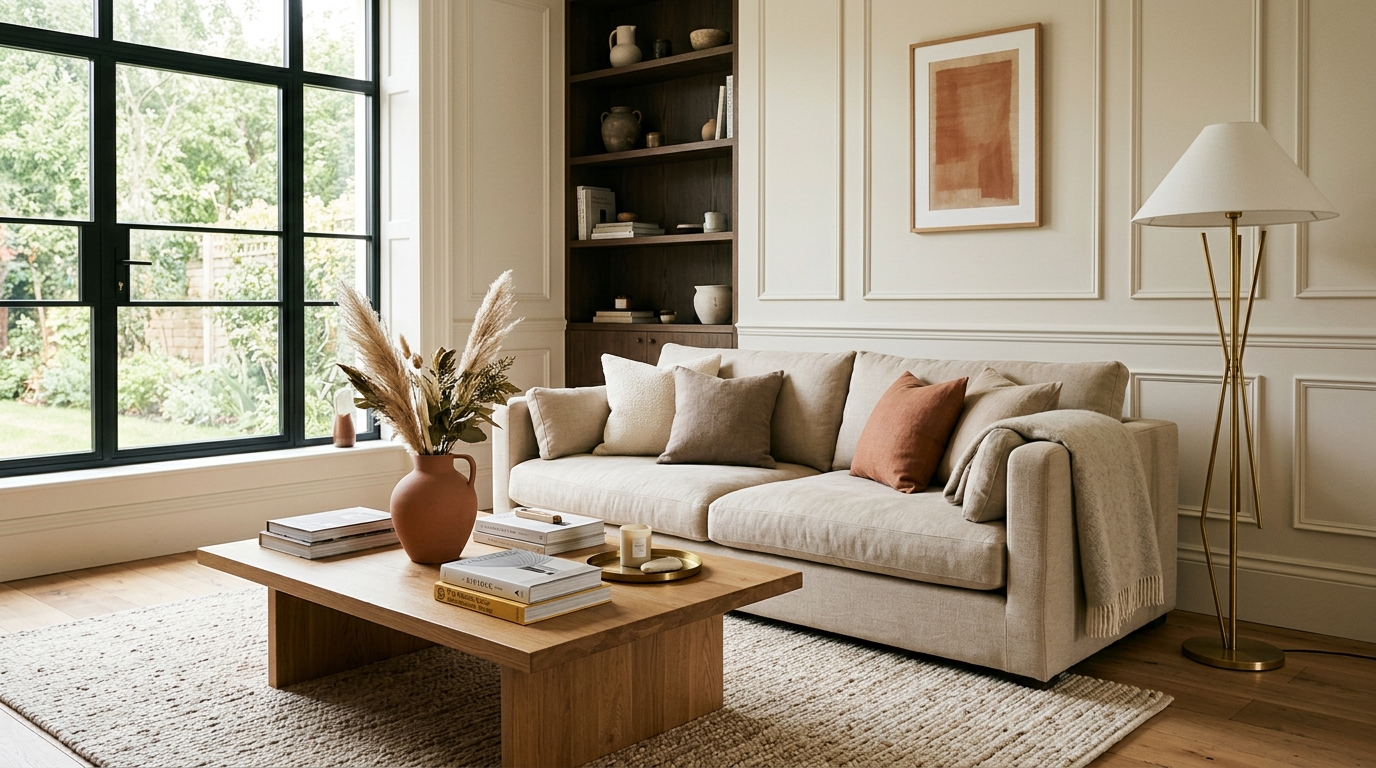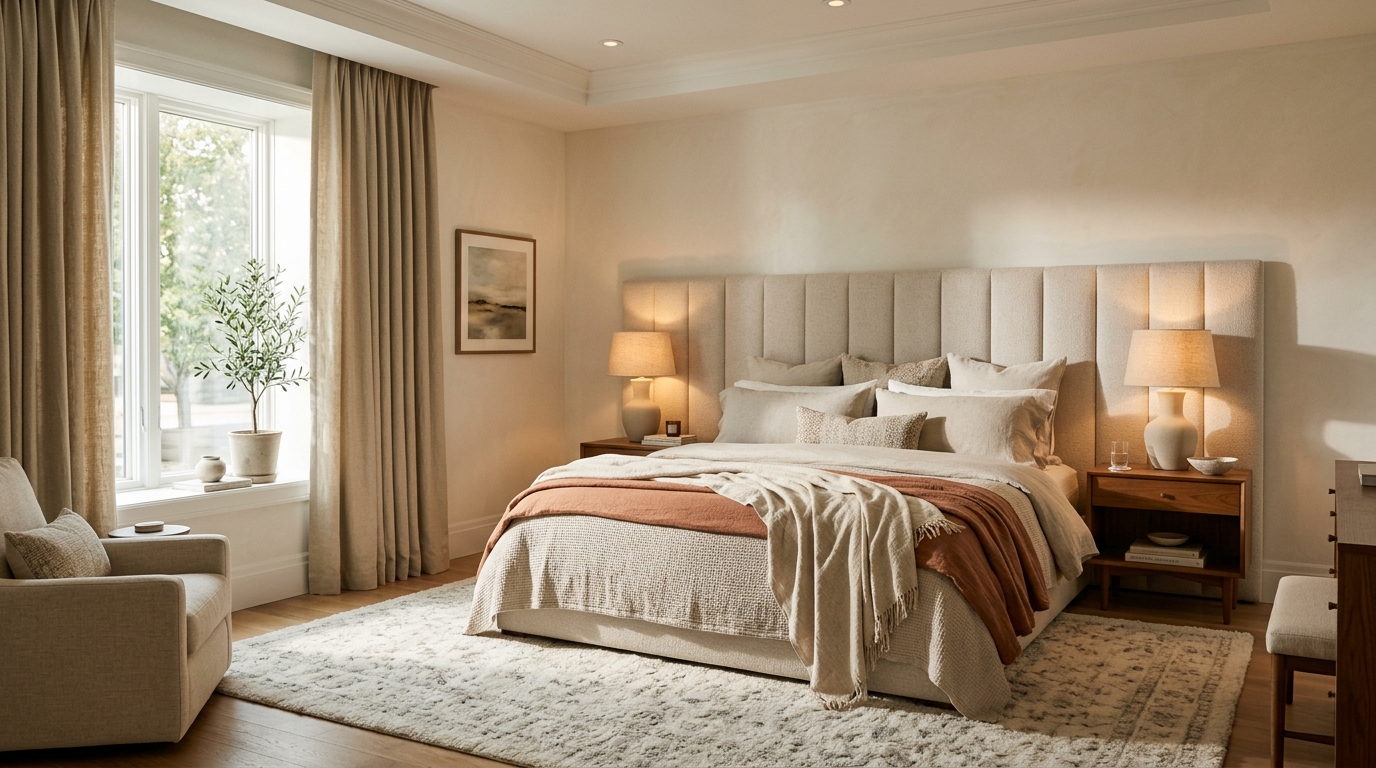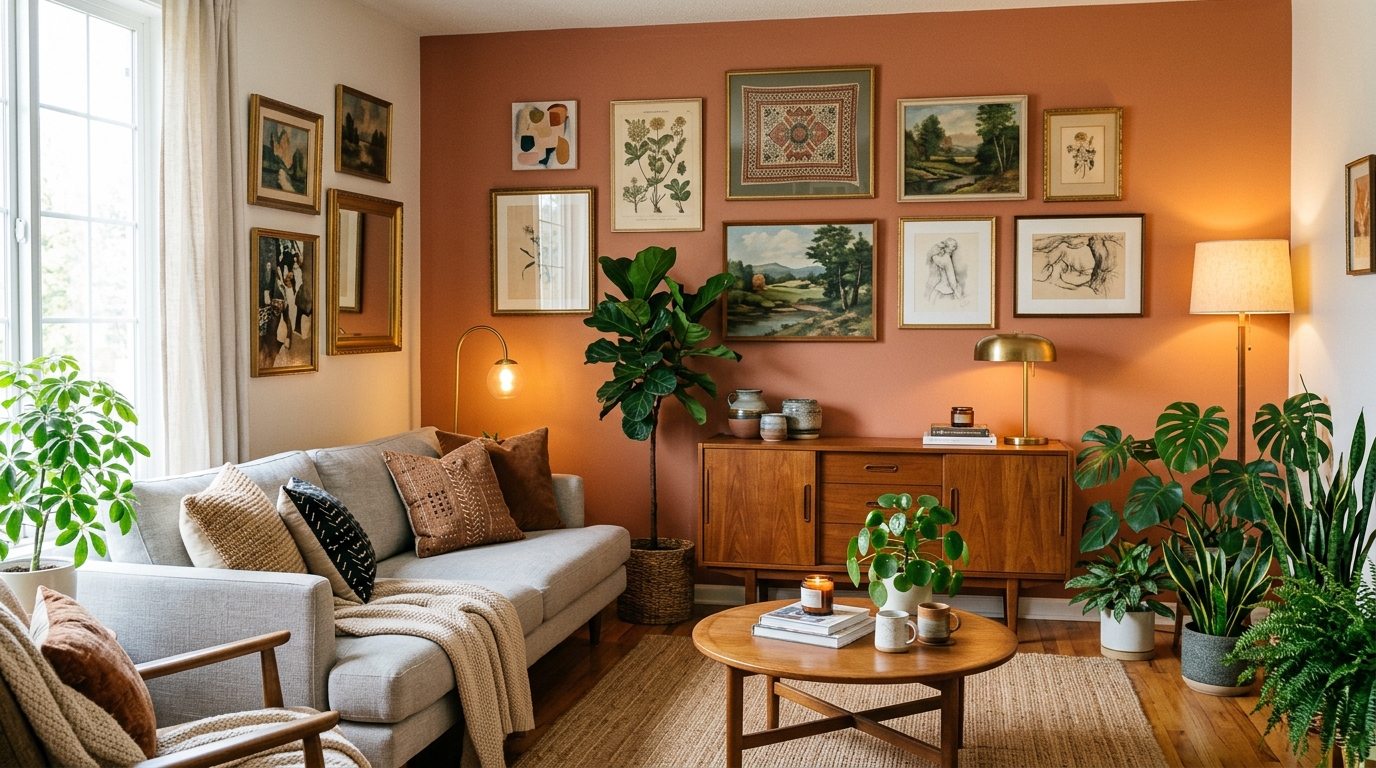
To incorporate traditional metal and woodwork craftsmanship, choose unlacquered 'living finish' brass hardware that ages and patinates naturally with human touch. Pair with solid wood furniture featuring visible traditional joinery (dovetail, mortise-and-tenon), conditioned with natural beeswax rather than synthetic high-gloss polyurethane.
At a Glance: Key Takeaways
- Unlacquered living brass oxidizes naturally, developing rich golden-brown patina over time.
- Look for authentic joinery marks: hand-cut dovetail drawer corners and pinned mortise joints.
- Condition antique carved wood with natural beeswax polish to feed wood fibers without synthetic build-up.
- Avoid shiny faux-antique plastic hardware; insist on solid forged brass and cast bronze.
1. The Beauty of Living Finishes & Hand-Carved Joinery
In an era of mass-produced flat-pack furniture, traditional craft details celebrate the human hand. Authentic materials age gracefully, gaining beauty and value through decades of use:
- Unlacquered Living Brass: Unlike factory clear-coated brass that stays permanently bright and artificial, raw unlacquered brass reacts with oxygen and hand oils, darkening in recesses and highlighting on contact points.
- Traditional Wood Joinery: Dovetail corner joints in drawers, exposed through-tenons on tables, and hand-carved floral rosettes signify solid structural integrity that can be repaired for centuries.
- Natural Oil & Wax Finishes: Penetrating linseed, tung oil, and carnauba wax finishes absorb deep into wood pores, preserving the warm, tactile feel of natural grain.
Traditional Hardware & Finish Specifications
Use this reference table to calculate exact physical dimensions, ratios, and specifications before purchasing:
| Craft Element | Material Standard | Finish Behavior | Maintenance Protocol | Authenticity Sign |
|---|---|---|---|---|
| Cabinet Knobs / Pulls | Solid Forged Brass | Living finish (develops patina) | Wipe with damp cloth; polish only if desired | Heavy weight in hand (>150g) |
| Antique Wood Console | Solid Walnut / Teak / Oak | Matte beeswax sheen | Apply paste wax once a year | Dovetail joints & saw kerf marks |
| Door Hinges & Latches | Cast Iron / Oil-Rubbed Bronze | Matte black with bronze wear highlights | Light machine oil on pivot pins | Visible forge marks / sand cast texture |
| Carved Wall Mirrors | Carved Wood with Gold Leaf | Soft gilded luster | Dry feather duster only (no glass cleaner) | Subtle red clay bole showing beneath gold |
Traditional Craft Constraints
Every successful decoration project must account for physical and environmental constraints:
Chemical Cleaner Damage to Living Brass
Spraying harsh ammonia glass cleaners onto unlacquered brass causes green corrosion spotting. Clean brass with mild soap and warm water only.
Weight of Solid Cast Hardware
Solid brass handles are heavy; ensure cabinet doors have solid wood stiles or reinforced screw backings to prevent screw pull-out.
Central Heating Wood Cracking
Antique carved panels shrink in dry heated winter air. Maintain 40–50% relative indoor humidity with a central humidifier.
How to Restore and Condition Antique Carved Woodwork
Execute this professional sequence to achieve flawless results without backtracking:
Remove Surface Grime with Mineral Spirits
Dampen a soft cotton rag with odorless mineral spirits to dissolve old wax without stripping original wood patina.
Clean Deep Carvings with Soft Brush
Use a soft natural bristle toothbrush to gently lift dust from intricate carved crevices.
Apply Natural Beeswax Paste
Rub paste wax in circular motions along wood grain using a clean lint-free cloth.
Allow Wax to Dry to a Haze (15 Mins)
Let the natural carnauba and beeswax solvents evaporate for 15 minutes.
Buff with Horsehair Shoe Brush
Buff vigorously with a horsehair brush to produce a warm, glowing satin luster that repels moisture.
Common Mistakes & Countermeasures
Avoid these costly errors that compromise aesthetics, ergonomics, and budget:
Polishing Unlacquered Brass Back to Mirror Shine Every Month
Project Execution Checklist
Track your physical progress. Checkboxes persist automatically on this device:
Frequently Asked Questions
How can you tell real solid brass from brass-plated steel?
Use a simple refrigerator magnet. A magnet will NOT stick to solid brass. If the magnet snaps firmly to the hardware, it is cheap iron or steel coated in a thin brass plating that will flake over time.
What is the best way to speed up patina on new brass hardware?
To age new unlacquered brass quickly, expose it to vinegar fumes inside an enclosed plastic container for 1 to 2 hours; the acetic acid vapors gently darken the brass naturally.