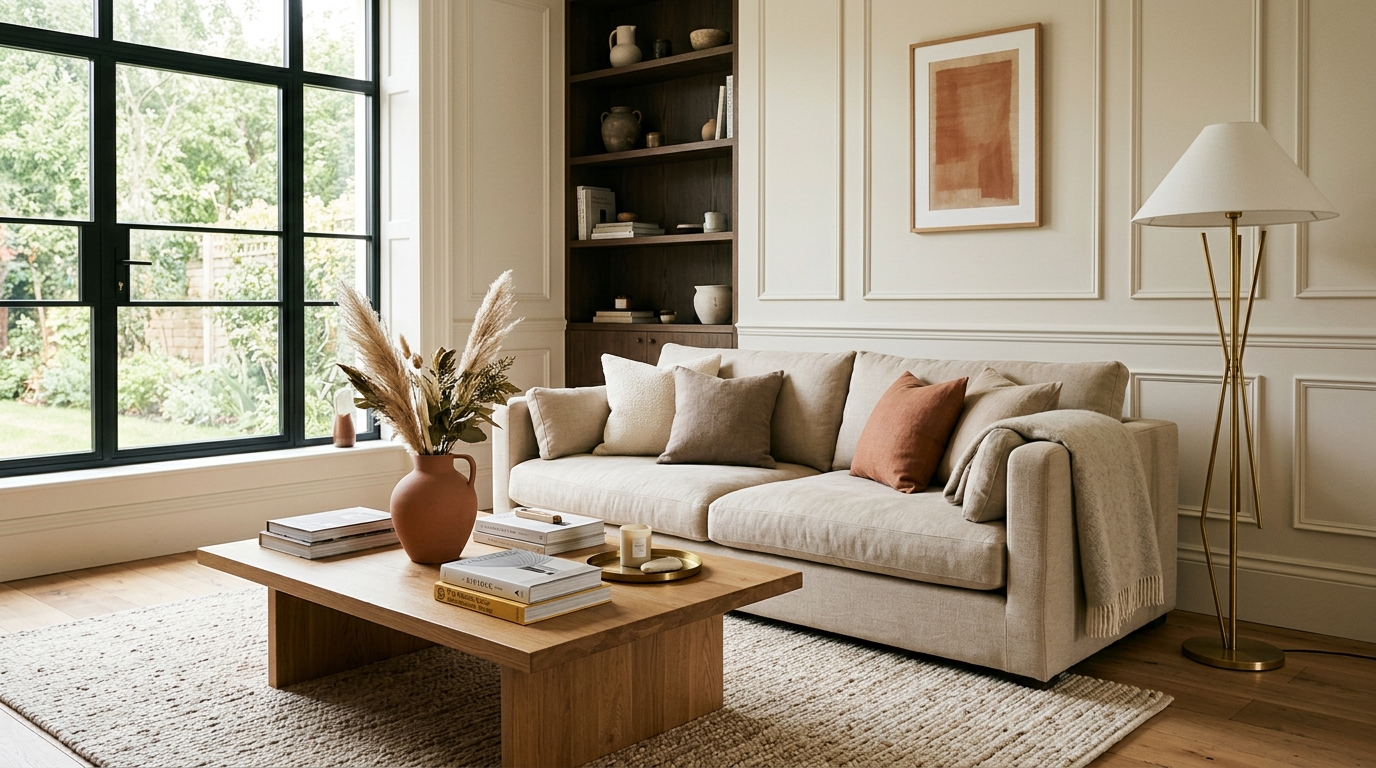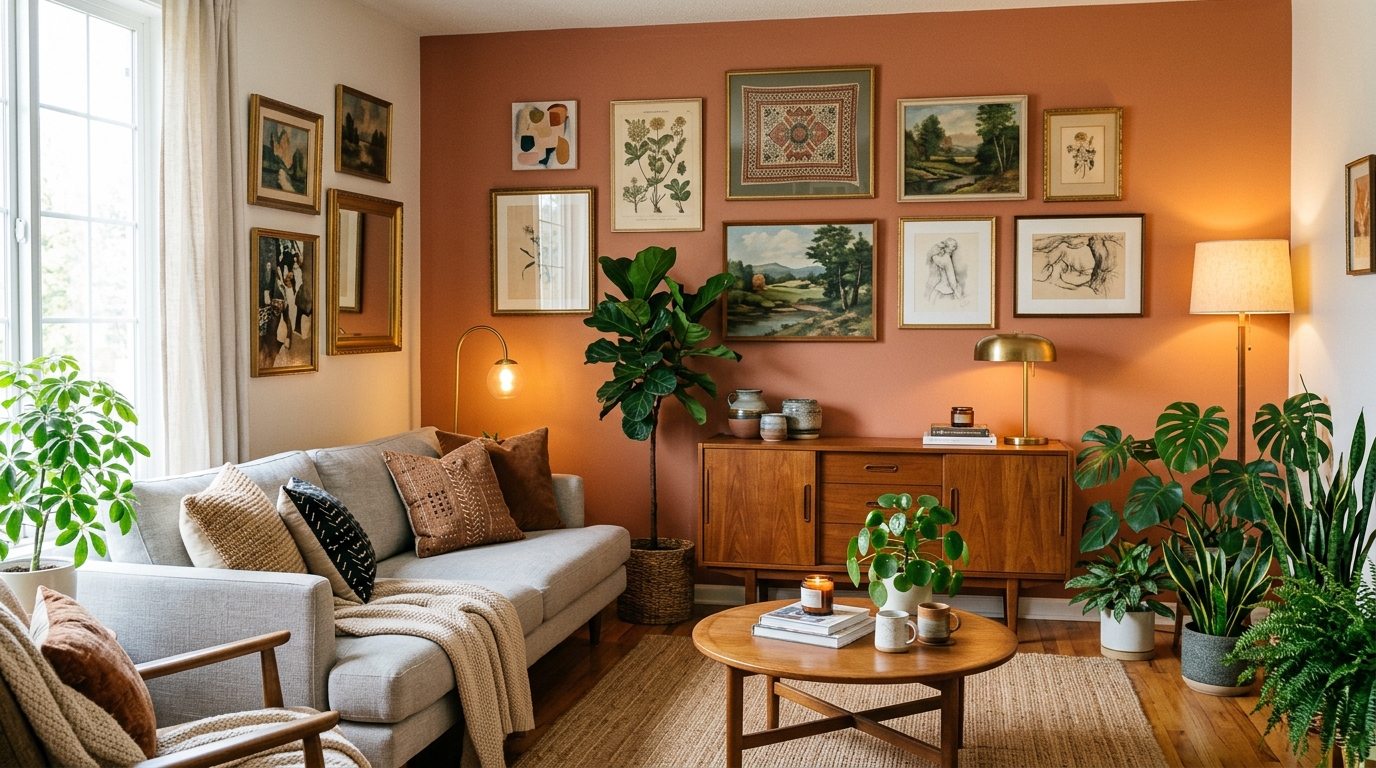
To decorate with cultural and heritage textiles without visual clutter, follow the Pattern Scaling Rule: select one large-scale hero textile (such as a hand-knotted Oushak or Kilim rug) as the foundation, pair with medium-scale geometric textiles (Uzbek Ikat or Indian Block Print cushions), and ground with 60% solid neutral linen upholstery.
At a Glance: Key Takeaways
- Layer smaller vintage kilims over large, inexpensive natural jute rugs for full room coverage.
- Scale patterns deliberately: 1 large geometric (rug) + 1 medium motif (pillows) + solid fabrics.
- Authentic hand-spun vegetable-dyed wool ages with beautiful, soft tonal variation (abrash).
- Use framed antique textile fragments (Kuba cloth, Suzani embroidery) as one-of-a-kind wall art.
1. World Heritage Textile Traditions & Weave Structures
Mass-produced synthetic printed fabrics lack the human soul and tactile depth of authentic handwoven textiles. Integrating cultural textiles honors global artisan traditions while introducing rich texture:
- Flat-Woven Kilims & Dhurries: Reversible, tapestry-woven wool and cotton rugs featuring bold geometric tribal motifs. Extremely durable and lightweight, perfect for layering over neutral jute.
- Hand-Dyed Uzbek Ikat: Complex resist-dyeing technique where yarns are tie-dyed before weaving, creating signature feathered, blurred geometric patterns on silk and velvet.
- Hand-Embroidered Suzani: Central Asian silk-on-cotton floral medallions and sunbursts, stunning when used as bedspreads, wall tapestries, or framed art.
- Indian Hand-Block Prints: Carved teak wood blocks stamped with natural vegetable dyes on fine cotton, perfect for breezy summer curtains and tablecloths.
Heritage Textile Guide & Care Matrix
Use this reference table to calculate exact physical dimensions, ratios, and specifications before purchasing:
| Textile Type | Origin / Technique | Fibers Used | Best Application | Care Protocol |
|---|---|---|---|---|
| Vintage Kilim | Turkey / Anatolia (Flat-weave) | 100% Hand-spun wool | Living room rug / runner | Vacuum without beater bar; spot clean |
| Uzbek Ikat | Central Asia (Resist-dyed warp) | Silk & Cotton / Silk Velvet | Throw pillow covers | Dry clean only (preserve natural dyes) |
| Suzani Tapestry | Uzbekistan / Tajikistan (Needlework) | Silk embroidery on cotton | Wall hanging / Bed throw | Professional textile conservation clean |
| Indigo Mudcloth (Bògòlanfini) | Mali (Fermented mud dye) | Hand-spun woven cotton | Upholstered bench / throw | Cold gentle hand wash (dye may bleed) |
Heritage Textile Constraints
Every successful decoration project must account for physical and environmental constraints:
Natural Vegetable Dye Sun Bleaching
Authentic madder root and indigo dyes fade rapidly under direct UV sunlight. Keep vintage textiles away from unshaded south-facing windows.
Color Bleeding on Wet Cleaning
Never submerge vintage Suzanis or Ikats in hot water; natural dyes bleed into surrounding white cotton. Test colorfastness with a damp white cotton swab first.
Moth Damage in Pure Wool
Clothes moths feed on natural wool keratin in dark spaces. Use natural cedar blocks and lavender sachets in storage bins, avoiding toxic mothballs.
How to Layer a Vintage Kilim Rug Over Jute
Execute this professional sequence to achieve flawless results without backtracking:
Lay Large Natural Jute Rug (9x12 ft)
Position an oversized, affordable woven jute or sisal rug to cover 70% of the room's floor plane.
Place Dual-Surface Non-Slip Pad
Set a thin non-slip rug pad on top of the jute where the vintage kilim will rest to prevent shifting.
Layer Smaller Vintage Kilim (5x8 ft)
Center or angle the colorful handwoven kilim over the jute base within the coffee table conversation zone.
Anchor with Coffee Table
Set the coffee table on top of the kilim to lock both layers firmly in place.
Echo Kilim Colors in Accent Pillows
Select 2 throw pillow covers that pull one secondary tone (e.g., indigo or ochre) from the kilim pattern.
Common Mistakes & Countermeasures
Avoid these costly errors that compromise aesthetics, ergonomics, and budget:
Mixing Multiple Clashing Cultural Patterns of the Same Scale
Project Execution Checklist
Track your physical progress. Checkboxes persist automatically on this device:
Frequently Asked Questions
What is 'Abrash' in vintage handmade rugs?
Abrash refers to the natural horizontal color variations and banding seen in authentic handmade wool rugs. It occurs because small batches of hand-spun wool absorb natural vegetable dyes slightly differently, serving as proof of authentic artisanal weaving.
How do you hang a vintage Suzani textile on a wall?
Sew a strip of 2-inch wide soft velcro along the top back edge of the textile. Mount a matching wood lath with the hook-side velcro to the wall, and press the textile onto the strip for a perfectly flat, damage-free hanging.