
Install a white shiplap ceiling by snapping chalk lines across ceiling joists and nailing 1x6 nickel-gap shiplap boards perpendicular to joists using 2-inch 16-gauge finish nails. Use real nickels as 1/8-inch spacers and cut clean pot light holes using an adjustable hole saw.
At a Glance: Key Takeaways
- Nickel Gap Rule: 1/8-inch gap allows shadow definition while accommodating wood movement.
- Face Nailing: Drive two 16-gauge nails per joist crossing, sinking heads 1/16" below surface.
- Pot Light Holes: Use a 4-1/4 inch bi-metal hole saw with a plastic dust bowl catcher.
- Pre-Painting Gaps: Paint the black rabbet groove before installation so unpainted wood is never exposed.
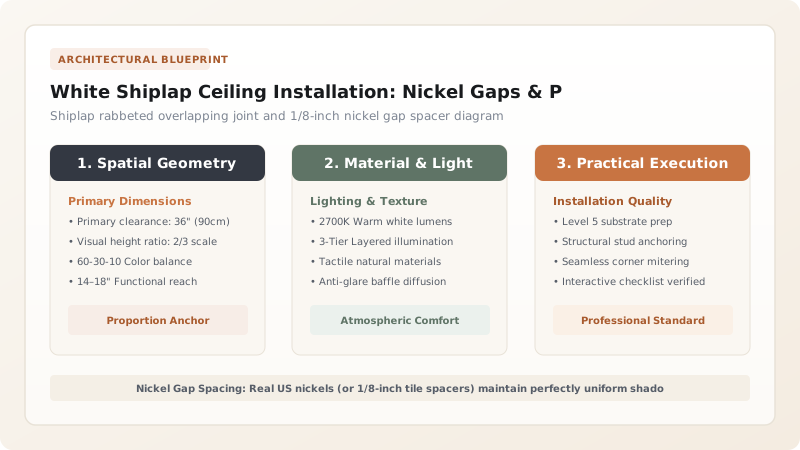
1. Rabbeted Joints vs True Nickel-Gap Shiplap
Authentic shiplap boards feature an overlapping rabbeted joint on opposite edges. Unlike tongue and groove, shiplap boards overlap, allowing each board to expand and contract freely without binding.
Modern factory-milled 'nickel-gap' shiplap features a built-in 1/8-inch tongue spacer that automatically sets the perfect gap between boards, cutting installation time in half.

Shiplap Ceiling Material Options
Use this reference table to calculate exact physical dimensions, ratios, and specifications before purchasing:
| Shiplap Material | Board Width | Pre-Primed Status | Best Installation Zone |
|---|---|---|---|
| MDF Nickel-Gap Planks | 1x6 (5.5" wide) | Factory double-primed | Dry living rooms, bedrooms, kitchens (Ultra flat) |
| Solid Poplar Shiplap | 1x6 or 1x8 | Unfinished / Primed | High-end residential custom ceilings |
| Western Red Cedar Shiplap | 1x6 | Unfinished raw wood | Bathrooms, outdoor patios, steam areas |
| Plywood Ripped Strips (Budget) | 1/4" plywood ripped to 6" | Unfinished | DIY low-budget renovations |
Unpainted Tongue Exposure Constraints
Every successful decoration project must account for physical and environmental constraints:
Raw Wood Peeking Through Gaps in Winter
When shiplap contracts in dry winter heating, unpainted wood tongues become visible inside the gaps; paint the groove and tongue black or white BEFORE nailing the boards to the ceiling.
How to Install a Nickel-Gap Shiplap Ceiling
Execute this professional sequence to achieve flawless results without backtracking:
Paint the Rabbet Tongues
Roll black or satin white paint into all board edges before installation.
Snap Joist Chalk Lines
Mark ceiling joists with chalk every 16 inches on center.
Nail First Row 1/4" from Wall
Level the first row and drive two 16-gauge nails into each joist.
Cut Pot Light Holes
Measure wire box locations and cut holes with 4-1/4" hole saw.
Fill Nail Holes & Paint
Fill nail dimples with lightweight spackle, sand flush, and roll satin white paint.
Common Mistakes & Countermeasures
Avoid these costly errors that compromise aesthetics, ergonomics, and budget:
Jamming Shiplap Boards Completely Tight Without Gaps
Project Execution Checklist
Track your physical progress. Checkboxes persist automatically on this device:
Frequently Asked Questions
Should shiplap on a ceiling be painted flat or satin?
Satin or Eggshell is best for shiplap ceilings. The subtle sheen accentuates the 1/8-inch shadow lines and allows for easy cleaning, whereas flat paint can look dusty.


