
Choose V-groove planks for ceilings to create subtle, elegant shadow lines. Select knotty pine for rustic warmth, clear yellow pine for golden tones, or pre-primed poplar for ultra-smooth painted finishes. Fasten with 16-gauge pneumatic finish nails into every ceiling joist.
At a Glance: Key Takeaways
- V-Groove Bevel: 45-degree chamfer creates a subtle, shadow-defining micro-channel.
- Species Selection: Poplar (smooth paint), Pine (warm stain), Cedar (moisture resistance).
- Staggering Seams: Stagger butt joints by at least 24 inches across adjacent plank rows.
- Scarf Joints: Cut end-to-end joints at a 45-degree bevel for invisible seams.
1. V-Groove vs Square-Edge Shiplap Profiles
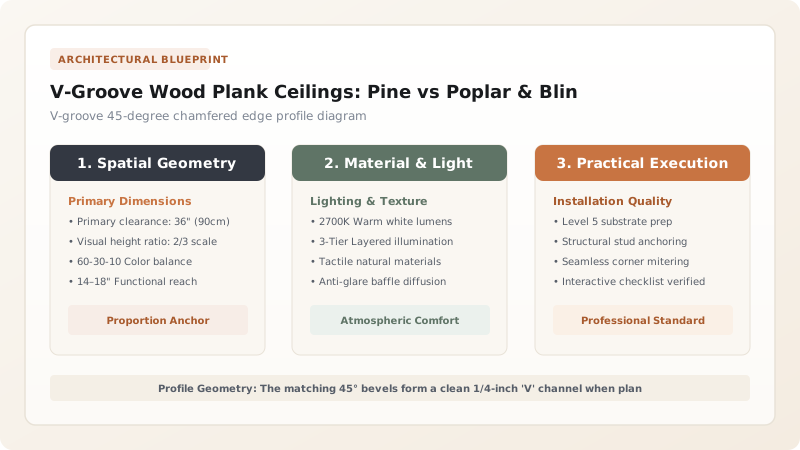
Unlike flat nickel-gap shiplap (which has sharp 90-degree square corners that collect dust), V-groove planks feature a 45-degree chamfer on both top edges. When pushed together, the meeting chamfers form a shallow, elegant V-channel that softens ceiling lighting reflections.

Wood Species for Ceiling Planking
Use this reference table to calculate exact physical dimensions, ratios, and specifications before purchasing:
| Wood Species | Janka Hardness | Grain Character | Ideal Finish |
|---|---|---|---|
| Clear Poplar (Hardwood) | 540 (Stable) | Tight, fine grain without knots | Painted satin white/greige (Zero grain bleed) |
| Eastern White Pine (Softwood) | 380 (Soft) | Prominent warm grain & knots | Clear satin polyurethane or amber stain |
| Western Red Cedar | 350 (Fragrant) | Rich reddish-brown variegation | Natural teak oil or matte exterior sealer |
| Southern Yellow Pine | 690 (Dense) | Bold contrasting grain stripes | Rustic medium walnut stain |
Pine Knot Bleed Constraints
Every successful decoration project must account for physical and environmental constraints:
Yellow Pine Knots Bleeding Through White Paint
Pine tree resin bleeding through latex primer leaves ugly yellow-brown rings on painted ceilings; apply two coats of shellac-based primer (Zinsser B-I-N) over all knots before painting.
How to Join Plank Ends Across Long Ceilings
Execute this professional sequence to achieve flawless results without backtracking:
Cut 45-Degree Scarf Joints
Miter the ends of joining boards at 45 degrees rather than square 90-degree butt cuts.
Land Joints on Joists
Always ensure the scarf joint lands directly over a solid wood ceiling joist.
Apply Wood Glue to Joint
Apply a dab of PVA wood glue to the beveled joint face before nailing.
Stagger Adjacent Rows
Keep end joints at least 24 to 32 inches apart on adjacent board runs.
Common Mistakes & Countermeasures
Avoid these costly errors that compromise aesthetics, ergonomics, and budget:
Using 90-Degree Square Butt Joints on Long Runs
Project Execution Checklist
Track your physical progress. Checkboxes persist automatically on this device:
Frequently Asked Questions
What width V-groove plank is best for standard ceilings?
1x6 planks (which have an actual 5.25-inch exposed face) provide the most balanced proportion for 8 to 10-foot ceilings. 1x4 planks look too busy, while 1x8 planks can look overly rustic.


