
Design a Southwestern Adobe Desert Modern interior by incorporating the classic Santa Fe architectural elements: install 8 to 10-inch peeled ponderosa pine viga ceiling beams lined with herringbone aspen latillas, sculpt a curved beehive kiva fireplace with recessed wall nichos, and lay warm handmade Saltillo terracotta clay floor tiles.
At a Glance: Key Takeaways
- Peeled Ponderosa Pine Vigas: Massive 8" to 12" round timber log ceiling beams resting on hand-carved wood corbels (*zapatas*).
- Herringbone Aspen Latillas: 2-inch peeled aspen or cedar sapling branches laid between vigas in decorative angled patterns.
- Sculpted Beehive Kiva Fireplaces: Curved organic adobe masonry hearths with parabolic combustion chambers for radiant heat.
- Recessed Wall Nichos: Arched, smooth plaster wall niches illuminated with micro-spots to display Pueblo pottery.
- Handmade Saltillo Terracotta Tile: Sun-baked Mexican clay floor tiles sealed with high-gloss amber polyurethane.
- Earthen Desert Pigment Palette: Terracotta rust, desert sage green, raw adobe ochre, bleached bone white, and turquoise.
In-Depth Guides in this Directory
Explore specialized subtopic blueprints, technical dimensions, and execution checklists:
Viga & Latilla Ceilings: Peeled Pine Logs & Aspen Twigs
Master Santa Fe viga and latilla ceiling engineering: 8-10" hand-peeled ponderosa pine logs, hand-carved corbels (*zapatas*), herringbone aspen sapling patterns, and load bearing.
Kiva Fireplaces: Parabolic Fireboxes & Curved Nichos
Master Santa Fe beehive kiva fireplace and nicho architecture: parabolic curved combustion geometry, refractory firebrick lining, and soft-radius earthen plaster walls.
Saltillo Tile Floors: Sun-Baked Clay & High-Gloss Sealers
Master authentic Mexican Saltillo terracotta tile flooring: sun-baked clay porosity, wide 1/2" mortar joints, dog paw print authenticity, and high-gloss acrylic-urethane sealing.
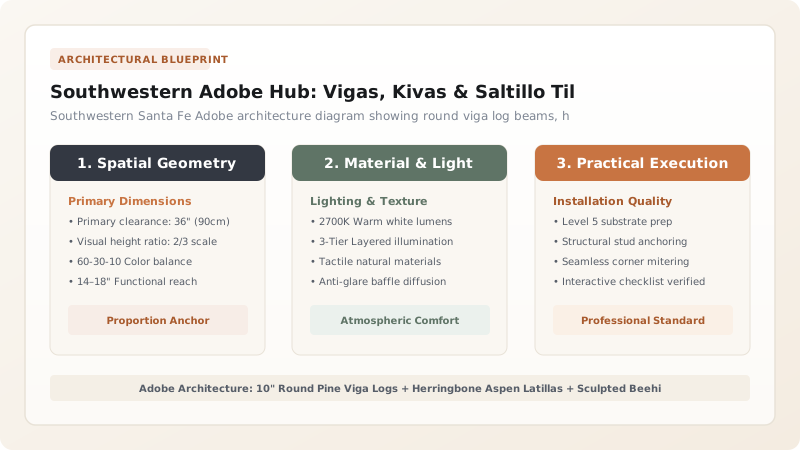
1. Indigenous & Spanish Heritage: Pueblo Revival & Territorial Architecture
Rooted in centuries of Native American Pueblo and Spanish colonial building traditions in New Mexico and Arizona, Pueblo Revival and Adobe Modernism is defined by its harmonious connection to the earth.
Thick, soft-edged curved adobe walls (or hand-troweled earthen plaster) protect against extreme desert temperature swings. Ceilings showcase heavy structural round log beams (*vigas*), while fires glow inside organic, sculptural beehive kiva hearths, creating an earthy sanctuary of quiet desert warmth.

Adobe Architectural Elements & Material Specifications
Use this reference table to calculate exact physical dimensions, ratios, and specifications before purchasing:
| Architectural Element | Traditional Santa Fe / Adobe Spec | Modern Desert Adaptation | Tactile Character |
|---|---|---|---|
| Ceiling Primary Beams | 8" - 10" Round Peeled Ponderosa Pine Vigas | Engineered round spruce vigas | Heavy rustic structural timber rhythm |
| Ceiling Secondary Deck | 2" Peeled Aspen Latillas (Herringbone) | Split cedar tongue-and-groove boards | Intricate organic woven ceiling texture |
| Fireplace Hearth | Curved Beehive Kiva (Adobe masonry) | Steel-framed curved CMU with plaster | Sculptural organic room anchor |
| Flooring | 12" × 12" Handmade Saltillo Tile (Amber sealed) | Large-format honed desert sandstone | Warm sun-baked earthy floor plane |
| Wall Openings | Arched Plaster Nichos with soft bullnose | Recessed drywall with wood lintel | Frames Pueblo pottery & sacred art |
Viga Log Checking Splitting Constraints
Every successful decoration project must account for physical and environmental constraints:
Solid Round Pine Vigas Developing Deep Radial Cracks (Checking)
Whole tree logs inevitably develop natural 1/2-inch radial drying cracks as they acclimate indoors; this is normal structural behavior, not a defect; ensure logs are kiln-dried to under 12% moisture before installation to stabilize movement.
How to Design an Adobe Desert Modern Living Space
Execute this professional sequence to achieve flawless results without backtracking:
Install Hand-Peeled Viga Ceiling Beams
Set 10" diameter peeled pine vigas spaced 32" to 36" apart resting on carved wooden corbels (*zapatas*).
Lay Aspen Latillas in Herringbone Pattern
Fasten 2" peeled aspen poles diagonally between vigas, alternating directions for herringbone texture.
Construct Curved Kiva Fireplace
Frame curved beehive masonry in room corner, lining firebox with refractory brick and coating in warm white plaster.
Rout Soft Bullnose Wall Corners
Apply 3/4" radiused bullnose corner beads to all drywall corners and trowel with warm earthen clay plaster.
Lay and Seal Saltillo Terracotta Tile
Set 12x12 handmade Saltillo tiles with wide 1/2" mortar joints; seal with high-solids gloss acrylic-urethane sealer.
Common Mistakes & Countermeasures
Avoid these costly errors that compromise aesthetics, ergonomics, and budget:
Using Sharp 90-Degree Square Drywall Corners in an Adobe Home
Project Execution Checklist
Track your physical progress. Checkboxes persist automatically on this device:
Frequently Asked Questions
What wood is burned in traditional kiva fireplaces?
Piñon pine (*Pinus edulis*) is the sacred wood of the American Southwest. It burns with a distinctive sweet, resinous, incense-like aroma that defines the sensory experience of a Santa Fe winter evening.


