
Use gimbal recessed lights by placing fixtures 24 to 30 inches away from the wall for smooth wall washing, or 6 to 12 inches for dramatic texture grazing. Tilt the adjustable eyeball optic 30 degrees toward the wall or artwork to eliminate glare.
At a Glance: Key Takeaways
- Wall Washing (Flat Walls/Art): Position 24 to 30 inches from wall with 30° tilt.
- Wall Grazing (Brick/Stone/Timber): Position 6 to 12 inches from wall with steep downward angle.
- Eyeball Mechanism: 360° rotation with 30° to 35° vertical tilt.
- Beam Spread: Use 24° narrow spot for artwork; 40° flood for full wall washing.
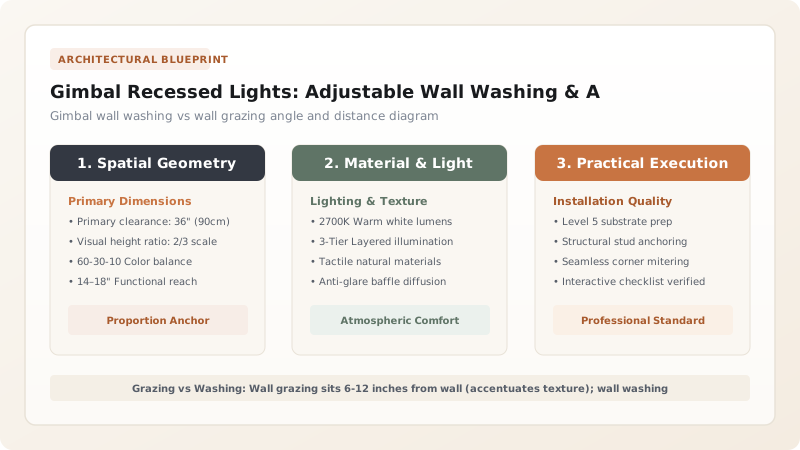
1. Wall Washing vs Architectural Wall Grazing
Adjustable gimbal downlights allow you to aim light beams with surgical precision. Understanding the difference between wall washing and wall grazing dictates fixture placement:
- Wall Washing (24-30 Inches Out): Illuminates a wall evenly from floor to ceiling, making the room feel wider and highlighting framed paintings without glare.
- Wall Grazing (6-12 Inches Out): Casts light at an acute angle across textured surfaces (exposed brick, fluted wood slats, stacked stone) to create deep sculptural shadows.

Gimbal Technique & Spacing Matrix
Use this reference table to calculate exact physical dimensions, ratios, and specifications before purchasing:
| Technique | Distance from Wall | Distance Between Lights | Ideal Surface Material |
|---|---|---|---|
| Wall Washing | 24" - 30" from wall | 30" - 36" apart | Smooth painted drywall, gallery walls |
| Wall Grazing | 6" - 12" from wall | 24" - 30" apart | Stacked stone, brick veneer, wood slats |
| Feature Art Spotlighting | 30" - 36" from art center | 1 fixture per artwork | Large canvas oil paintings, sculptures |
| Fireplace Breast Highlight | 18" - 24" from mantel | 2 fixtures flanking center | Marble mantelpiece, tile hearth |
Ceiling Hole Clearance Constraints
Every successful decoration project must account for physical and environmental constraints:
Gimbal Bevel Drywall Binding
Tilting gimbal modules 30 degrees requires internal housing clearance; ensure the ceiling cut-out is smooth and drywall edges do not pinch the rotating bezel.
How to Aim a Gimbal Recessed Downlight
Execute this professional sequence to achieve flawless results without backtracking:
Set Distance from Wall
Install housing 24 inches from wall for art, or 8 inches for stone.
Mount Artwork First
Hang art piece with centerline at 58 inches before aiming.
Tilt Optic 30 Degrees
Rotate gimbal bezel toward the canvas at a 30-degree downward tilt.
Lock Set Screw
Tighten gimbal friction collar to prevent movement over time.
Common Mistakes & Countermeasures
Avoid these costly errors that compromise aesthetics, ergonomics, and budget:
Placing Gimbal Lights Too Far into the Room (> 4 Feet)
Project Execution Checklist
Track your physical progress. Checkboxes persist automatically on this device:
Frequently Asked Questions
What is the best beam angle for highlighting artwork?
A 24 to 30-degree narrow flood beam angle is ideal for highlighting artwork, providing concentrated illumination on the frame while feathering softly at the edges.


