
Prevent grease and dust on open kitchen shelves by following two critical rules: 1) Maintain at least 24 to 30 inches of clear horizontal distance between open shelves and your cooktop, and 2) Install a ducted range hood venting outside rated for 600 to 900 CFM, running it on low every time you cook.
At a Glance: Key Takeaways
- Aerosolized Oil Physics: Cooking fats vaporize into 5-micron oil droplets that float in air currents until settling.
- The 30-Inch Setback: Positioning open shelves outside the 45-degree thermal cooking plume prevents grease film.
- 600-900 CFM Ducted Hood: Eliminates 95% of airborne oil droplets at the source (recirculating filters fail).
- Matte Polyurethane Seal: Coating wood shelves in water-based matte poly allows quick, non-stick wipe-downs.
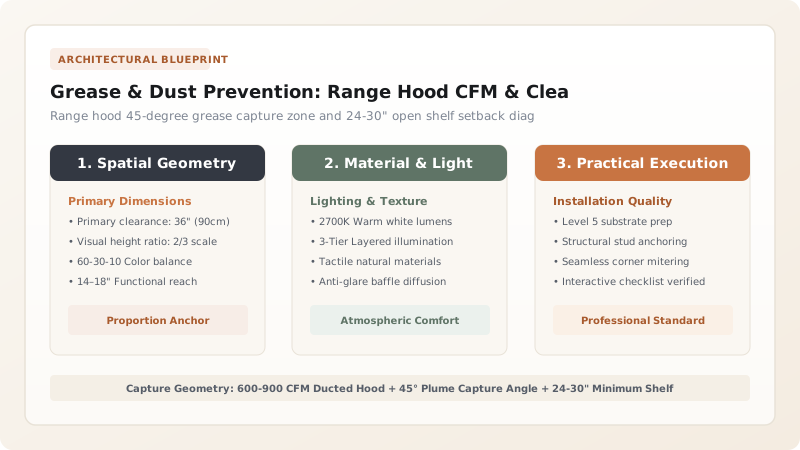
1. Cooking Aerosol Dynamics & Range Hood Capture Cones
When cooking with oils, pan heat causes microscopic fat lipids to vaporize into an aerosolized thermal plume that rises at a 45-degree outward angle. If your kitchen has a cheap, ductless microwave vent (150 CFM), the oil vapor bypasses the charcoal filter, floats across the ceiling, and condenses as a sticky yellow film on open shelves.
Preventing grease requires active capture at the source: a dedicated ducted range hood with stainless steel baffle filters moving 600 to 900 CFM (Cubic Feet per Minute) directly to the outdoors.

Range Hood Performance vs Open Shelf Grease Risk
Use this reference table to calculate exact physical dimensions, ratios, and specifications before purchasing:
| Range Hood Type | Airflow Capacity (CFM) | Venting Path | Open Shelf Grease Risk |
|---|---|---|---|
| Ducted Canopy Hood (Baffle Filters) | 600 - 900 CFM | Vented directly outdoors | 0% (Negligible grease on shelves) |
| Under-Cabinet Ducted Vent | 400 - 600 CFM | Vented through roof/wall | Low (If turned on during cooking) |
| Over-the-Range Microwave (OTR) | 200 - 300 CFM | Recirculating back into room | High (Grease coats shelves in 2 months) |
| Downdraft Cooktop Vent | 400 - 600 CFM | Downward suction | Moderate (Struggles with tall stockpots) |
Unsealed Raw Wood Staining Constraints
Every successful decoration project must account for physical and environmental constraints:
Raw Unsealed Wood Shelves Absorbing Cooking Oil Permanently
Leaving wood shelves raw or only treated with mineral oil allows cooking oils to soak deep into wood pores, leaving dark permanent grease rings; strictly finish shelves with 3 coats of commercial water-based matte polyurethane (like Bona Mega or General Finishes High Performance).
How to Maintain Pristine Open Kitchen Shelves
Execute this professional sequence to achieve flawless results without backtracking:
Turn on Range Hood 2 Min Before Cooking
Start hood on Low before heating pans to establish upward thermal draft currents.
Maintain 24-30" Shelf Distance
Ensure the nearest open shelf begins at least 24 inches away from cooktop edge.
Wash Baffle Filters Monthly
Run stainless steel range hood filters through the dishwasher once a month.
Monthly 2-Minute Microfiber Wipe
Wipe shelves monthly with warm water and 2 drops of Dawn dish soap to dissolve any surface dust.
Common Mistakes & Countermeasures
Avoid these costly errors that compromise aesthetics, ergonomics, and budget:
Installing Open Shelves Directly Flanking a Gas Range (Under 12" Away)
Project Execution Checklist
Track your physical progress. Checkboxes persist automatically on this device:
Frequently Asked Questions
Can I have open kitchen shelves if I fry food frequently?
Yes! If you size your ducted range hood to 800+ CFM, turn it on every time you cook, and place shelves 30 inches away, you can cook with woks and cast-iron skillets without sticky shelf residue.


