
Install open kitchen shelving by anchoring concealed solid steel floating shelf brackets directly into wall studs (150-lb live load rating). Size shelves at 10 to 12 inches deep and 1.75 to 2.5 inches thick in solid hardwood, maintaining a minimum 24-inch clearance from gas cooktops to prevent grease buildup.
At a Glance: Key Takeaways
- Stud-Mounted Steel Rods: Never use drywall anchors; solid steel rod brackets must lag-screw into 2x4 studs.
- Shelf Dimensions: 10 to 12 inches deep (fits standard 10.5" dinner plates) × 2 inches thick solid hardwood.
- Everyday Stacking Rule: Only display tableware used daily (plates, bowls, glasses) so dust never has time to settle.
- Grease Prevention Zone: Maintain at least 24 to 30 inches of clearance between open shelves and your cooking range.
In-Depth Guides in this Directory
Explore specialized subtopic blueprints, technical dimensions, and execution checklists:
Floating Shelf Bracket Math: Stud Lag Screws & Cantilever Leverage
Master floating shelf bracket engineering: cantilever torque leverage formulas, 150-lb live load ratings, 3-inch GRK structural lag screws, and precision boring jigs.
Kitchen Shelf Styling: Everyday Stacks, Ceramics & Glassware
Master open kitchen shelf styling: the Everyday Tableware rotation rule, stacking ceramic plates (sets of 6-8), grouping glassware, and mixing tactile wood bowls.
Grease & Dust Prevention: Range Hood CFM & Clearances
Master grease and dust prevention for open kitchen shelves: 600-900 CFM ducted range hood sizing, 24-30 inch cooktop setbacks, aerosolized cooking oil physics, and maintenance.
1. Structural Load Physics & Concealed Bracket Engineering
A stack of eight 10.5-inch porcelain dinner plates weighs approximately 15 pounds. When an entire 4-foot floating shelf is loaded with ceramic bowls, glassware, and cast iron cookware, the total downward weight easily exceeds 80 to 120 pounds. Without proper mechanical leverage, cantilevered shelves will sag and pull out of drywall.
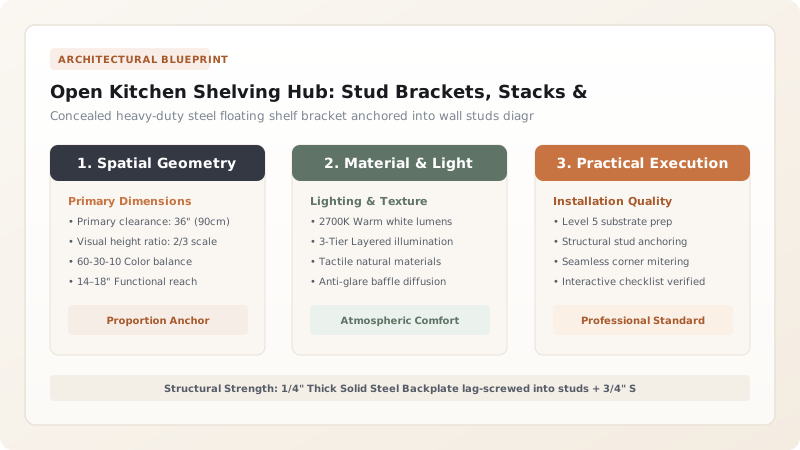
Professional installations use heavy-duty concealed steel brackets (like Sheppard Brackets or Hovr systems) featuring a solid 1/4-inch steel backplate secured to studs with 3-inch structural lag screws, supporting 3/4-inch solid steel support rods inserted into bored holes inside the shelf.

Open Kitchen Shelf Materials & Weight Ratings
Use this reference table to calculate exact physical dimensions, ratios, and specifications before purchasing:
| Hardwood Species | Janka Hardness | Max Weight per 3-Ft Shelf | Visual Character |
|---|---|---|---|
| Solid White Oak (1.75" Thick) | 1,360 (Very Durable) | 150 lbs (In studs) | Warm golden-tan, subtle grain, modern transitional standard |
| Solid American Walnut | 1,010 (Medium Hard) | 140 lbs (In studs) | Rich chocolate espresso grain, high-luxury contrast |
| Solid Hard Maple | 1,450 (Ultra Dense) | 160 lbs (In studs) | Blonde, smooth, tight grain; ideal for Scandinavian kitchens |
| Hollow Box MDF Floating Shelf | N/A (Hollow core) | 30 lbs (Sags under load) | Budget only (Avoid for heavy ceramic dinnerware) |
Cooking Oil Aerosol Grease Accumulation Constraints
Every successful decoration project must account for physical and environmental constraints:
Open Shelves Next to Stove Becoming Sticky with Grease and Dust
Cooking oils aerosolize and settle on nearby horizontal surfaces; shelves placed within 18 inches of an active gas cooktop accumulate sticky grease; maintain at least 24-30" clearance from the stove and run an 800+ CFM ducted range hood.
How to Mount Heavy-Duty Floating Kitchen Shelves
Execute this professional sequence to achieve flawless results without backtracking:
Locate All Wall Studs
Use a precision stud finder to mark centers of all 2x4 wall studs across the run.
Lag-Screw Steel Bracket Level
Level the 1/4" steel backplate and drive 3" GRK structural lag screws into every stud.
Bore 13/16" Holes in Hardwood
Drill 8-inch deep holes in the rear edge of the 2" thick hardwood shelf matching rod spacing.
Slide Shelf Onto Rods
Slide hardwood shelf over steel rods and secure underneath with set screws.
Check Level with Full Load
Place a level on shelf and adjust internal eccentric leveling screws if shelf tilts downward.
Common Mistakes & Countermeasures
Avoid these costly errors that compromise aesthetics, ergonomics, and budget:
Using Hollow Core 'IKEA-Style' Shelves for Heavy Ceramic Dinnerware
Project Execution Checklist
Track your physical progress. Checkboxes persist automatically on this device:
Frequently Asked Questions
What is the standard vertical spacing between open kitchen shelves?
Standard vertical spacing is 12 to 15 inches between shelves. The bottom shelf is typically mounted 18 inches above the countertop (matching standard upper cabinet height).


