
Natural lime wash and lime plasters prevent mold naturally through two physical mechanisms: 1) A natural high alkaline pH (12.0 to 13.0) that chemically destroys mold spores on contact, and 2) High vapor permeability (breathability) that allows trapped moisture to evaporate harmlessly without blistering.
At a Glance: Key Takeaways
- Alkaline pH 12.5: Naturally sterile environment; kills mold, bacteria, and allergens without synthetic biocides.
- Vapor Permeability (Breathability): Moisture vapor passes freely through the mineral lattice, preventing rot.
- Eliminates Trapped Condensation: Plastic latex paint traps moisture inside drywall, causing hidden black mold.
- Ideal for Historic & Masonry Walls: Restores natural moisture equilibrium to brick, stone, and basement walls.
1. Biochemistry of Mold Inhibition: The High-Alkaline Barrier
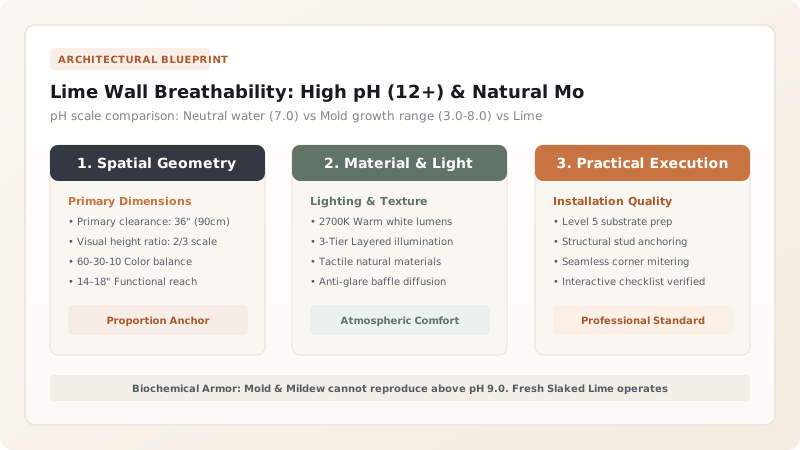
Mold fungi (*Stachybotrys*, *Aspergillus*, and *Cladosporium*) require three environmental conditions to germinate: organic food (cellulose in drywall paper), moisture, and a mildly acidic to neutral pH environment (pH 3.0 to 8.0).
Natural slaked lime (Calcium Hydroxide) is a strong base with a natural pH of 12.0 to 13.0. At this extreme alkalinity, mold spore cell walls are saponified and destroyed. Even after full carbonation into limestone, the mineral surface maintains an alkaline reserve that inhibits bacterial colonization permanently.

Wall Finishes vs Moisture & Mold Performance
Use this reference table to calculate exact physical dimensions, ratios, and specifications before purchasing:
| Wall Finish Material | pH Rating | Vapor Permeability (Perms) | Mold & Mildew Resistance |
|---|---|---|---|
| Natural Lime Wash / Plaster | pH 12.0 - 13.0 (Highly Alkaline) | High (35 - 50 Perms / Breathable) | 100% Immune (Natural mineral biocide) |
| Roman Clay / Clay Plaster | pH 8.5 - 9.5 (Alkaline) | High (25 - 40 Perms) | High (Regulates indoor humidity) |
| Standard Acrylic Latex Paint | pH 7.0 (Neutral) | Low (3 - 5 Perms / Plastic skin) | Poor (Requires chemical fungicides) |
| Oil-Based Enamel Paint | pH 6.5 (Neutral) | Zero (Impermeable vapor barrier) | Very Poor (Traps moisture & blisters) |
Latex Overcoat Breathability Destruction Constraints
Every successful decoration project must account for physical and environmental constraints:
Painting Over Breathable Lime Plaster with Latex Acrylic Paint
Coating a breathable lime wall with synthetic latex paint seals moisture behind a plastic barrier, causing the paint to blister and peel in massive sheets; strictly repaint lime surfaces only with mineral limewash or silicate paint.
How to Use Lime to Remediate Damp Basement Walls
Execute this professional sequence to achieve flawless results without backtracking:
Scrape Flaking Paint from Masonry
Strip old failing latex paint down to bare concrete or brick.
Clean Mold with Hydrogen Peroxide
Wash surface with 3% hydrogen peroxide to neutralize existing biological spores.
Mist Masonry with Clean Water
Dampen brick/concrete to facilitate hydraulic lime bonding.
Apply Heavy First Coat of Pure Slaked Lime
Brush thick slaked lime slurry (pH 12.5) directly into mortar joints and stone pores.
Apply Second Coat for Long-Term Defense
Apply second coat 24 hours later to establish permanent breathable mold immunity.
Common Mistakes & Countermeasures
Avoid these costly errors that compromise aesthetics, ergonomics, and budget:
Using Bleach to Clean Mold on Drywall Before Painting
Project Execution Checklist
Track your physical progress. Checkboxes persist automatically on this device:
Frequently Asked Questions
Is natural lime paint safe for homes with children and pets?
Yes! While wet lime in the bucket is alkaline (wear gloves during painting), once it dries and cures on the wall (reacting with ambient CO2 into calcium carbonate), it becomes 100% inert, non-toxic, and hypoallergenic natural limestone.


