
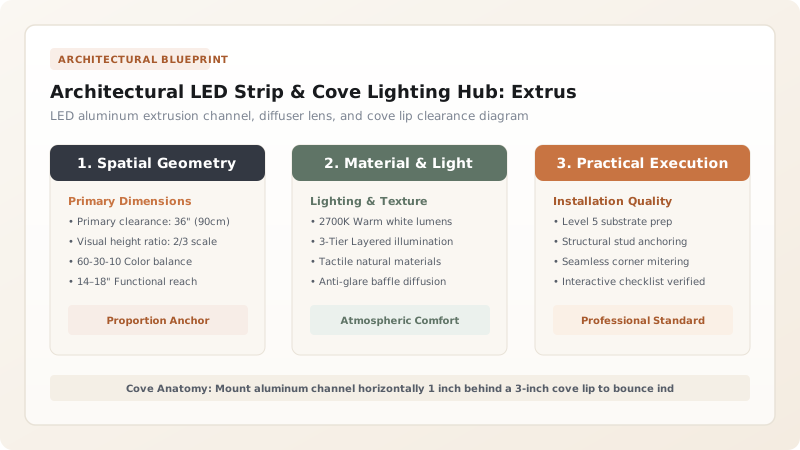
Design architectural LED strip lighting by housing 24V COB (Chip-on-Board) dotless LED strips inside aluminum extrusion channels with frosted diffusers. In ceiling coves, place the channel 1 inch behind a 3-inch lip, directing light upward at 2700K.
At a Glance: Key Takeaways
- COB Dotless Technology: Eliminates visible LED light dots through continuous phosphor coatings.
- Aluminum Channels: Acts as essential heat sinks to double LED lifespan while securing diffusers.
- Voltage Standard: Use 24V DC systems (not 12V) to prevent voltage drop and dimming along long runs.
- Color Consistency: 2700K Warm White with CRI 95+ and smooth PWM dimmable drivers.
In-Depth Guides in this Directory
Explore specialized subtopic blueprints, technical dimensions, and execution checklists:
Cove Ceiling Lighting: Drop Ceiling Trays & Halo LED Dimensions
Master indirect cove ceiling lighting: 4-6 inch drop tray dimensions, 2-3 inch lip heights, 45-degree angled channels, and shadowless halo bounces.
Under-Cabinet LED Lighting: Aluminum Channels & Counter Task Lumens
Master under-cabinet kitchen lighting: forward channel placement rules, frosted diffusers for stone counters, 3000K task lumens, and hardwired dimming.
Staircase & Baseboard LED Lighting: Step Tread Recesses & Shadowlines
Master staircase step and baseboard LED lighting: under-nosing tread channels, motion sensor triggers, recessed shadowline baseboards, and nighttime safety.
1. COB Dotless Technology vs Traditional SMD Strips
Traditional SMD (Surface Mounted Diode) LED tape produces individual bright spots of light—known as the 'hotspot dotting' effect. When reflected off polished stone countertops or glossy ceilings, these dots look amateurish.
Architectural installations require COB (Chip-on-Board) LED strips, which mount hundreds of micro-LEDs beneath a continuous yellow phosphor layer. When paired with a frosted aluminum extrusion diffuser, the output is a continuous, perfectly seamless neon-like ribbon of light.

Architectural LED Strip Specification Guide
Use this reference table to calculate exact physical dimensions, ratios, and specifications before purchasing:
| Application Zone | Recommended LED Type | Channel Extrusion Style | Optimal Lumens/Foot |
|---|---|---|---|
| Ceiling Cove Halo Trays | 24V COB 2700K High Output | Deep 45° angled aluminum channel | 300 - 450 lm/ft |
| Kitchen Under-Cabinet Task | 24V COB 3000K High Density | Shallow recessed / surface channel | 250 - 350 lm/ft |
| Staircase Step Underglow | 24V IP65 Waterproof COB | Flush-mount recessed floor channel | 100 - 180 lm/ft |
| Floating Vanity Underglow | 24V IP67 Silicone encased | Downward-facing channel | 120 - 200 lm/ft |
Voltage Drop & Heat Constraints
Every successful decoration project must account for physical and environmental constraints:
Voltage Drop Dimming on Runs > 16 Feet
12V LED strips lose voltage over long distances, causing the far end of the cove to appear noticeably dimmer and pinker; always install 24V systems and feed power from both ends for runs over 20 feet.
How to Install an Aluminum Extrusion Channel
Execute this professional sequence to achieve flawless results without backtracking:
Cut Aluminum Channel
Cut aluminum track to length using a fine-tooth hacksaw or miter saw.
Screw into Cove Base
Mount track securely with countersunk screws every 18 inches.
Adhere 24V COB Strip
Peel 3M VHB thermal adhesive backing and press strip firmly into track.
Snap Frosted Diffuser Lens
Press frosted acrylic diffuser cover into the track until it clicks flush.
Common Mistakes & Countermeasures
Avoid these costly errors that compromise aesthetics, ergonomics, and budget:
Sticking Bare LED Tape Directly to Raw Wood or Drywall
Project Execution Checklist
Track your physical progress. Checkboxes persist automatically on this device:
Frequently Asked Questions
Why is 24V better than 12V for architectural LED strip lights?
24V systems carry electric current with half the amperage of 12V systems, allowing you to run runs twice as long (up to 32 feet) without experiencing visible voltage drop or dimming at the far end.


