
Calculate banquette seating ergonomics with a 105-degree backrest pitch (angled 2.5 to 3 inches backward at the top), a net seat depth of 18 to 20 inches, and a 3-inch thick 2.5-lb high-density foam cushion with a 1-inch Dacron wrap.
At a Glance: Key Takeaways
- 105° Backrest Pitch: Tilt the backrest uprights backward by 15 degrees off vertical.
- 19" Net Seat Depth: 19 inches provides optimal thigh support while leaving space behind the popliteal knee fold.
- 2.5-lb High-Density Foam: Firm enough to support dining posture without collapsing down to the plywood.
- 3" Recessed Toe-Kick: Essential 3-inch bottom recess allows heels to move back when standing up from the bench.
1. Spinal Ergonomics: Lumbar Support & The 15-Degree Angle
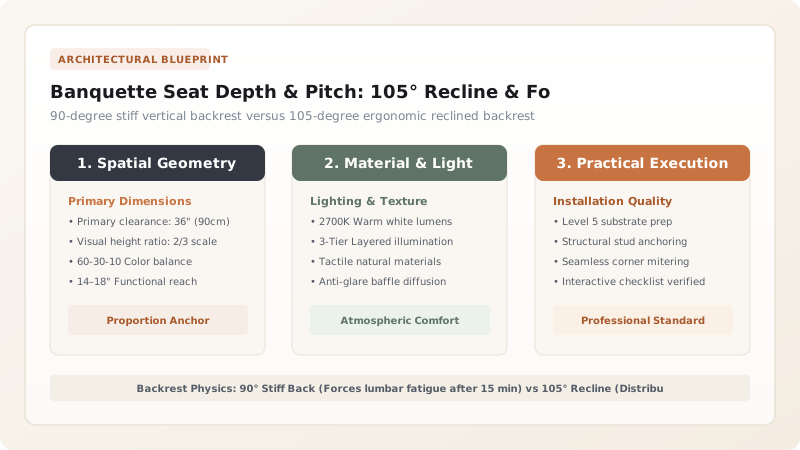
When dining, humans sit in a semi-active posture (leaning forward to eat, then leaning back to converse). A flat 90-degree vertical backrest provides zero support to the natural lordotic curve of the lumbar spine, causing diners to slump forward.
Cutting the vertical backrest framing with a 15-degree backward miter (creating a 105-degree interior angle) transfers 30% of upper body weight onto the back cushion, providing luxurious comfort that encourages hours of dinner party conversation.

Banquette Cushion Foam Density & Performance
Use this reference table to calculate exact physical dimensions, ratios, and specifications before purchasing:
| Foam Grade / Density | ILD Firmness Rating | Lifespan Expectancy | Best Application |
|---|---|---|---|
| 2.5-lb High-Density (Commercial) | 35 - 40 ILD (Firm dining) | 10 - 15 Years (Zero sagging) | Primary dining banquettes, heavy family use |
| 1.8-lb Standard Polyfoam | 30 ILD (Medium) | 3 - 5 Years (Dents over time) | Budget DIY banquettes, light guest rooms |
| High-Resilience (HR) Foam | 35 ILD (Springy) | 15+ Years (Fast recovery) | Luxury custom residential banquettes |
| Memory Foam / Gel | 15 ILD (Too soft) | Sinks to plywood bottom | AVOID for dining (Causes poor eating posture) |
Flat Plywood Toe-Kick Heel Trapping Constraints
Every successful decoration project must account for physical and environmental constraints:
Diners Struggling to Stand Up from Banquette Without Toe-Kick
Framing a banquette flat down to the floor without a toe-kick prevents feet from tucking under the body when standing, forcing diners to push awkwardly off the table; strictly frame a 3-inch deep × 4-inch high recessed toe-kick.
How to Frame the 105-Degree Backrest Pitch
Execute this professional sequence to achieve flawless results without backtracking:
Cut 2x4 Uprights with 15° Top Miter
Miter the base of 2x4 vertical studs at 15 degrees on your miter saw.
Fasten to Base and Wall Studs
Anchor the angled studs to the 15" high base box and tie the top into wall studs.
Sheath in 1/2" Plywood
Cover angled studs in 1/2" birch plywood to create a solid mounting back.
Upholster with 2" Back Foam
Spray adhesive to attach 2-inch medium-firm foam to backrest and staple upholstery fabric.
Common Mistakes & Countermeasures
Avoid these costly errors that compromise aesthetics, ergonomics, and budget:
Making the Seat Depth Deeper Than 21 Inches
Project Execution Checklist
Track your physical progress. Checkboxes persist automatically on this device:
Frequently Asked Questions
What upholstery fabric is best for dining banquettes?
High-performance stain-resistant fabrics like Crypton, Sunbrella Indoor, or commercial-grade faux leather (polyurethane vinyl) allow red wine, spaghetti sauce, and grease to wipe off completely with a damp cloth.


