
Choose Heavy Belgian Linen (280-350 GSM) for living rooms, kitchens, and sunrooms where you want relaxed, organic, light-filtering warmth. Choose Cotton Velvet (380-450 GSM) for bedrooms, dining rooms, and media rooms for maximum acoustic dampening and thermal draft blocking.
At a Glance: Key Takeaways
- Belgian Linen: Organic slub texture, relaxed drape, diffuses natural light with soft glow, breathable.
- Cotton Velvet: 400+ GSM heavyweight pile, rich light-absorbing depth, 65% acoustic sound absorption.
- Lining Rule: Linen MUST be lined with cotton to prevent sun dry-rot; Velvet requires heavy satin lining.
- Seasonal Mood: Linen brings airy summer breeziness; Velvet delivers cozy winter insulation.
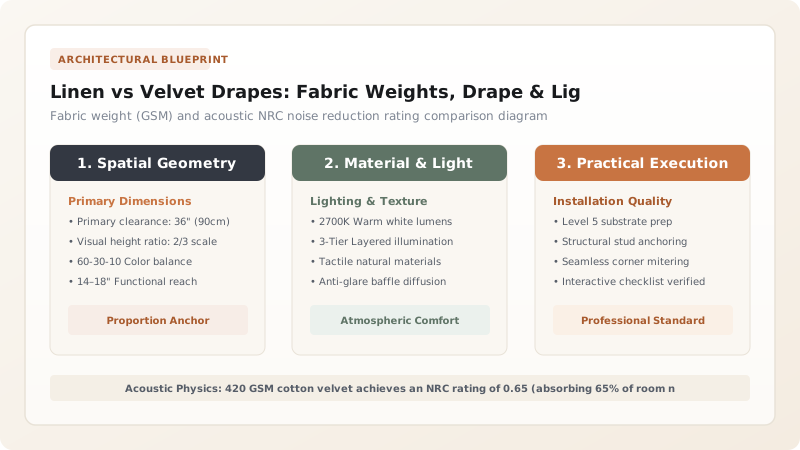
1. Material Weights, Light Filtration & Acoustic Performance
The choice between linen and velvet is the ultimate architectural contrast in window treatment design. Both are natural fiber classics, but they operate with opposite physical properties:
- Belgian Flax Linen (280–350 GSM): Features natural irregular 'slubs' in the spun yarn. Linen gently filters daylight, casting a luminous, warm organic glow across white walls while softening room acoustics.
- Cotton / Mohair Velvet (380–450 GSM): Dense, upright cut-pile fibers absorb incoming sound waves and light reflections completely, acting as a powerful thermal insulator against winter drafty glass.

Belgian Linen vs Cotton Velvet Drapery Comparison
Use this reference table to calculate exact physical dimensions, ratios, and specifications before purchasing:
| Performance Attribute | Belgian Linen (300 GSM) | Cotton Velvet (420 GSM) | Ideal Room Setting |
|---|---|---|---|
| Light Filtration | Soft, organic glow (Light-filtering) | 100% Opaque (Total light block) | Linen: Living / Velvet: Bedroom |
| Acoustic Noise Absorption | Low / Moderate (NRC 0.25) | Extremely High (NRC 0.65) | Velvet (Noisy street bedrooms) |
| Thermal Draft Insulation | Moderate (With privacy lining) | Very High (Dense cold barrier) | Velvet (Drafty winter windows) |
| Visual Mood | Organic, relaxed, airy, coastal | Moody, formal, opulent, dramatic | Linen: Casual / Velvet: Formal |
Sun UV Linen Fiber Dry-Rot Constraints
Every successful decoration project must account for physical and environmental constraints:
Unlined Linen Curtains Shredding from Sun Rot
Direct sunlight destroys raw linen cellulose fibers within 3 years; unlined linen will literally shred when pulled; always sew a 100% cotton sateen lining to the back of linen drapes to block UV radiation.
How to Choose Between Linen and Velvet
Execute this professional sequence to achieve flawless results without backtracking:
Assess Room Sunlight
If room needs daytime light diffusion, choose 100% Belgian flax linen.
Assess Noise and Drafts
If bedroom faces a noisy street or cold winds, choose 400 GSM cotton velvet.
Check Floor Length Break
Pair linen with a 1/2" hover; pair velvet with a 1" gentle break onto the floor.
Specify Quality Linings
Add cotton sateen lining to linen; add thermal flannel interlining to velvet.
Common Mistakes & Countermeasures
Avoid these costly errors that compromise aesthetics, ergonomics, and budget:
Using Cheap Polyester 'Crushed Velvet' with Shiny Plastic Sheen
Project Execution Checklist
Track your physical progress. Checkboxes persist automatically on this device:
Frequently Asked Questions
Can you steam velvet curtains to remove packing creases?
Never touch a hot iron directly to the front face of velvet (which permanently crushes the pile). Steam only from the backside of the curtain lining, brushing the front pile gently upward with a soft velvet brush.


