
Calculate custom curtain fullness by multiplying the total window track or rod width by 2.0x (for standard tailored drapes) or 2.5x (for luxury custom drapery). Use medium-weight Belgian linen (250-320 GSM) or rich velvet (380-450 GSM) with flannel interlining.
At a Glance: Key Takeaways
- Fullness Formula: Total Rod Width × 2.0 to 2.5 = Total Fabric Panel Width needed.
- Avoid 1.5x Fullness: 1.5x fullness looks like a pulled flat bedsheet when drawn shut.
- Fabric Weights: Heavy Belgian Linen (280 GSM) vs Crushed Cotton Velvet (400 GSM) vs Sheer Voile (90 GSM).
- Floor Break Styles: 1/2" Hover (Clean & modern) vs 1" Gentle Break (Soft classic) vs 3" Puddle (Formal historic).
In-Depth Guides in this Directory
Explore specialized subtopic blueprints, technical dimensions, and execution checklists:
Calculating Curtain Fabric Fullness: Yardage & Width Math
Master curtain fabric yardage math: width-cut calculations for 54-inch bolts, pattern repeat drop math, double 4-inch weighted hems, and fullness formulas.
Linen vs Velvet Drapes: Fabric Weights, Drape & Light Filtration
Compare Linen vs Velvet drapery fabrics: 280 GSM Belgian flax vs 420 GSM cotton velvet, acoustic sound absorption, thermal draft insulation, and puddle behavior.
Curtain Interlining & Thermal Blackout: The 3-Layer Luxury Sandwich
Master drapery interlining: the 3-layer sandwich (Face fabric + Cotton flannel fleece + Blackout lining), R-value thermal insulation, and custom workroom techniques.
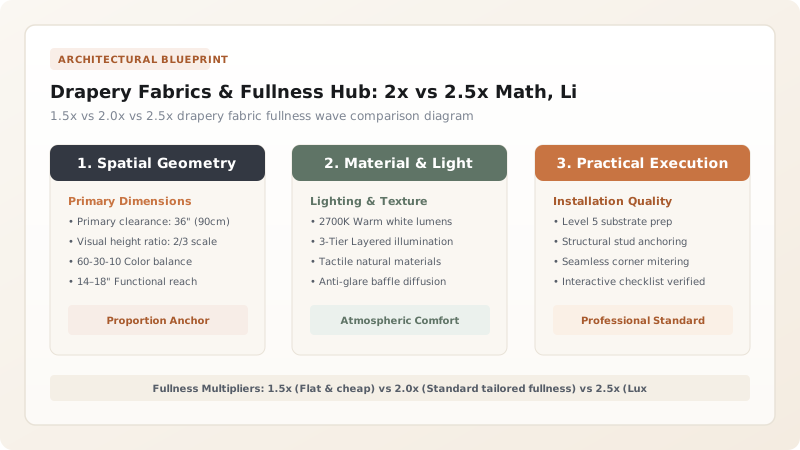
1. The Mathematics of Drapery Fullness Ratios
The single greatest difference between cheap store-bought curtains and $5,000 custom designer drapery is fabric fullness. Store-bought panels are sold in skimpy 50-inch widths that stretch flat and taut when closed, looking like a shower curtain.
Custom drapery specifies 2.0x (200%) to 2.5x (250%) fullness: for an 80-inch wide window rod, you specify 160 to 200 inches of combined fabric width, guaranteeing deep, luxurious, shadow-filled ripples even when curtains are fully closed.

Drapery Fabric Weight & Fullness Guidelines
Use this reference table to calculate exact physical dimensions, ratios, and specifications before purchasing:
| Fabric Type | Fabric Weight (GSM) | Recommended Fullness | Best Room Setting |
|---|---|---|---|
| Belgian Heavy Linen | 280 - 350 GSM | 2.0x - 2.2x Fullness | Living rooms, dining rooms, primary bedrooms |
| Cotton / Silk Velvet | 380 - 450 GSM | 2.2x - 2.5x Fullness | Formal dining rooms, home theaters, cold bedrooms |
| Wool Flannel / Tweed | 320 - 400 GSM | 2.0x Fullness | Libraries, masculine dens, mountain modern homes |
| Sheer Linen / Voile | 80 - 120 GSM | 2.5x - 3.0x Fullness | Sunrooms, layered under blackout curtains |
Stackback Width Clearance Constraints
Every successful decoration project must account for physical and environmental constraints:
Drapes Covering Half the Window Glass When Open
Heavy 2.5x drapes stack tightly into 1/3 of their total width (Stackback); if the rod ends at the window casing, open drapes block 30% of window light; extend the rod 10 to 14 inches past the casing on each side so open panels rest on drywall.
How to Calculate Drapery Fabric Yardage
Execute this professional sequence to achieve flawless results without backtracking:
Measure Total Rod Width
Measure total rod length including wall extensions (e.g. 96 inches).
Multiply by 2.2 Fullness
Calculate total flat fabric width: 96" × 2.2 = 211 inches.
Divide Across 2 Panels
Each side panel requires approximately 105 inches of flat fabric (approx. two 54" fabric widths sewn together).
Add Hem Allowances
Add 8 inches for double 4" bottom hem + 4 inches for top buckram header.
Common Mistakes & Countermeasures
Avoid these costly errors that compromise aesthetics, ergonomics, and budget:
Buying Two 50-Inch Panels for an 80-Inch Window
Project Execution Checklist
Track your physical progress. Checkboxes persist automatically on this device:
Frequently Asked Questions
Should curtains touch the floor, hover, or puddle?
The modern designer standard is the 'Hover' (1/2 inch above floor for clean gliding) or the 'Gentle Break' (fabric just kisses the floor with 1/2" to 1" break). True puddling (3-4" on floor) is high-maintenance and catches dust.


