
Craft bespoke pleated lampshades by hand-binding a heavy steel wire frame with 1/2-inch cotton twill tape. Pleat lightweight silk (such as Habotai silk or silk chiffon) using a 3x fabric ratio (3 inches of fabric per 1 inch of bottom frame circumference), hand-stitch to the bound frame, and finish with 1/2-inch bias-cut self-trim.
At a Glance: Key Takeaways
- 3x Fabric Pleating Ratio: Gathers 3 times the frame circumference to create rich, uniform light diffusion.
- Cotton Twill Wire Binding: Wrapping bare wire struts in cotton tape provides a sewable foundation for hand-stitching.
- Spider vs Uno Frame Fittings: Spider fitters mount on traditional harps; Uno fitters thread directly onto socket collars.
- Bias-Cut Self-Trim Binding: 1/2-inch bias strips fold over top and bottom rings to cleanly conceal raw pleat stitches.
- White Habotai Silk Lining: Reflects light efficiently through the shade while shielding hot bulb glare from human eyes.
In-Depth Guides in this Directory
Explore specialized subtopic blueprints, technical dimensions, and execution checklists:
Knife vs Box Pleat Math: 3x Ratios & Empire Cones
Master bespoke lampshade pleating geometry: Knife pleat vs Box pleat fabric consumption ratios (3x vs 3.5x), Empire tapered cone angle math, and pin alignment.
Lampshade Wire Frames: Spider, Uno & Harp Drops
Master lampshade structural wire frames: Spider fitters (1/2" drop harps), Uno threaded socket rings, European clip-on adapters, and heavy-gauge epoxy wire frame anatomy.
Lampshade Bias Trim: 1/2" Self-Binding & Hand-Rolling
Master bespoke lampshade trim finishing: true 45-degree bias-cut self-trim ribbons, hand-rolled edges, fabric glue lamination, and concealing raw wire stitches.
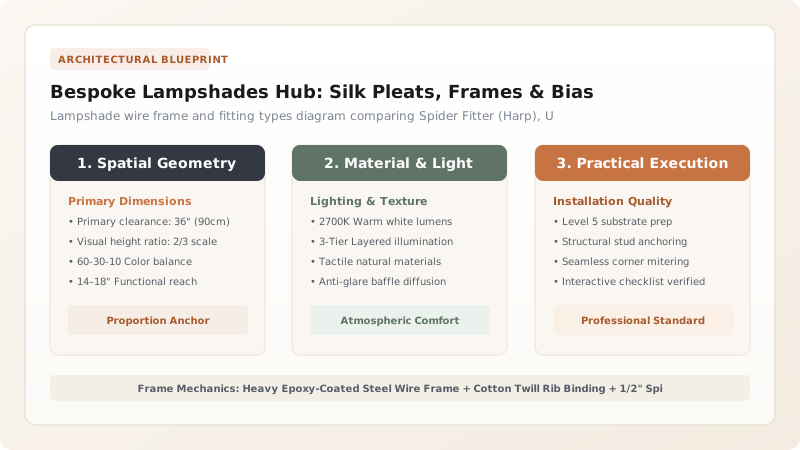
1. Couture Craftsmanship: Soft-Lined Silk vs Cheap Glued Paper
Modern mass-produced lampshades are made of cheap paper or synthetic polyester glued to thin styrene plastic backing. Over 2 to 3 years, bulb heat yellows the plastic, crystallizes the glue, and causes the shade to crack and crumble into brittle pieces.
Traditional Bespoke Soft Shades are hand-tailored like couture evening gowns. The heavy steel wire frame is hand-bound with cotton twill tape. Pure natural Habotai silk or linen is stretched and pleated across the frame by hand, secured with invisible hand-stitching that lasts for generations.

Lampshade Pleating Styles & Fabric Requirements
Use this reference table to calculate exact physical dimensions, ratios, and specifications before purchasing:
| Pleating Style | Fabric Consumption Ratio | Hand-Stitching Complexity | Light Diffusion Quality |
|---|---|---|---|
| Knife Pleat (Uniform Direction) | 3.0x Frame Circumference | High (Requires pin alignment) | Crisp geometric shadow lines |
| Box Pleat (Alternating Fold) | 3.5x Frame Circumference | Very High (Precision centering) | Tailored formal architectural look |
| Gathered Soft Flute (Shirred) | 2.5x - 3.0x Circumference | Moderate (Fluid gathers) | Romantic, soft diffused glow |
| Hardback Glued Styrene (Budget) | 1.0x (Flat sheet) | Low (Glue applied) | FAILS: Brittle & discolors with age |
High-Wattage Bulb Scorching Constraints
Every successful decoration project must account for physical and environmental constraints:
Incandescent Bulb Heat Scorching Silk Lampshade Lining
Old 100W incandescent bulbs reach 250°F, scorching delicate silk linings; strictly specify low-heat warm 2700K LED filament bulbs (consuming only 8W to 12W) which emit virtually zero heat, protecting silk fibers.
How to Craft a Bespoke Pleated Silk Lampshade
Execute this professional sequence to achieve flawless results without backtracking:
Bind Wire Frame with Cotton Twill Tape
Spiral-wrap all top, bottom, and vertical wire struts tightly with 1/2" cotton twill tape, stitching ends closed.
Sew White Silk Lining
Stretch and pin white Habotai silk lining inside the frame, hand-stitching tight along top and bottom rings.
Calculate 3x Pleating Fabric Yardage
Multiply bottom wire ring circumference by 3; seam lightweight silk panels together to create continuous strip.
Form Knife Pleats with Upholstery Pins
Pin uniform 1/2" knife pleats around top and bottom rings, keeping pleat lines perfectly vertical.
Hand-Stitch Pleats with Back-Stitch
Hand-sew pleats to bound wire rings using heavy silk thread and curved needle.
Apply Bias-Cut Self-Trim Binding
Fold 1/2" bias-cut silk ribbon over top and bottom wire rings, gluing or blind-stitching over raw thread.
Common Mistakes & Countermeasures
Avoid these costly errors that compromise aesthetics, ergonomics, and budget:
Pleating Fabric on Bare Un-Bound Steel Wire
Project Execution Checklist
Track your physical progress. Checkboxes persist automatically on this device:
Frequently Asked Questions
What is the best silk fabric for handcrafted pleated lampshades?
100% Habotai Silk (8mm to 10mm weight) or Silk Chiffon is the gold standard. Habotai silk is lightweight, drapes effortlessly into crisp pleats, and diffuses light into a luminous, warm amber glow.


