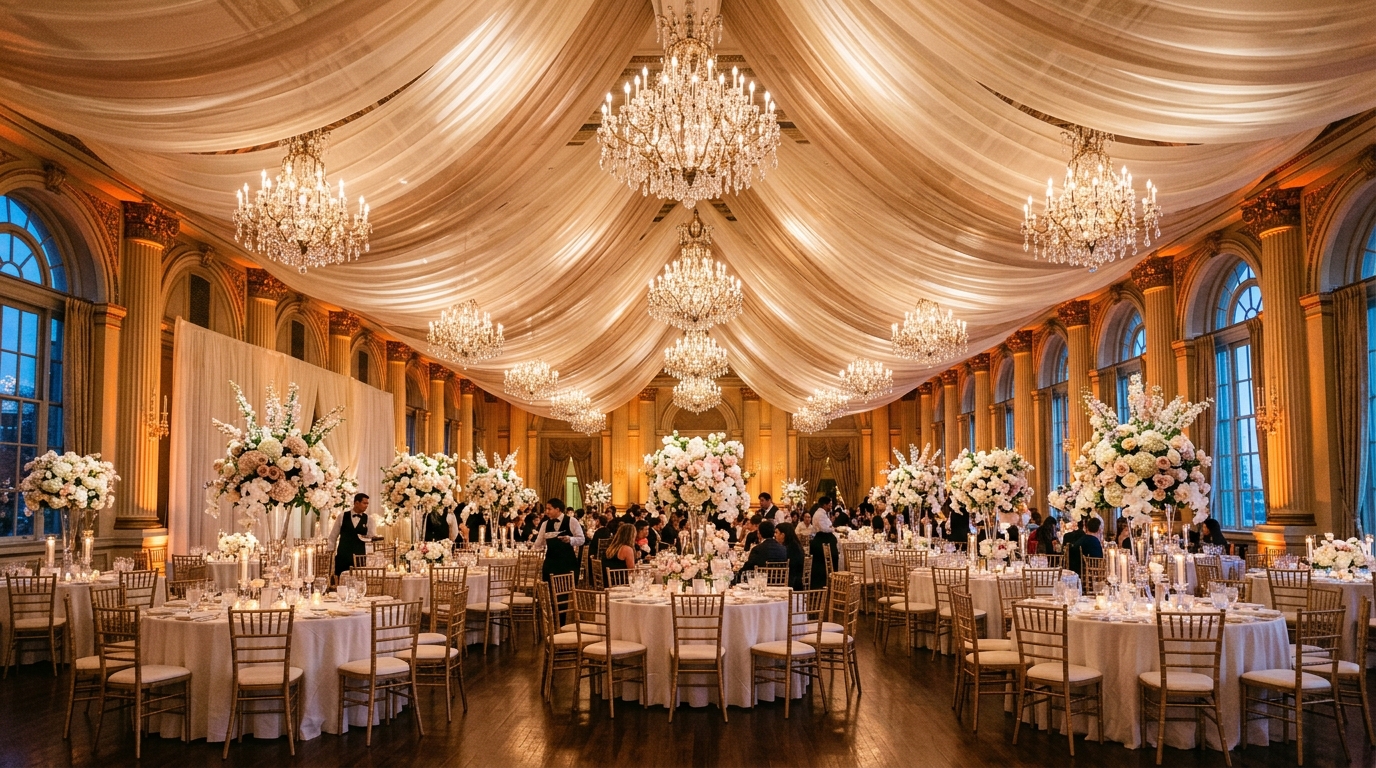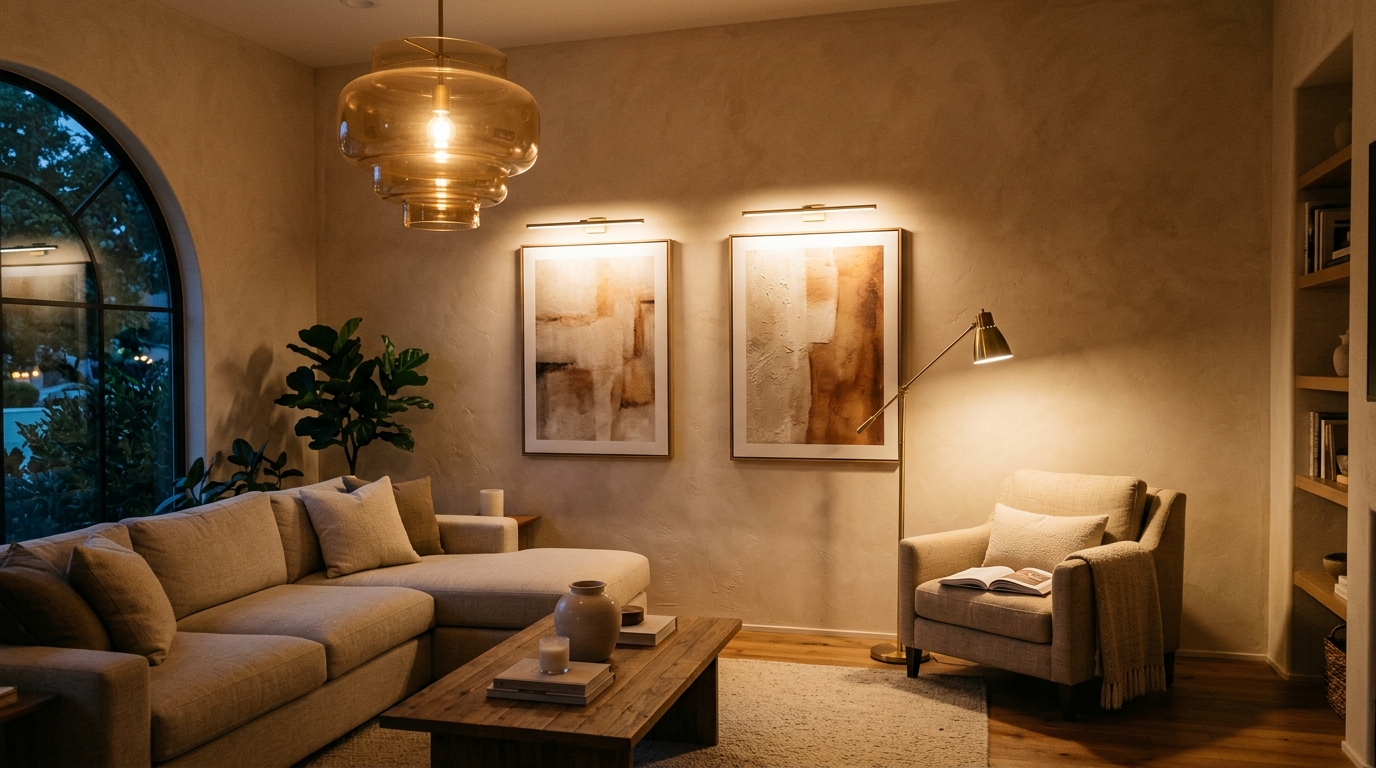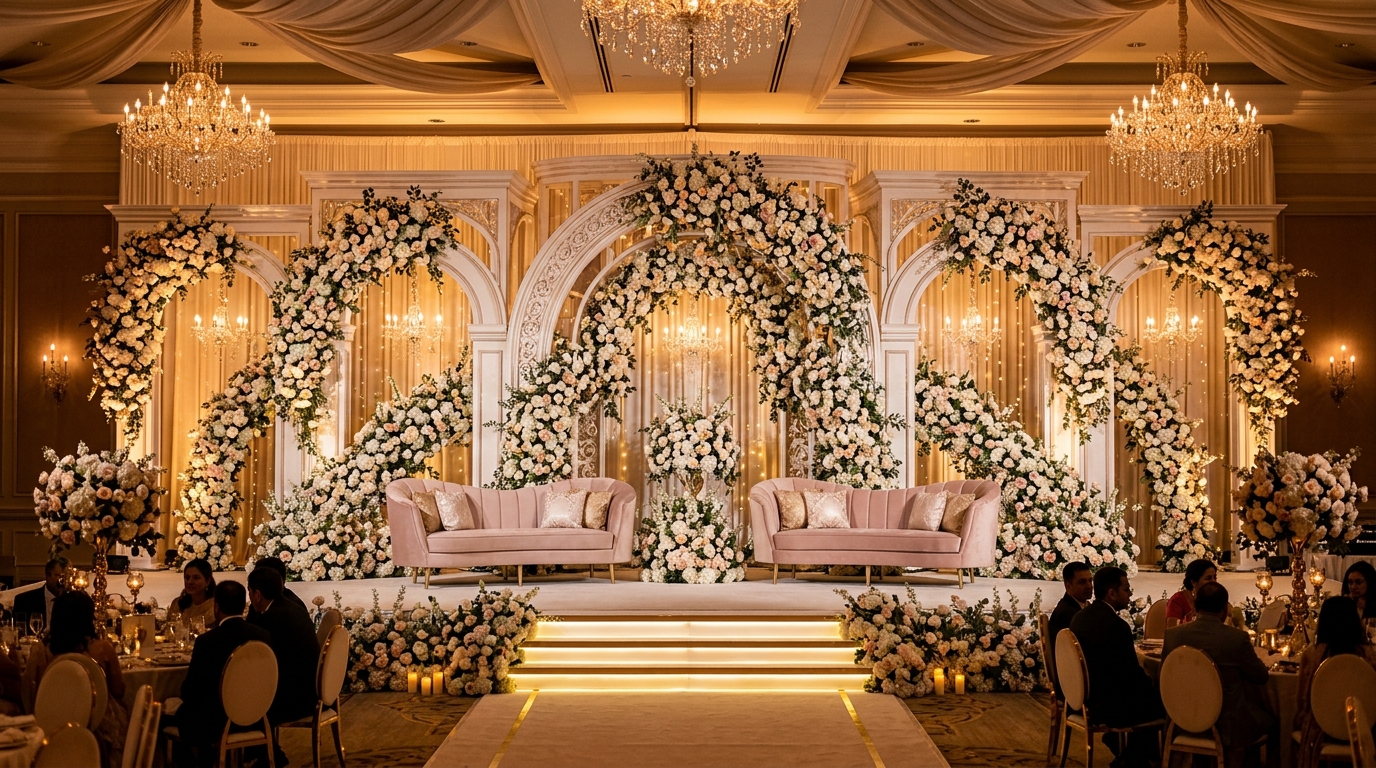
To light a wedding stage properly, mount two dimmable 2700K–3000K LED profile pin-spots at 45-degree angles from the front truss to illuminate the couple's faces without glare. Wash the rear backdrop with soft LED uplighting at 20–30% lower intensity than the key lights, and avoid top-down vertical downlights that cast unflattering raccoon-eye shadows.
At a Glance: Key Takeaways
- Key lights must be positioned 45 degrees horizontally and 45 degrees vertically relative to the couple.
- Use only high Color Rendering Index (CRI > 92) LED fixtures to ensure natural skin tones on camera.
- Set backdrop lighting 20–30% dimmer than stage key lights so the couple pops from the background.
- Never use 5000K daylight or harsh RGB colored lights directly on the bride and groom.
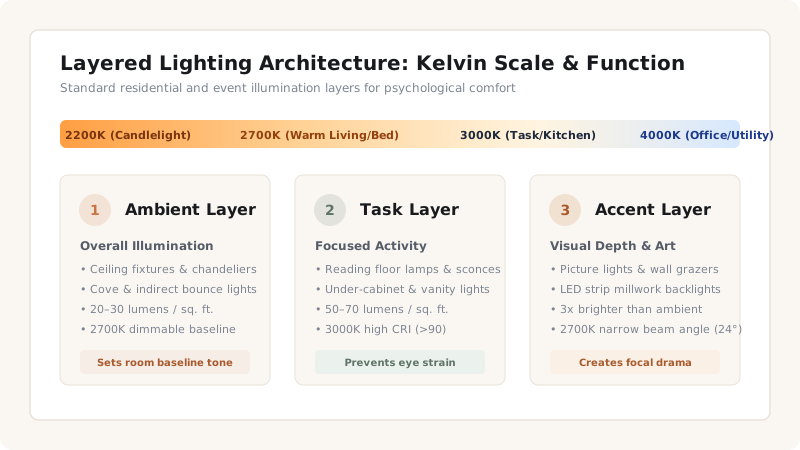
1. The 45-Degree 3-Point Lighting Geometry
Wedding stage lighting is fundamentally portrait photography lighting scaled to an architectural stage. Improper lighting creates dark eye sockets, shiny forehead glare, or washed-out bridal gowns.
The standard 3-point wedding stage lighting geometry:
- Key Light (45° Left or Right, 45° Elevation): The primary light source focused on the couple's faces at 2700K–3000K.
- Fill Light (Opposite 45° Angle): Set at 50% intensity of the key light to gently soften shadows on the opposite side of the face.
- Backdrop Wash & Rim Light: Wide-beam LED flood washes illuminating floral textures behind the couple, creating visual separation and cinematic depth.
Wedding Stage Lighting Fixture Matrix
Use this reference table to calculate exact physical dimensions, ratios, and specifications before purchasing:
| Lighting Fixture | Beam Angle | Color Temp / CRI | Placement Distance | Function |
|---|---|---|---|---|
| Profile Leko Spot (Warm White) | 19°–36° Narrow | 2700K–3000K (CRI >95) | 15–25 ft from stage | Sharp facial key light |
| Fresnel Soft Spot | 40°–60° Soft wash | 3000K (CRI >92) | 12–20 ft from stage | Gentle full-body fill light |
| Linear LED Backdrop Wash | 120° Wide flood | 2400K–3000K Dimmable | 2–3 ft from backdrop base | Dramatic upward drape glow |
| Mini Pin-Spots | 6°–10° Pencil beam | 2700K Warm White | Mount to truss | Highlights cake & floral details |
Stage Lighting Constraints
Every successful decoration project must account for physical and environmental constraints:
Camera Sensor Flickering
Cheap LED fixtures modulate frequency causing horizontal banding lines on 4K video. Only use flicker-free broadcast-grade LED fixtures with PWM frequency > 12kHz.
Power Circuit Overloading
Avoid daisy-chaining more than 8 high-output LED fixtures on a single 15A venue circuit breaker; distribute across separate phases.
Heat Near Fresh Florals
Keep high-power LED beams at least 4 feet away from fresh roses to prevent premature wilting.
How to Program Wedding Stage Illumination
Execute this professional sequence to achieve flawless results without backtracking:
Mount Front Truss 15–20 Ft Out
Position the front lighting bar at 45-degree elevation relative to the center of the stage platform.
Focus Key and Fill Profile Spots
Aim left and right profile spots at the couple's standing and seated marks; adjust shutters to frame stage couch.
Set Backdrop Uplight Base Strips
Place linear LED wash bars along the rear stage floor pointing upward into the drapery pleats.
Calibrate Color Temp to 2700K–3000K
Match all fixtures to a uniform warm Kelvin rating with zero green or magenta tint.
Perform Camera Test with Photographer
Review live exposures on the wedding photographer's camera to verify balanced skin tones.
Common Mistakes & Countermeasures
Avoid these costly errors that compromise aesthetics, ergonomics, and budget:
Placing Downlights Directly Overhead
Project Execution Checklist
Track your physical progress. Checkboxes persist automatically on this device:
Frequently Asked Questions
Why shouldn't colored RGB lights be used on the couple?
Purple, blue, or green lights distort skin tones and make white bridal dresses appear discolored on camera, which is impossible for photographers to fix in post-production. Use pure 2700K warm white on faces, reserving colors for venue perimeter walls.
How many pin-spots are needed for a wedding stage?
A standard 16x12 ft stage requires 2 profile key lights for the couple, 1 fill light, and 2 pin-spots for flanking floral arrangements.