
Achieve 100% room darkening with Roman shades by specifying a 3-pass thermal blackout lining. Pair with outside mounting (extending 3 inches past window trim on all sides) or install magnetic aluminum side light-blocking channels inside the casing.
At a Glance: Key Takeaways
- 3-Pass Lining: White foam/black core/white finish layers block 100% of pinhole light rays.
- Thermal Insulation: Reduces winter window draft heat loss by 25% and blocks summer radiant heat.
- Side Light Blockers: Adhesive L-shaped plastic channels inside casing eliminate edge light halo.
- Needle Hole Sealing: Quality custom workrooms seal stitch seams with thermal bonding tape.
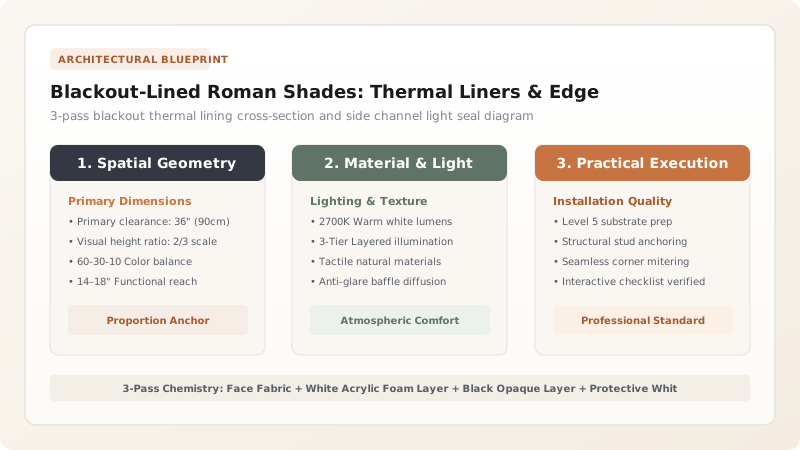
1. The Chemistry of 3-Pass Blackout Linings
Standard 'dimout' linings only block 75% to 85% of daylight, leaving dark room-darkening fabrics glowing with dull yellow light. True 3-pass blackout lining consists of a poly-cotton base cloth coated with three microscopic layers:
- Pass 1 (White Acrylic Foam): Seals the fabric weave.
- Pass 2 (Black Carbon Opaque Layer): Absorbs 100% of photon light transmission.
- Pass 3 (Decorative White Finish Layer): Provides a clean white exterior street-facing view.

Window Shade Lining Performance Matrix
Use this reference table to calculate exact physical dimensions, ratios, and specifications before purchasing:
| Lining Type | Light Block % | Thermal Insulation (R-Value) | Best Application |
|---|---|---|---|
| 3-Pass Thermal Blackout | 100% Total Darkness | R-3.5 (High heat/draft block) | Bedrooms, nurseries, media rooms |
| Standard Cotton Privacy | 70% - 80% (Soft glow) | R-1.2 (Moderate) | Living rooms, dining rooms, home offices |
| Flannel Interlining + Blackout | 100% Darkness + Acoustic | R-4.8 (Maximum warmth) | Cold historic homes, noisy street bedrooms |
| Unlined Sheer Linen | 20% - 30% (Light filter) | R-0.5 (Minimal) | Sunrooms, breakfast nooks, kitchens |
Needle Pinhole Light Bleed Constraints
Every successful decoration project must account for physical and environmental constraints:
Light Leaking Through Needle Stitch Holes
Sewing sewing machine needles pierce the blackout membrane, creating tiny glowing pinholes of light across every seam; ensure custom shades use ultrasonically bonded seams or silicone seam sealant.
How to Install Zero-Gap Blackout Roman Shades
Execute this professional sequence to achieve flawless results without backtracking:
Mount Shade Outside Frame
Mount 4 inches above trim with 3-inch overlap on left and right walls.
Install Bottom Magnetic Catch
Place tiny neodymium magnets on sill to lock bottom hem tight against trim.
Check Daybreak Light Leaks
Close shade at noon and verify zero light glowing around perimeter.
Add Top Valance Return
Install side fabric returns on headrail to block light escaping over the top.
Common Mistakes & Countermeasures
Avoid these costly errors that compromise aesthetics, ergonomics, and budget:
Installing Inside Mount Blackout Shades in a Nursery
Project Execution Checklist
Track your physical progress. Checkboxes persist automatically on this device:
Frequently Asked Questions
Does blackout lining make Roman shades too stiff or heavy?
3-pass lining adds slight weight, which actually helps Flat Roman shades hang flatter and pleat more crisply. For Relaxed shades, use lightweight bonded micro-blackout.


