
Decorate with rattan and cane by balancing woven textures against sleek painted walls and solid timber furniture. Maintain natural rattan by misting with water every few months to prevent brittleness, and keep away from direct heating vents.
At a Glance: Key Takeaways
- Material Distinction: Rattan is the solid inner pole; Cane is the outer peeled skin woven into mesh.
- Viennese Weave: The classic 6-way octagonal open pattern provides breathable cabinet fronts.
- Humidity Requirement: Natural cane requires 40-60% relative humidity to avoid drying out and snapping.
- Aesthetic Pairing: Complements Japandi, Scandinavian, Coastal, and Bohemian interior styles.
In-Depth Guides in this Directory
Explore specialized subtopic blueprints, technical dimensions, and execution checklists:
Cane Webbing Furniture: Sideboards, Headboards & DIY Cabinet Doors
Master cane webbing furniture: soaking techniques for drum-tight installs, router spline grooves, pneumatic stapling, and modern fluted credenzas.
Wicker Basket Storage: Cube Shelves, Under-Bed Bins & Planter Styling
Master woven wicker basket storage: sizing bins for cube shelving, under-bed lidded storage, plant pot covers, and fiber material selection (Jute, Seagrass, Rattan).
Rattan Furniture Care: Hydration, Mold Prevention & Re-Weaving
Master natural rattan furniture care: preventing winter brittleness, cleaning mildew with tea tree oil, tightening loose joints, and linseed oil conditioning.
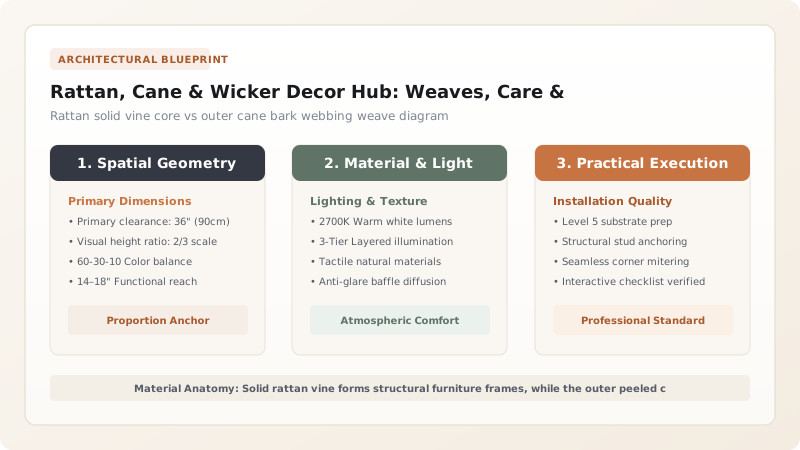
1. Material Science: Rattan Poles vs Woven Cane Mesh
While often used interchangeably, rattan, cane, and wicker refer to distinctly different materials and manufacturing processes:
- Rattan: A solid climbing vine native to Southeast Asian rainforests. When steamed, rattan poles bend into curved structural chair frames and headboards.
- Cane: The pliable outer bark peeled from the rattan vine. It is sliced into thin ribbons and woven into open hexagonal mesh (Viennese cane).
- Wicker: An ancient weaving technique—not a material—that weaves willow, reed, synthetic resin, or paper fiber around a frame.

Natural Fiber Furniture Comparison Guide
Use this reference table to calculate exact physical dimensions, ratios, and specifications before purchasing:
| Fiber Material | Structural Role | Flexibility / Give | Ideal Application |
|---|---|---|---|
| Solid Rattan Vine | Load-bearing frame | Rigid when cooled | Accent chairs, headboards, barstools |
| Octagonal Cane Webbing | Breathable panel insert | High elasticity | Sideboard cabinet doors, chair seats |
| Woven Seagrass / Jute | Decorative storage shell | Pliable & soft | Floor storage baskets, plant baskets |
| Synthetic Poly Rattan | All-weather frame wrap | Impervious to rain | Outdoor patio and garden furniture |
Winter Heating Dryness Constraints
Every successful decoration project must account for physical and environmental constraints:
Cane Snapping in Dry Heated Homes
Forced-air winter heating drops indoor humidity below 25%, causing cane webbing to become brittle and snap; mist cane chair seats with water or run a room humidifier.
How to Care for Natural Cane & Rattan
Execute this professional sequence to achieve flawless results without backtracking:
Dust with Soft Paintbrush
Use a 2-inch clean paintbrush to dislodge dust from woven grooves.
Mist with Water Spray
Lightly mist the underside of cane webbing with distilled water every 3 months.
Clean with Mild Soap
Wipe surface with mild castile soap and water, avoiding soaking the wood frame.
Dry in Shaded Air
Allow cane to dry naturally away from direct hot radiators or intense sun.
Common Mistakes & Countermeasures
Avoid these costly errors that compromise aesthetics, ergonomics, and budget:
Kneeling Directly on a Cane Chair Seat
Project Execution Checklist
Track your physical progress. Checkboxes persist automatically on this device:
Frequently Asked Questions
How do you tighten sagging cane chair seats?
Wash the underside of the sagging cane seat with warm water and mild soap, then allow it to dry overnight in the shade. As the natural cane fibers dry, they shrink and pull drum-tight again.


