
Decorate an age-adaptable kids room by laying neutral wood or warm paint foundations (60% base), adding low accessible toy storage under 36 inches height, installing safety wall anchors on all heavy furniture, creating distinct play/study zones, and using dimmable 2700K nightlights.
At a Glance: Key Takeaways
- Design with neutral core furniture (oak, white) and introduce bright themes through washable textiles and wall art.
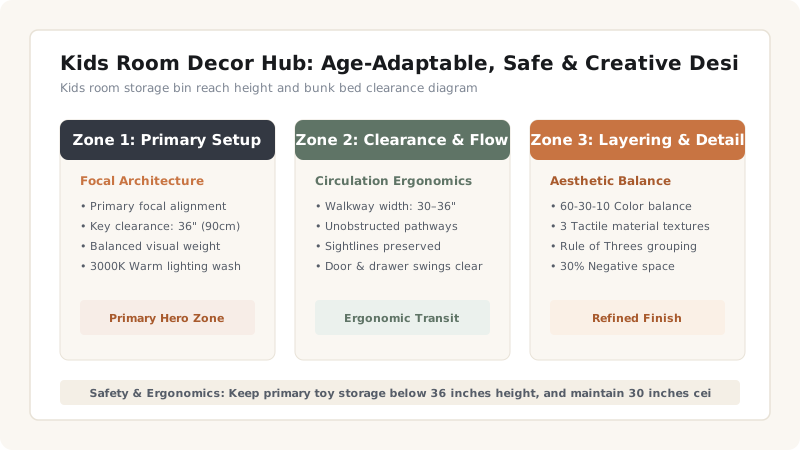
- Toy bins and book ledges should sit below 36 inches for independent child cleanup.
- Wall-anchor ALL dressers and bookcases to prevent tipping hazards.
- Dedicated study desks become essential around age 6, requiring 3000K task light.
In-Depth Guides in this Directory
Explore specialized subtopic blueprints, technical dimensions, and execution checklists:
Kids Room Storage: Toy Bins, Accessible Shelving & Baskets
Organize kids toys and clothes with low cubby units, canvas bins, front-facing book ledges, under-bed storage drawers, and label systems.
Kids Room Lighting: Nightlights, Dimmable Ambient & Study Lamps
Plan safe kids room lighting: 2700K dimmable nightlights, 3000K study desk lamps, shatterproof fixtures, and cord safety rules.
Shared Kids Room Decor: Bunk Beds, Dividers & Personal Zones
Decorate shared kids rooms: bunk bed clearance rules, spatial division, individual study desks, color zoning, and personal storage.
1. The Age-Adaptable Growth Framework
Children grow rapidly, changing tastes, hobbies, and physical needs every few years. Decorating a kids room around a hyper-specific cartoon theme leads to costly complete overhauls within 24 to 36 months.
Follow the 70/30 growth framework: anchor 70% of the room (bed frame, wardrobe, flooring, main wall paint) in timeless, durable neutrals, and reserve 30% (bedding, rug, wall prints, cushion accents) for playful age-specific themes.
Kids Room Age Adaptation Blueprint
Use this reference table to calculate exact physical dimensions, ratios, and specifications before purchasing:
| Age Phase | Primary Bed System | Storage Focus | Study / Play Requirement |
|---|---|---|---|
| Toddler (Ages 2-4) | Low Convertible Toddler Bed | Open low bins under 24" height | Floor play mat + Soft foam blocks |
| Early Child (Ages 5-8) | Twin Platform Bed with Drawers | Cubby shelves with fabric baskets | 30" High study desk + Pinboard |
| Pre-Teen (Ages 9-12) | Full Bed / Loft Bed with Desk under | Modular wardrobe + Bookcase | Ergonomic study station + Tech storage |
Kids Room Safety Constraints
Every successful decoration project must account for physical and environmental constraints:
Furniture Tip Hazards
Unanchored dressers tip easily when drawers are pulled out; anti-tip heavy-duty wall straps are mandatory for child safety.
How to Layout a Balanced Kids Room
Execute this professional sequence to achieve flawless results without backtracking:
Anchor Heavy Furniture
Secure dressers and bookcases to wall studs using steel anti-tip straps.
Place Low Toy Cubbies
Position a 30-inch tall 6-cubby shelf unit against the main play wall.
Set Up Soft Play Rug
Lay a washable cotton or plush low-pile area rug in the room center.
Add Dimmable Nightlight
Install a warm 2700K dimmable bedside lamp or wall sconce.
Common Mistakes & Countermeasures
Avoid these costly errors that compromise aesthetics, ergonomics, and budget:
High Unreachable Toy Shelves
Project Execution Checklist
Track your physical progress. Checkboxes persist automatically on this device:
Frequently Asked Questions
How can I decorate a kids room on a budget?
Invest in sturdy solid wood or metal bed frames, use removable peel-and-stick wall decals for themes, and use washable cotton rugs.


