
Choose a low platform bed with a 10 to 12-inch base height paired with a 10-inch mattress, providing a finished 20-inch sitting height that maintains the low Japandi aesthetic while allowing easy standing. Ensure slats are spaced 2.5 to 3 inches apart for mattress airflow.
At a Glance: Key Takeaways
- Platform Base Height: 10 to 12 inches from floor to top of wood platform.
- Finished Sitting Height: 18 to 20 inches (Platform + Mattress) ensures easy 90-degree knee standing.
- Airflow Slats: Space solid wood slats 2.5 to 3.0 inches apart to prevent mold growth under foam mattresses.
- Extended Side Ledges: 6-inch cantilevered perimeter wood ledge doubles as built-in nightstand surface.
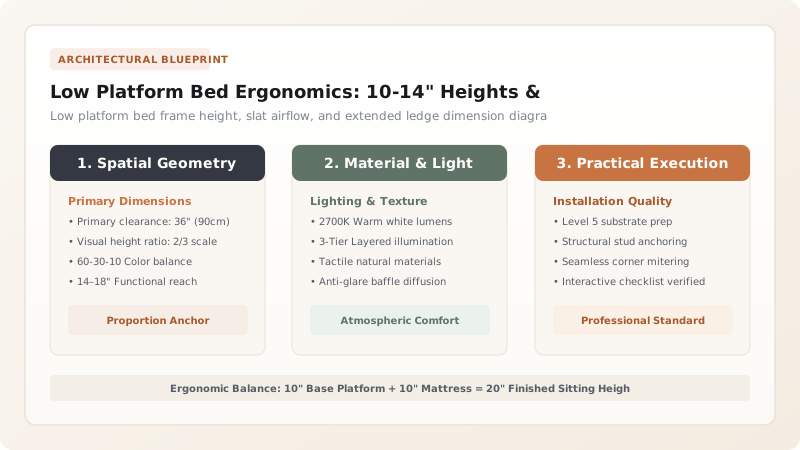
1. Knee Biomechanics & Under-Mattress Ventilation Physics
Traditional Japanese Tatami futons rest directly on the floor. However, modern foam and hybrid mattresses trap human body perspiration (approximately 1 pint per night). Placing a mattress directly on a solid flat floor causes moisture to condense, leading to dangerous black mold under the mattress within months.
An engineered Japandi wooden platform bed elevates the mattress 10 to 12 inches on heavy wooden legs, utilizing ventilated poplar slats spaced 2.75 inches apart to maintain continuous 360-degree air circulation beneath the mattress.

Platform Bed Height & Ergonomic Comparison
Use this reference table to calculate exact physical dimensions, ratios, and specifications before purchasing:
| Platform Style | Platform Base Height | Finished Height (with 10" Mattress) | Ergonomic Standing Ease |
|---|---|---|---|
| Japandi Low Platform (Optimal) | 10" - 12" base | 20" - 22" finished | 100% Comfortable (90° knee angle) |
| Traditional Japanese Tatami Frame | 4" - 6" ultra-low | 14" - 16" finished | Requires strong knee/squat strength |
| Floating Cantilever Platform | 10" hidden leg base | 20" finished | High comfort + zero toe-stubbing |
| American High Boxspring Bed | 18" base box | 28" - 32" finished | Climbing height (Too high for Japandi) |
Mattress Mold Condensation Constraints
Every successful decoration project must account for physical and environmental constraints:
Placing Mattress on Solid Unventilated Plywood
Solid un-slatted platform bases trap human sweat, causing black mold underneath mattresses; ensure the platform base has open slats spaced 2.5 to 3 inches apart or drill 2-inch ventilation holes every 6 inches.
How to Build or Select an Ergonomic Japandi Platform Bed
Execute this professional sequence to achieve flawless results without backtracking:
Select 10-12" Base Height
Choose solid white oak or ash timber frame standing 10-12 inches high.
Verify Slat Spacing
Confirm internal slats are spaced between 2.5 and 3.0 inches apart.
Check 6" Extended Ledges
Select a frame with 6-inch side perimeter ledges to rest books and tea cups.
Add Recessed Base Legs
Ensure frame legs are recessed 6 inches under the frame to prevent stubbing toes in the dark.
Common Mistakes & Countermeasures
Avoid these costly errors that compromise aesthetics, ergonomics, and budget:
Selecting an Overly Thick 16-Inch Pillowtop Mattress
Project Execution Checklist
Track your physical progress. Checkboxes persist automatically on this device:
Frequently Asked Questions
Do low platform beds make small bedrooms look bigger?
Yes! By keeping furniture below 24 inches in height, low platform beds maximize the open vertical space between the mattress and the ceiling, making compact 10x12 bedrooms feel open and airy.


