
Design a Japandi bedroom by combining Japanese minimalism with Scandinavian warmth: install a low-profile 10 to 12-inch white oak platform bed, a vertical slatted timber accent wall, suspended Noguchi washi paper pendant lights (2700K), and un-dyed natural flax linen bedding.
At a Glance: Key Takeaways
- Low-Horizon Living: Grounding furniture close to the floor expands vertical headroom and creates tranquility.
- Wabi-Sabi Imperfection: Embrace handmade ceramic vessels, live-edge wood grains, and raw un-dyed textiles.
- Washi Paper Illumination: Akari rice paper lamps scatter 100% glare-free, organic ambient light.
- Restrained Palette: Warm oatmeal, muted clay, pale ash/oak, and matte charcoal accents (60-30-10 rule).
In-Depth Guides in this Directory
Explore specialized subtopic blueprints, technical dimensions, and execution checklists:
Low Platform Bed Ergonomics: 10-14" Heights & Air Circulation
Master low platform bed ergonomics in Japandi design: 10-14 inch platform heights, under-mattress ventilation slats (mold prevention), extended side ledges, and knee mechanics.
Noguchi Akari Paper Lighting: Washi Lanterns & Diffused Glow
Master Noguchi Akari washi paper lighting in Japandi bedrooms: organic bamboo ribbing, handmade mulberry bark paper, glare-free light diffusion, and bedside pendant heights.
Japandi Linen & Tatami Textiles: Un-Dyed Flax & Rush Mats
Master Japandi bedroom textiles: natural un-dyed Belgian flax linen, aromatic woven rush grass Tatami mats, textured waffle throws, and organic earth palettes.
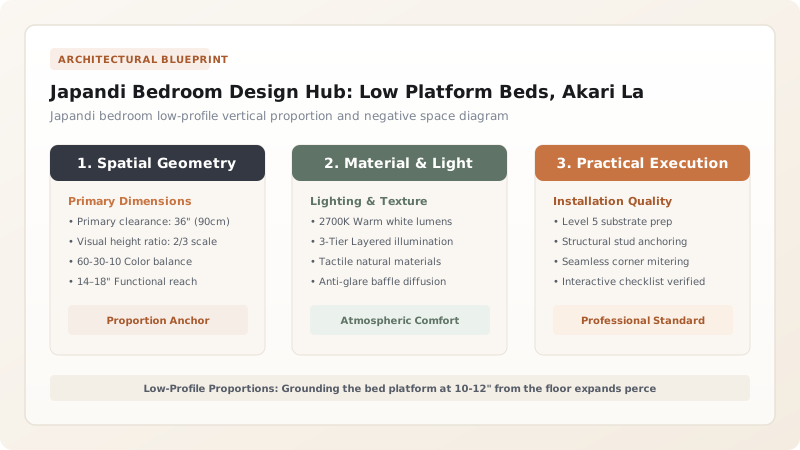
1. The Philosophy of Japandi: Wabi-Sabi Meets Hygge
Japandi interior design is not a trendy aesthetic; it is the philosophical intersection of two time-honored cultures that revere craftsmanship, nature, and intentional living. Japanese Wabi-Sabi (finding beauty in natural imperfection, age, and simplicity) fuses seamlessly with Scandinavian Hygge (creating cozy, tactile sanctuary comfort).
The bedroom is the purest canvas for Japandi design: clutter is eliminated, visual noise is replaced with textured negative space, and furniture heights are lowered to emphasize grounding horizontal sightlines.

Japandi Bedroom Material & Element Matrix
Use this reference table to calculate exact physical dimensions, ratios, and specifications before purchasing:
| Architectural Element | Japanese Influence | Scandinavian Influence | Japandi Synthesis |
|---|---|---|---|
| Bed Frame | Low Tatami floor platform | Light ash / oak joinery | 10" Low Oak Platform with extended ledges |
| Lighting Fixtures | Washi rice paper lanterns | Pendant drop placement | Noguchi Akari sculptural paper pendants |
| Bedding Textiles | Woven rush grass & cotton | Chunky wool & linen layers | Un-dyed wrinkled flax linen + waffle throw |
| Wall Treatments | Slatted cedar / Shou Sugi Ban | Light-reflecting warm white | Slatted oak accent wall + Lime-plaster paint |
Low Platform Knee Joint Ergonomics Constraints
Every successful decoration project must account for physical and environmental constraints:
Low 8-Inch Bed Causing Knee Strain When Standing
Ultra-low floor beds can cause knee and hip strain for adults over 50; adjust the finished top-of-mattress height to 18-20 inches (10" platform + 10" firm hybrid mattress) to maintain low lines while preserving ergonomic ease.
How to Transform a Bedroom into a Japandi Sanctuary
Execute this professional sequence to achieve flawless results without backtracking:
Declutter to Essentials
Remove all plastic, decorative knickknacks, and extraneous dressers.
Install Low Platform Bed
Assemble a low 10-inch solid white oak or ash platform frame.
Hang Paper Lantern Pendant
Suspend an oversized 24-inch Akari paper sphere 20 inches above nightstand.
Layer Un-Dyed Linen Bedding
Dress bed in natural oatmeal linen, adding a charcoal lumbar pillow for contrast.
Common Mistakes & Countermeasures
Avoid these costly errors that compromise aesthetics, ergonomics, and budget:
Using Cold Gray Paint and Sterile High-Gloss Furniture
Project Execution Checklist
Track your physical progress. Checkboxes persist automatically on this device:
Frequently Asked Questions
What paint colors are best for a Japandi bedroom?
Warm off-whites with yellow or taupe undertones (such as Benjamin Moore Swiss Coffee, Sherwin Williams Alabaster, or Limewash Roman Clay in Bone) provide soft daylight reflection without clinical glare.


