
Select plant pot materials based on plant watering needs: use unglazed porous Terracotta for plants that hate soggy soil (succulents, cacti, snake plants). Use Glazed Ceramic or Fiberglass for tropicals (Monsteras, Ferns) that prefer evenly moist soil.
At a Glance: Key Takeaways
- Terracotta: Porous, wicks water, prevents root rot, develops beautiful white mineral patina.
- Glazed Ceramic: Non-porous, retains moisture, wide range of modern matte and ribbed finishes.
- Fiberglass / Fiberclay: Ultra-lightweight, frost-proof, looks like heavy concrete with 80% less weight.
- Drainage Saucers: Mandatory glazed saucers or cork mats prevent furniture water rings.
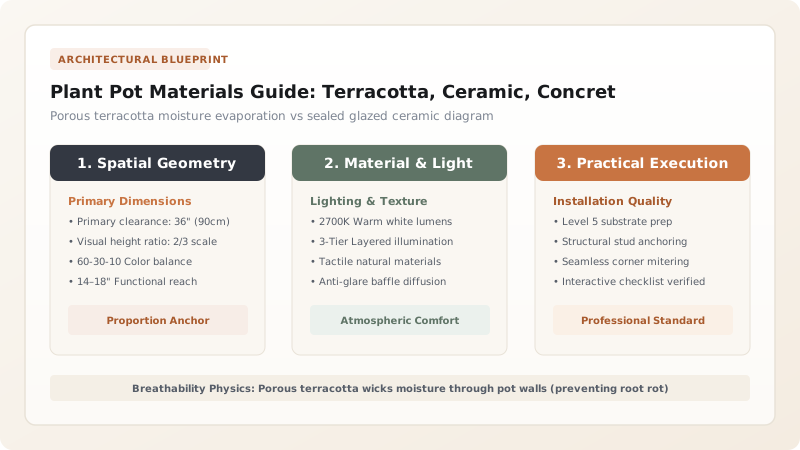
1. Porosity & Soil Drying Physics by Material
A plant pot is not just a decorative wrapper; it directly controls the root zone microclimate. Choosing the wrong pot material is the number one cause of accidental overwatering or underwatering.
- Unglazed Terracotta: Clay is baked at low temperatures, leaving microscopic pores that allow air to reach roots and moisture to evaporate through the sidewalls.
- Glazed Ceramic & Porcelain: Glass glaze seals all pores. 100% of moisture evaporation occurs through the top soil surface only, keeping soil damp twice as long.

Planter Material & Plant Matching Guide
Use this reference table to calculate exact physical dimensions, ratios, and specifications before purchasing:
| Planter Material | Porosity / Breathability | Soil Drying Speed | Best Plant Matches |
|---|---|---|---|
| Unglazed Terracotta | High (Porous clay) | Fast (Wicks moisture) | Snake Plants, ZZ Plants, Cacti, Succulents |
| Glazed Ceramic | Zero (Sealed glaze) | Slow (Retains water) | Monsteras, Fiddle Leaf Figs, Calatheas, Palms |
| Fiberglass / Fiberstone | Zero (Composite resin) | Medium | Large 6-ft floor trees (Extremely lightweight) |
| Hammered Brass / Metal | Zero (Metal bowl) | Slow (Condensation risk) | Decorative cover pot for nursery pots only |
Terracotta Mineral Efflorescence Constraints
Every successful decoration project must account for physical and environmental constraints:
White Chalky Salt Crust on Terracotta
Tap water minerals wick through terracotta walls, leaving white crusty salt stains; wipe with a 50/50 vinegar-water brush or celebrate as natural aged patina.
How to Pot and Stage a New Plant
Execute this professional sequence to achieve flawless results without backtracking:
Check Drainage Hole
Ensure the inner nursery pot has 4+ functional drainage holes.
Place Glazed Saucer
Put a glazed ceramic saucer inside the decorative planter.
Insert Plastic Nursery Pot
Drop the nursery pot inside the cover planter (Cachepot method).
Add Cork Pad Underneath
Place a thick cork pad under the pot before setting on furniture.
Common Mistakes & Countermeasures
Avoid these costly errors that compromise aesthetics, ergonomics, and budget:
Using Metal Planters with Direct Soil Contact
Project Execution Checklist
Track your physical progress. Checkboxes persist automatically on this device:
Frequently Asked Questions
Why is fiberglass better than real concrete for large floor planters?
Fiberglass and fiberclay mimic the raw matte texture of heavy cast concrete but weigh 80% less. A 16-inch concrete planter weighs 60 lbs empty; a fiberglass planter weighs only 8 lbs.


