
Style indoor plants by placing large architectural floor trees (5-7 ft tall) in empty room corners to anchor height. Layer trailing plants on high shelves, and group smaller plants in clusters of three using contrasting textured ceramic and terracotta planters.
At a Glance: Key Takeaways
- Architectural Scale: 5 to 7-foot floor trees (Olive, Fig, Palm) anchor corners and high ceilings.
- The Rule of Threes: Group plants in trios with varying heights, leaf shapes, and planter textures.
- Light Zone Alignment: Match plant species to measured window light levels (Direct, Indirect, Low).
- Planter Standards: Always keep nursery grow pots inside decorative planters with drainage saucers.
In-Depth Guides in this Directory
Explore specialized subtopic blueprints, technical dimensions, and execution checklists:
Large Floor Plants: Fiddle Leaf, Olive & Bird of Paradise Styling
Master large indoor floor trees: sizing 5-8 ft trees for room scale, planter diameter ratios (12-16 inches), grow light integration, and rotating schedules.
Hanging & Trailing Plants: Ceiling Swags, Bookshelf Cascades & Hooks
Master hanging & trailing indoor plants: ceiling swag anchor hooks (50 lbs), bookshelf cascading vines (Pothos, Philodendron), macramé, and watering methods.
Plant Pot Materials Guide: Terracotta, Ceramic, Concrete & Metal
Master plant pot materials: terracotta breathability, glazed ceramic moisture retention, lightweight fiberglass, concrete thermal mass, and saucer pairing.
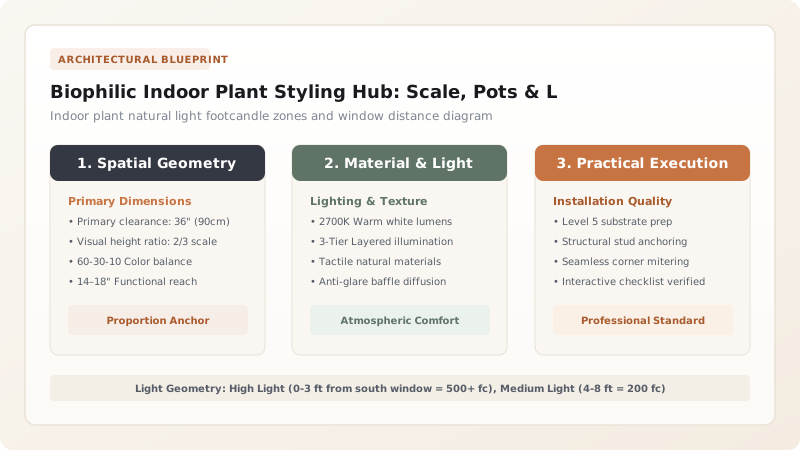
1. The 3-Tier Vertical Plant Layering System
Biophilic design is the architectural science of integrating living nature into human environments to reduce stress, improve acoustics, and clean indoor air. Scattering random tiny succulent pots across tables creates clutter; intentional styling layers plants across three vertical tiers:
- Tier 1: Floor Anchor Trees (5-8 ft high): Fiddle Leaf Fig, Ficus Audrey, Bird of Paradise, Olive Tree.
- Tier 2: Eye-Level Mid-Tier (3-4 ft high): Monsteras on plant stands, Snake Plants on credenzas, Rubber Trees.
- Tier 3: High Trailing Tier (6-8 ft high): Golden Pothos, String of Hearts, Philodendron cascading from high bookshelves.

Indoor Plant Species by Light Level Matrix
Use this reference table to calculate exact physical dimensions, ratios, and specifications before purchasing:
| Light Exposure Zone | Footcandles (fc) | Recommended Plant Species | Styling Location |
|---|---|---|---|
| High Direct Light | 500 - 1,000+ fc | Fiddle Leaf Fig, Olive Tree, Cacti | Directly in front of South/West windows |
| Bright Indirect Light | 200 - 500 fc | Monstera Deliciosa, Rubber Tree, Palms | 3 - 6 ft back from sunny windows |
| Medium Indirect Light | 100 - 200 fc | Pothos, Philodendron, Peperomia | Credenzas, dining tables, side shelves |
| Low Light / Interior Nook | 50 - 100 fc | ZZ Plant, Cast Iron Plant, Snake Plant | Windowless bathrooms, dark hallways, bedrooms |
Water Drainage & Floor Damage Constraints
Every successful decoration project must account for physical and environmental constraints:
Water Leaking Through Terracotta onto Hardwood
Porous terracotta pots 'sweat' moisture through their base, leaving dark black water rings on timber floors; always place glazed waterproof ceramic saucers or cork pads beneath pots.
How to Style an Architectural Plant Corner
Execute this professional sequence to achieve flawless results without backtracking:
Select 6-Foot Floor Tree
Choose a tree whose foliage clears the top of adjacent furniture.
Elevate in Stand
Place the tree inside a ceramic planter elevated in a mid-century wood stand.
Add Secondary Mid-Height Plant
Place a 2-foot bushy plant (like a Calathea) on a low stool beside the tree.
Install Cork Floor Protectors
Place heavy-duty cork discs beneath all plant bases to protect flooring.
Common Mistakes & Countermeasures
Avoid these costly errors that compromise aesthetics, ergonomics, and budget:
Planting Directly into Decorative Pots Without Drainage Holes
Project Execution Checklist
Track your physical progress. Checkboxes persist automatically on this device:
Frequently Asked Questions
What is the easiest low-light indoor floor plant that won't die?
The ZZ Plant (Zamioculcas zamiifolia) and Snake Plant (Sansevieria) are virtually indestructible in low light, requiring watering only once every 3 to 4 weeks.


