
Create a high-impact flower wall by arranging silk or fresh blooms in a smooth ombré color gradient (e.g., ivory to blush to deep crimson), anchoring panels onto a 8x8 foot frame with 40lb counterweights, and ensuring a density of 65+ blooms per panel.
At a Glance: Key Takeaways
- Ombré color transitions (light to dark) create stunning visual depth in photographs.
- High bloom density (65-80 heads per panel) prevents bare grid gaps.
- Hydrangeas form the ideal dense base, allowing accent roses to pop forward.
- Light with 3000K soft spotlights angled at 45 degrees to highlight petal texture.
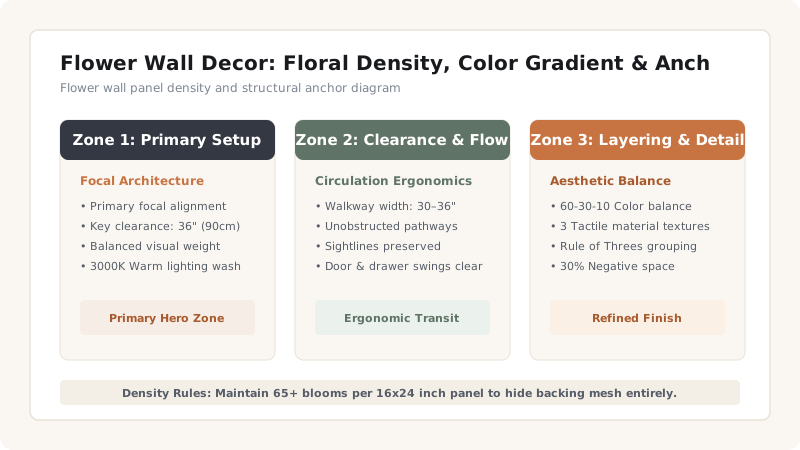
1. Color Gradients & Density Standards
Flower walls serve as luxury statement backdrops for weddings, brand activations, and red-carpet events. Designing an ombré or monochrome floral wall requires precise flower placement.
Flower Wall Density & Bloom Guide
Use this reference table to calculate exact physical dimensions, ratios, and specifications before purchasing:
| Bloom Type | Role in Wall | Blooms per Sq. Ft. | Visual Texture |
|---|---|---|---|
| Hydrangeas (White/Pink) | Base Filler (60% volume) | 30 - 40 Clusters | Soft, dense cloud-like foundation |
| Garden Roses (Mixed sizes) | Focal Accent (30% volume) | 20 - 30 Heads | Raised dimensional elegance |
| Peonies / Ranunculus | Hero Highlight (10% volume) | 10 - 15 Heads | Luxe multi-layered petals |
| Eucalyptus / Ivy Sprigs | Organic Edge Softener | 10 Sprigs per edge | Natural botanical movement |
Flower Wall Constraints
Every successful decoration project must account for physical and environmental constraints:
Flat Unfluffed Petals
Packed silk flower panels become crushed in transit; steam panels with a handheld garment steamer before mounting.
How to Build a Gradient Flower Wall
Execute this professional sequence to achieve flawless results without backtracking:
Layout Color Gradient
Lay flower panels on floor in desired ombré sequence (ivory top -> blush mid -> crimson bottom).
Mount Top Row Panels
Zip-tie top row of ivory panels to upper frame bar at 8ft height.
Attach Mid & Bottom Rows
Zip-tie blush and crimson panels, pulling wire mesh tight.
Steam & Fluff Petals
Steam crushed petals on low heat to open bloom volume fully.
Common Mistakes & Countermeasures
Avoid these costly errors that compromise aesthetics, ergonomics, and budget:
Random Unorganized Color Blotches
Project Execution Checklist
Track your physical progress. Checkboxes persist automatically on this device:
Frequently Asked Questions
What is an ombré flower wall?
An ombré flower wall features a gradual color transition across its surface, such as fading smoothly from pure white at the top to soft pink in the middle and deep magenta at the base.


