
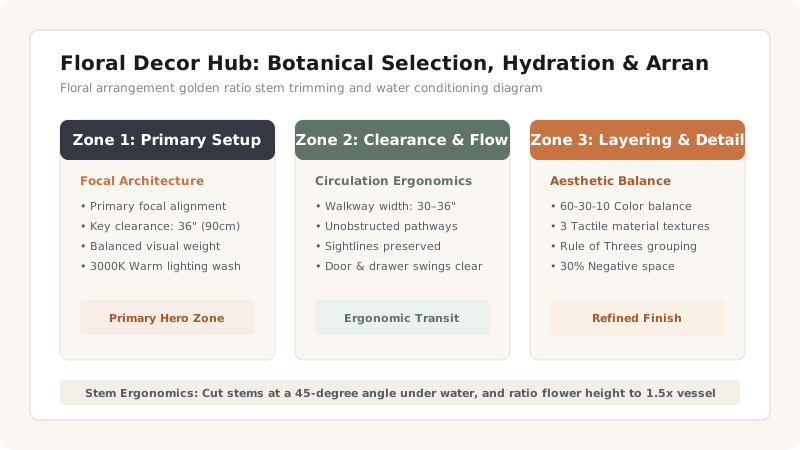
Decorate with flowers effectively by conditioning stems (cut at a 45-degree angle under water), applying the 1.5x height rule (flowers should reach 1.5 times the height of the vase), balancing focal blooms (roses/peonies) with filler stems (baby's breath/hypericum) and greenery, and using floral foam for structured arrangements.
At a Glance: Key Takeaways
- Always cut floral stems at a 45-degree angle to maximize water absorption.
- The 1.5x ratio rule: overall arrangement height should equal 1.5 times vase height.
- Combine three floral roles: Focal Blooms (40%), Secondary Fillers (40%), Greenery (20%).
- Change vase water every 48 hours and add flower food to extend bloom life by up to 5 days.
In-Depth Guides in this Directory
Explore specialized subtopic blueprints, technical dimensions, and execution checklists:
Flower Wall Decor: Floral Density, Color Gradient & Anchorage
Build flower wall decorations: bloom density standards, gradient color transitions, foam block anchorage, and venue photo framing.
Tabletop Floral Arrangements: Sightline Rules & Runners
Style tabletop flower arrangements: under-12-inch low sightline bowls, 30-inch elevated stands, continuous floral runners, and water care.
Entrance Floral Decoration: Garland Columns, Torans & Swags
Decorate entranceways with flowers: marigold torans, door frame swags, floral column wraps, entrance archways, and urn arrangements.
1. Floral Architecture & Conditioning Science
Flowers bring organic life, natural fragrance, and dynamic color into home interiors and event spaces. Professional floral design relies on botanical conditioning and structural proportions.
Floral Arrangement Proportions
Use this reference table to calculate exact physical dimensions, ratios, and specifications before purchasing:
| Vessel Type | Ideal Flower Types | Height Ratio Formula | Lifespan Expectancy |
|---|---|---|---|
| Tall Cylinder Vase (10-12") | Long-stemmed Delphinium, Gladiolus, Lilies | Flowers extend 1.5x vase height (15-18") | 5 - 7 Days (Fresh water) |
| Low Ceramic Pedestal Bowl (4-6") | Garden Roses, Hydrangeas, Ranunculus, Peonies | Arrangement 10-12" total height | 4 - 6 Days (Floral foam) |
| Bud Vase Trios (4-6") | Single stem Anemone, Tulip, Spray Rose | Flowers 1.2x vase height | 3 - 5 Days |
| Urli Water Vessel | Floating Lotus, Marigold heads, Rose petals | Flat on water surface | 2 - 3 Days (Change water daily) |
Flower Decor Constraints
Every successful decoration project must account for physical and environmental constraints:
Ethylene Gas Damage
Placing fresh flowers near ripening fruit (apples, bananas) releases ethylene gas, causing petals to drop prematurely; keep flowers 5 feet away from fruit bowls.
How to Condition Fresh Flowers
Execute this professional sequence to achieve flawless results without backtracking:
Trim Stems at 45 Degrees
Use sharp shears to cut 1 inch off stem bases at a 45-degree angle under running water.
Remove Submerged Leaves
Strip all leaves from lower stems that will sit underwater in the vase.
Mix Flower Food
Dissolve floral preservative packet in lukewarm water inside a clean vase.
Arrange by Role
Insert greenery base first, add focal roses second, and finish with delicate fillers.
Common Mistakes & Countermeasures
Avoid these costly errors that compromise aesthetics, ergonomics, and budget:
Leaving Submerged Leaves in Water
Project Execution Checklist
Track your physical progress. Checkboxes persist automatically on this device:
Frequently Asked Questions
How long do fresh cut flowers last in a vase?
With proper stem conditioning, flower food, and water changes every 48 hours, fresh cut flowers last 5 to 9 days indoors.


