
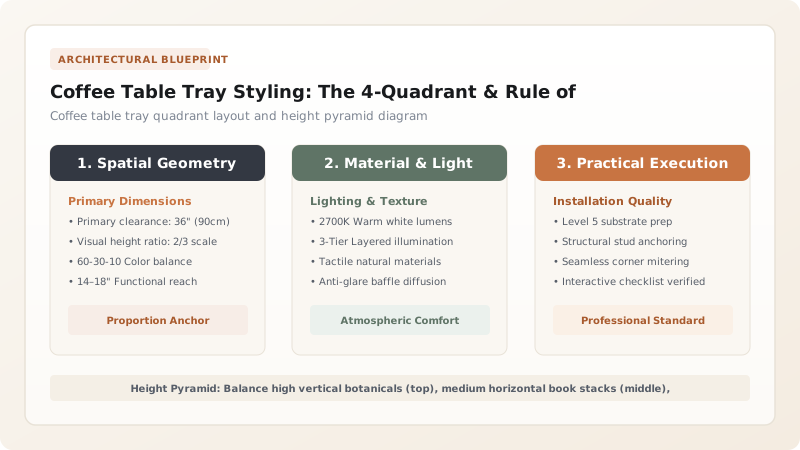
Style a coffee table with a tray by choosing a tray that covers roughly one-third of the tabletop. Place the tray on one side and group 3 objects inside of varying heights: something tall (vase), something wide (candle/bowl), and something organic.
At a Glance: Key Takeaways
- Tray Proportion: Tray footprint should occupy 30-40% of total coffee table surface area.
- Material Contrast: Pair wood trays on marble tables, marble trays on wood tables, or woven trays on glass.
- The Rule of Threes: Combine tall vertical botanical + medium solid candle + low organic dish.
- Functional Zone: Leave the opposite 60% of the table unobstructed for resting drinks and laptops.
1. The Geometry of Visual Corralling
Without a tray, small items like TV remotes, coasters, matchboxes, and scented candles scatter across a coffee table, creating visual noise. A tray creates an architectural frame that reads as a single cohesive unit.

Tray Material & Table Surface Pairings
Use this reference table to calculate exact physical dimensions, ratios, and specifications before purchasing:
| Coffee Table Surface | Optimal Tray Material | Visual Purpose | Functional Benefit |
|---|---|---|---|
| White Marble / Quartz | Oiled Walnut / Teak Wood | Injects organic warmth | Prevents stone scratches |
| Natural Oak / Wood | Polished Brass / Travertine | Adds refined reflective shine | Protects wood from moisture |
| Clear Glass | Woven Cane / Rattan | Adds grounding texture | Softens hard reflective glare |
| Black Metal / Iron | White Ceramic / Alabaster | Creates crisp monochrome contrast | Brightens dark surfaces |
Weight & Surface Scratch Constraints
Every successful decoration project must account for physical and environmental constraints:
Heavy Stone Tray Scratching
Solid marble trays can scratch polished wood veneer tables; attach 4 self-adhesive felt furniture pads beneath tray corners.
How to Build a 3-Layer Tray Vignette
Execute this professional sequence to achieve flawless results without backtracking:
Select Sized Tray
Choose a tray spanning 12x18 inches or 14-inch round diameter.
Place Flat Anchor
Stack 2 small hardcover design books inside the tray.
Set Vertical Element
Add a small bud vase with fresh greenery on top of the books.
Add Scented Candle
Place an amber jar candle and brass wick trimmer beside the books.
Common Mistakes & Countermeasures
Avoid these costly errors that compromise aesthetics, ergonomics, and budget:
Covering 100% of the Coffee Table with Decor
Project Execution Checklist
Track your physical progress. Checkboxes persist automatically on this device:
Frequently Asked Questions
What size tray should I put on a 36-inch round coffee table?
A 14 to 16-inch round or square tray is ideal, occupying roughly 35-40% of the surface while leaving ample perimeter room for cups and plates.


