
Transform awkward nooks by building custom built-ins tailored to exact wall angles: convert dead under-stair voids into study alcoves (requiring 48" seated headroom), bay windows into upholstered banquette benches (18-20" depth), and recessed niches into floating bookshelves.
At a Glance: Key Takeaways
- Under-Stair Transformation: Study desks, reading daybeds, or pull-out wine storage.
- Bay Window Banquettes: 18 to 20-inch seat depth with lift-up piano hinge storage.
- Floating Alcove Ledges: 1.5 to 2.0-inch thick floating oak shelves with concealed cleats.
- Lighting Integration: Install dedicated articulating sconces inside dark architectural alcoves.
In-Depth Guides in this Directory
Explore specialized subtopic blueprints, technical dimensions, and execution checklists:
Under-Staircase Decoration: Reading Nooks, Workspaces & Wine Displays
Master under-staircase space optimization: study desks, reading daybeds, enclosed pull-out shoe drawers, glass-walled wine displays, and LED lighting.
Bay Window Banquette Seating: Bench Dimensions & Cushion Foam
Master bay window banquette seating: 18-20 inch seat depth formulas, 3-inch high-density foam cushions, lift-up piano hinges, and dining table pairing.
Alcove Desk Nooks: Built-In Floating Study Ledges & Power Routing
Master alcove home office desk nooks: 20-24 inch floating desktop depths, 2x2 wall cleat anchoring, cable grommets, and task sconce integration.
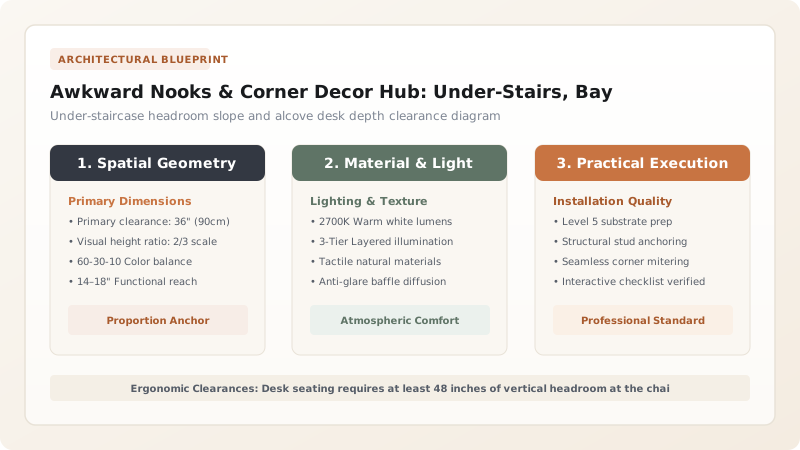
1. Turning Dead Square Footage into Signature Features
Every home contains architectural anomalies: the dead triangular void beneath the staircase, an awkward 3-foot alcove beside a fireplace chimney breast, or an unused angled bay window. Leaving these spaces empty makes the room feel unfinished.
Custom built-in millwork and targeted lighting transform these neglected corners into the most charming, functional micro-destinations in the entire home.

Awkward Space Transformation Matrix
Use this reference table to calculate exact physical dimensions, ratios, and specifications before purchasing:
| Awkward Nook Type | Dimensions Profile | Optimal Transformation | Key Functional Benefit |
|---|---|---|---|
| Under-Staircase Void | Triangular angled slope | Built-in study desk / Wine rack | Reclaims 30-50 sq ft dead space |
| Chimney Breast Alcove | 36" - 48" wide, 14" deep | Floating oak bookshelves + base cabinet | Conceals electronics and displays art |
| Angled Bay Window | 3-Sided window recess | Upholstered banquette with storage | Adds 4 extra dining/reading seats |
| Hallway End Niche | 24" - 36" shallow recess | Console table + large mirror / art | Eliminates dark dead-end corridor |
Sloped Ceiling Headroom Constraints
Every successful decoration project must account for physical and environmental constraints:
Bumping Head When Standing Up Under Stairs
Placing a desk too far under an angled stair slope causes people to hit their heads when standing; ensure the chair position provides at least 68 inches of standing headroom.
How to Build a Custom Floating Alcove Shelf
Execute this professional sequence to achieve flawless results without backtracking:
Measure Alcove Width
Measure back, front, left, and right (alcove walls are rarely square).
Screw 2x2 Wood Cleats
Anchor 2x2 structural pine cleats into studs on back and side walls.
Build Box Hollow Shelf
Assemble 1/2-inch plywood box shelf with mitered hardwood front face.
Slide Shelf Over Cleats
Slide hollow shelf over wall cleats and pin with finish nails.
Common Mistakes & Countermeasures
Avoid these costly errors that compromise aesthetics, ergonomics, and budget:
Shoving Standard Freestanding Furniture into Angled Nooks
Project Execution Checklist
Track your physical progress. Checkboxes persist automatically on this device:
Frequently Asked Questions
How deep should an alcove floating desk be for a laptop?
An alcove desk should measure 18 to 22 inches deep for a laptop, or 24 to 28 inches deep if accommodating an external monitor and keyboard.


