
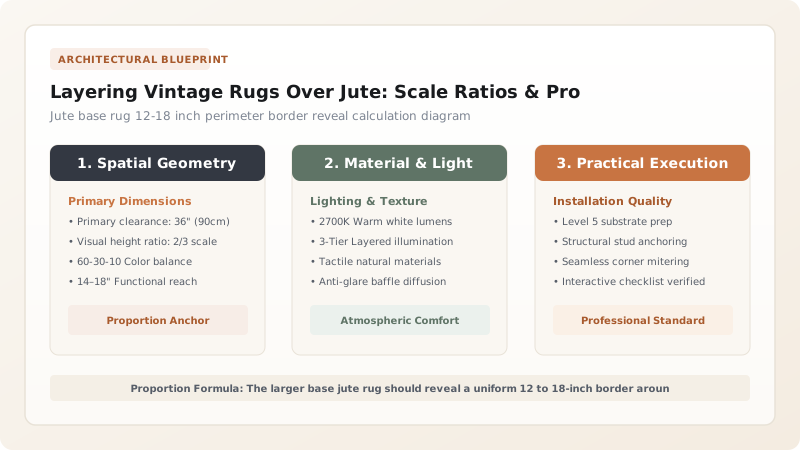
Layer a vintage rug over jute by placing a large natural jute or sisal rug (e.g. 9x12 ft) as the room anchor, then centering a smaller vintage Persian or Oushak rug (e.g. 6x9 ft or 5x8 ft) on top. Maintain a uniform 12 to 18-inch border of exposed jute on all sides.
At a Glance: Key Takeaways
- The Border Rule: Leave 12 to 18 inches of exposed jute border framing the top vintage rug.
- Budget Multiplier: A 9x12 antique Persian costs $5,000+; a 9x12 jute ($300) + 5x8 vintage rug ($400) achieves the same look for under $800.
- Texture Contrast: Chunky organic woven plant fibers contrast beautifully against soft sheared wool.
- Non-Slip Pad: Mandatory specialized rug-to-rug felt pad between layers stops the top rug from bunching.
1. Why Layering Solves the 'Too-Small Rug' Dilemma
The most common decorating mistake in living rooms is the 'floating postage stamp rug'—a gorgeous 5x8 vintage rug placed in a large room where furniture cannot rest on it, making the entire living room feel disjointed and miniature.
Layering a cost-effective natural fiber base rug (jute, sisal, or seagrass) anchors the entire perimeter of the seating group, while the smaller vintage Persian rug provides color, softness underfoot, and artistic personality in the conversation center.

Layered Rug Sizing Ratios Guide
Use this reference table to calculate exact physical dimensions, ratios, and specifications before purchasing:
| Room Size | Base Jute Rug Size | Top Vintage Rug Size | Exposed Jute Border |
|---|---|---|---|
| 11 ft × 13 ft (Small Living) | 8 ft × 10 ft Jute | 5 ft × 8 ft Vintage Wool | 18" on sides, 12" on ends |
| 14 ft × 18 ft (Standard Living) | 9 ft × 12 ft Jute | 6 ft × 9 ft Vintage Oushak | 18" on all sides (Ideal) |
| 16 ft × 22 ft (Great Room) | 10 ft × 14 ft Jute | 8 ft × 10 ft Vintage Persian | 12" - 24" perimeter border |
| Long Hallway (4 ft × 16 ft) | 3 ft × 14 ft Jute Runner | 2.5 ft × 8 ft Vintage Runner | Centered runner accent |
Top Rug Shifting & Ruffling Constraints
Every successful decoration project must account for physical and environmental constraints:
Top Vintage Rug Creasing and Sliding When Walked On
Placing wool directly on coarse jute causes the top rug to travel and bunch underfoot; strictly install a dual-sided rug-to-rug gripper pad (like Hold-It Rug Pad) coated with natural rubber on both sides.
How to Layer a Vintage Rug Over Jute
Execute this professional sequence to achieve flawless results without backtracking:
Lay Base Jute Rug
Position 9x12 jute rug leaving 12-18 inches of bare floor to the walls.
Place Seating Legs on Jute
Anchor all front furniture legs onto the base jute rug.
Roll Out Rug-to-Rug Pad
Place non-slip felt pad centered on the jute base.
Center Vintage Wool Rug
Roll out vintage rug on pad, verifying uniform 18-inch jute reveals on all sides.
Common Mistakes & Countermeasures
Avoid these costly errors that compromise aesthetics, ergonomics, and budget:
Using Chunky Looped Jute That Makes Coffee Tables Wobble
Project Execution Checklist
Track your physical progress. Checkboxes persist automatically on this device:
Frequently Asked Questions
Is jute or sisal softer underfoot for a base layer?
Jute is significantly softer under bare feet than sisal. Jute stems are naturally pliable, whereas sisal fibers from agave plants are stiffer and rougher.


