
Style wabi-sabi unglazed urns by celebrating their natural imperfections, mineral weathering, and chalky clay textures. Pair a single large vessel with wild, asymmetric dried branches (olive, dogwood, or birch) on a minimalist credenza or entryway pedestal.
At a Glance: Key Takeaways
- Philosophy: Wabi-Sabi embraces beauty in imperfection, asymmetry, and aged natural patina.
- Raw Finishes: Unglazed terracotta, pit-fired stoneware, weathered concrete, and aged clay.
- Asymmetric Branches: Use bare, twisted woody branches with natural bends rather than neat bouquets.
- Solitary Focus: A single large statement urn often carries more visual power than a cluttered cluster.
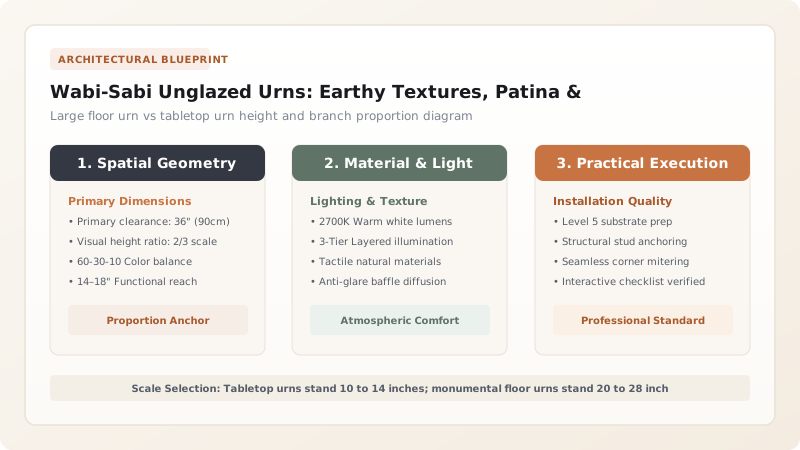
1. The Philosophy of Imperfect, Earthy Stoneware
Originating in traditional Japanese aesthetics, Wabi-Sabi finds beauty in natural simplicity, transience, and imperfection. In contemporary interior architecture, large unglazed clay vessels and antique olive oil urns provide organic grounding in clean minimalist homes.

Wabi-Sabi Urn Styling Options
Use this reference table to calculate exact physical dimensions, ratios, and specifications before purchasing:
| Urn Scale & Type | Height Range | Optimal Botanical | Display Location |
|---|---|---|---|
| Monumental Olive Oil Jar | 22" - 30" tall | 6-ft dried pear branches | Floor corner beside armchair, foyer plinth |
| Tabletop Han-Style Pot | 10" - 14" tall | 2-3 arching olive sprigs | Entryway console table, fireplace mantel |
| Low Wide Squat Vessel | 6" - 8" tall | Single twisted bonsai branch | Living room coffee table centerpiece |
| Double-Handled Amphora | 14" - 18" tall | Empty (Sculptural form) | Dining buffet, open kitchen shelf |
Raw Clay Tabletop Abrasion Constraints
Every successful decoration project must account for physical and environmental constraints:
Rough Clay Bottom Scratching Wood Tables
Raw unglazed pottery bases act like sandpaper on polished wood furniture; stick soft self-adhesive felt furniture discs onto the entire bottom rim of the pot.
How to Style an Architectural Statement Urn
Execute this professional sequence to achieve flawless results without backtracking:
Apply Felt Pads
Stick 4 felt protector pads beneath the base of the raw clay urn.
Position Slightly Off-Center
Place urn on the left or right third of a console table.
Prune Asymmetric Branches
Select 2-3 branches with natural bends and curves (1.75x urn height).
Anchor with Floral Foam/Pin
Secure branch bases inside the urn so they lean gracefully to one side.
Common Mistakes & Countermeasures
Avoid these costly errors that compromise aesthetics, ergonomics, and budget:
Using Symmetrical, Perfect Plastic Greenery
Project Execution Checklist
Track your physical progress. Checkboxes persist automatically on this device:
Frequently Asked Questions
Can you DIY the aged wabi-sabi pottery look with paint and baking soda?
Yes! Mix flat acrylic latex paint with baking soda (50/50 ratio) and brush onto cheap glass or thrifted ceramic vases to create a chalky, textured raw stone finish.


