
Decorate a Puja or prayer space respectfully by aligning the Mandir in the North-East (Eshanya) corner facing East, elevating idol bases to 36-42 inches eye level, using natural teakwood or marble materials, installing warm 2700K indirect cove lights, and providing heat-resistant oil lamp surfaces.
At a Glance: Key Takeaways
- Align Puja spaces towards the North-East or East direction for positive energy flow.
- Elevate idols so their feet rest at chest/eye level during sitting or standing prayer.
- Use natural materials like teakwood, white marble, brass, and copper.
- Ensure fire safety by placing oil lamps (diyas) on brass trays away from curtains.
In-Depth Guides in this Directory
Explore specialized subtopic blueprints, technical dimensions, and execution checklists:
Small Puja Space Decor: Wall Mandirs & Compact Nooks
Maximize small Puja spaces and apartment prayer nooks with wall-hung wooden mandirs, CNC jali screens, and floating marble shelves.
Prayer Space Lighting: Warm Brass Sconces & Oil Lamp Safety
Plan Puja room lighting: 2700K warm brass sconces, indirect halo backlighting, bell accent lights, and oil lamp fire safety rules.
Prayer Space Storage: Drawer Organization for Puja Items
Organize Puja room storage: brassware drawer dividers, incense storage, oil & cotton wick containers, holy book shelves, and prayer mat storage.
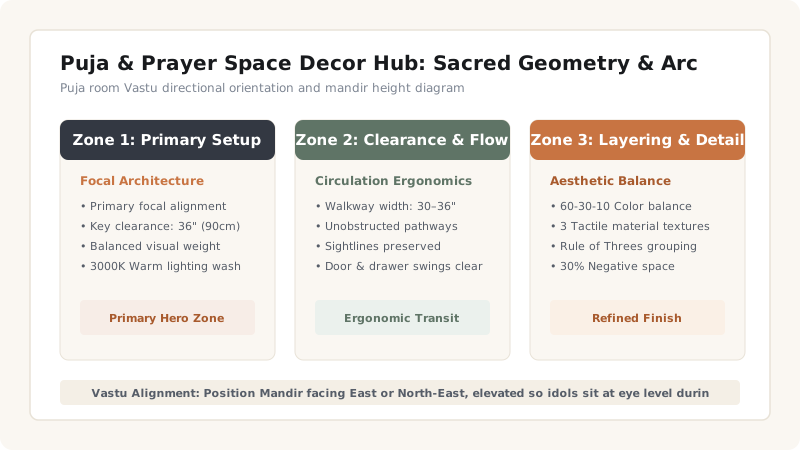
1. Sacred Layout & Directional Orientation
A Puja room or prayer space is the spiritual heart of a home. Whether designing a dedicated prayer room or a compact wall-mounted mandir nook, traditional spatial orientation and material selection create a serene atmosphere.
Core guidelines for prayer space decoration:
- Directional Orientation: Position the mandir in the North-East (Eshanya) sector of the home. Pray facing East or North.
- Eye-Level Elevation: Idols and sacred images should sit elevated at 36–42 inches height so they align with eye level during prayer.
- Material Purity: Prioritize natural white Makrana marble, solid teak or rosewood, solid unlacquered brass, and copper.
Puja Space Layout Selection
Use this reference table to calculate exact physical dimensions, ratios, and specifications before purchasing:
| Space Available | Mandir Architecture | Material Palette | Storage Integration |
|---|---|---|---|
| Dedicated Puja Room (> 40 sq ft) | Free-standing carved wooden / marble mandir | White marble floor, teak doors with jali | Built-in lower drawers for incense/wick |
| Living Room Nook | Wall-mounted wooden mandir cabinet | Teakwood, brass bell accents | Concealed lower drawer |
| Compact Apartment Alcove | Floating marble shelf with brass backplate | Carrara marble, polished brass | Pull-out brass diya tray |
| Niche / Wall Recess | Recessed wall mandir with backlit CNC jali | Corian / Acrylic jali screen | Lower sliding drawer |
Prayer Space Safety Constraints
Every successful decoration project must account for physical and environmental constraints:
Oil Lamp Fire Hazard
Burning brass diyas or incense near hanging cotton drapes poses severe fire risk; keep lamps 18 inches away from textiles on stone trays.
How to Style a Sacred Puja Mandir
Execute this professional sequence to achieve flawless results without backtracking:
Orient to North-East Corner
Position mandir cabinet in the North-East corner of the room.
Elevate Idol Platform
Set idol pedestal at 38 inches height from finished floor.
Arrange Brassware
Place brass diyas, bell, and urli bowl symmetrically on a marble tray.
Install Warm Backlight
Fit 2700K indirect LED strip behind the mandir frame.
Common Mistakes & Countermeasures
Avoid these costly errors that compromise aesthetics, ergonomics, and budget:
Placing Mandir Inside Bedrooms or Bathrooms
Project Execution Checklist
Track your physical progress. Checkboxes persist automatically on this device:
Frequently Asked Questions
Which direction should idols face in a home mandir?
Idols should ideally face West so that the person praying faces East towards sunrise. Alternatively, idols facing South allow prayers facing North.


