
Select solar roller shade openness by choosing 3% for the optimal balance of UV glare protection and clear outward view. Choose 1% for south/west facing windows with harsh TV glare, or 5% for north-facing windows where maximum view clarity is desired.
At a Glance: Key Takeaways
- Openness Factor (OF): The percentage of open space between woven vinyl/fiberglass yarn threads.
- 3% Openness (Sweet Spot): Blocks 97% of UV rays, cuts computer/TV screen glare, preserves view.
- 1% Openness (Maximum Glare Control): Ideal for media rooms, intense western sunset exposures.
- Dark vs Light Fabric: Dark fabrics provide clearer outward view; light fabrics reflect more exterior heat.
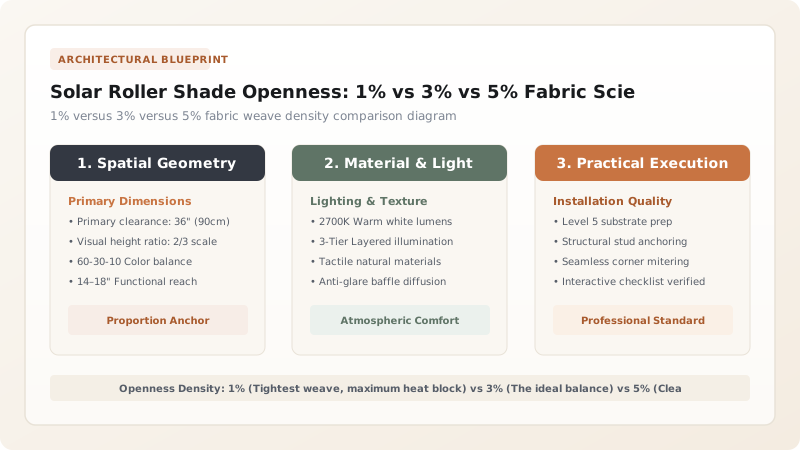
1. The Optical Physics of Dark vs Light Solar Fabrics
Solar shade fabric does not behave like traditional woven cotton. Because the yarn is engineered from vinyl-coated polyester or fiberglass, optical visibility follows counter-intuitive physical rules:
- Dark Charcoal / Bronze Fabrics: Absorb incoming light reflections. Your eye looks straight through the dark weave, providing superior clarity of the outdoor landscape.
- White / Cream Fabrics: Reflect sunlight off the front threads, creating a glowing 'milky veil' that provides more indoor daylight reflection and exterior heat bounce, but reduces outward view clarity.

Solar Shade Openness Factor Comparison
Use this reference table to calculate exact physical dimensions, ratios, and specifications before purchasing:
| Openness Factor % | UV Blockage % | Outward View Clarity | Best Room Orientation |
|---|---|---|---|
| 1% Openness (Dense) | 99% UV Block | Soft silhouette view | West-facing living rooms, home theaters, office screens |
| 3% Openness (Balanced) | 97% UV Block | Crisp, defined outdoor view | South-facing living rooms, dining spaces, kitchens |
| 5% Openness (Airy) | 95% UV Block | Maximum transparent view | North-facing windows, covered patio enclosures |
| 10% Openness (Open) | 90% UV Block | Ultra-clear glass-like view | Commercial showrooms, mild coastal exposures |
Nighttime Interior Privacy Inversion Constraints
Every successful decoration project must account for physical and environmental constraints:
Solar Shades Becoming 100% Transparent at Night
Solar shades only block views from the bright side to the dark side; at night when indoor lights are ON and outside is DARK, people outside can see straight inside; pair with dual-roller blackout shades for evening privacy.
How to Select the Perfect Solar Shade Fabric
Execute this professional sequence to achieve flawless results without backtracking:
Check Window Solar Direction
Determine if windows face East (morning sun), South (midday heat), or West (glare).
Select 3% Charcoal for Views
Choose 3% dark bronze or charcoal if seeing the backyard view is top priority.
Select 1% for Screen Glare
Choose 1% density if the window faces directly behind a TV or computer monitor.
Install Dual Roller for Night
Fit a dual-bracket roller with solar screen for day and blackout fabric for night.
Common Mistakes & Countermeasures
Avoid these costly errors that compromise aesthetics, ergonomics, and budget:
Expecting Solar Screen Shades to Provide Nighttime Bathroom Privacy
Project Execution Checklist
Track your physical progress. Checkboxes persist automatically on this device:
Frequently Asked Questions
Do solar roller shades prevent hardwood floors and rugs from fading?
Yes! A 3% or 1% solar shade blocks 97% to 99% of damaging ultraviolet radiation, preventing expensive hardwood flooring, leather sofas, and vintage wool rugs from sun bleaching.


