
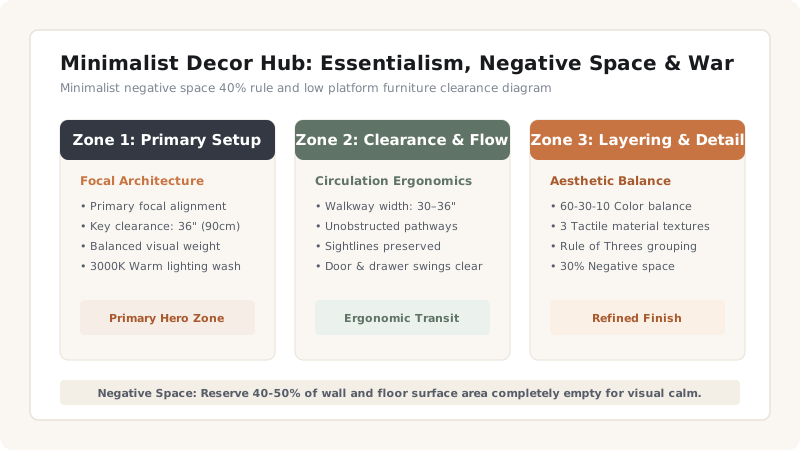
Decorate with warm minimalism by committing to essentialism (keep 40-50% of wall/surface space empty), using a monochromatic warm neutral palette (alabaster, greige, white oak), incorporating tactile textures (bouclé, slubby linen, matte ceramic), and concealing clutter.
At a Glance: Key Takeaways
- Warm minimalism avoids cold clinical sterility by introducing organic natural textures.
- Negative space (empty room areas) is treated as an active architectural element.
- Concealed flush-panel cabinetry hides everyday items from visual field.
- Quality over quantity: invest in single statement architectural furniture pieces.
In-Depth Guides in this Directory
Explore specialized subtopic blueprints, technical dimensions, and execution checklists:
Minimalist Bedroom Decor: Low Beds, Monochromatic Palettes & Storage
Master minimalist bedroom decoration: low-profile platform beds, monochromatic bedding, concealed wardrobe storage, and circadian lighting.
Minimalist Living Room Decor: Statement Furniture & Natural Light
Decorate minimalist living rooms: statement bouclé seating, un-cluttered surfaces, low-profile coffee tables, hidden media cabinets, and floor lighting.
Minimalist Small Space Decor: Multifunctional Furniture & Clean Lines
Maximize small spaces with minimalist principles: multifunctional furniture, leggy raised profiles, monochromatic palettes, and hidden storage.
1. The Minimalist Architectural Manifesto: Essentialism & Pure Spatial Volume
Minimalist interior design is not merely a styling aesthetic; it is an uncompromising architectural discipline rooted in essentialism, intentionality, and the deliberate elimination of visual noise. Drawing heritage from early 20th-century modernist movements (the Bauhaus doctrine of 'form follows function', Ludwig Mies van der Rohe's iconic aphorism 'less is more', and De Stijl reductionism), authentic minimalism views empty space—negative space—not as a void waiting to be filled, but as the primary architectural material of the home.
In modern residential living, visual clutter is cognitive friction. Every superfluous decorative knickknack, mismatched furniture profile, and visible electrical cord demands subconscious mental processing. Minimalism creates a serene cognitive sanctuary by paring the living environment down to its essential architectural elements: pure geometric forms, unadorned surfaces, precision material transitions, and abundant natural illumination.
Crucially, authentic modern minimalism must be distinguished from sterile, hospital-like deprivation. The contemporary movement of Warm Minimalism eschews cold, clinical sterility by infusing minimalist spatial discipline with rich tactile materiality: honed limestone, warm white oak joinery, hand-troweled plaster, and soft architectural drapery. The result is a space that feels deeply soothing, peaceful, and elevated.
2. Concealed Storage Architecture & The Discipline of Flat Planes
The single greatest structural prerequisite of minimalist living is invisible, comprehensive concealed storage. Minimalism cannot exist in a home plagued by daily surface clutter; therefore, the storage architecture must absorb 100% of daily utilitarian possessions behind seamless, flush planes.
Specify full-height, floor-to-ceiling built-in millwork designed to masquerade as architectural walls. Doors should feature flush slab profiles finished in the exact same color and matte sheen as adjacent drywall, fitted with touch-latch push mechanisms or concealed continuous J-pull finger grooves to completely eliminate protruding decorative knobs or handles. Inside these seamless storage banks, allocate custom, dedicated cavities for every object: integrated charging drawers for laptops and smartphones, appliance garages with pocket doors in kitchens, and recessed laundry hampers in wardrobes.
Establish the non-negotiable architectural rule of Clean Horizontal Planes: countertops, dining tables, desks, and credenzas must remain completely clear of loose everyday clutter. By reserving horizontal surfaces for singular, intentional focal pieces (such as a single artisan ceramic bowl or architectural art volume), the human eye moves effortlessly across unbroken geometric vistas.
3. Material Monochromatics, Honed Minerals & Architectural Shadow Reveals
When color schemes and decorative ornaments are minimized, material quality and detailing precision become paramount. In an unadorned space, there is nowhere to hide poor craftsmanship or cheap synthetic materials.
Curate a rigorous, tonal monochromatic palette. Rather than stark clinical pure white, layer nuanced warm neutrals: chalk white, alabaster, oat greige, and soft limestone. Introduce sensory depth through diverse mineral and timber sheens: matte-honed travertine, seamless microcement, velvety lime plaster walls, and rift-sawn white oak joinery treated with ultra-matte hardwax oils.
Architectural detailing replaces traditional moldings. Banish ornate baseboards, crown moldings, and door casings. Instead, execute precision drywall shadow reveals (such as Fry Reglet or aluminum architectural reveals) that create a crisp 1/2-inch recessed shadow line between walls, floors, and door jambs. This subtle negative detail allows walls to appear weightless and floating, emphasizing the purity of the spatial envelope.
4. Concealed Lighting Design & The Curation of Statement Art
Lighting in a minimalist interior is integrated directly into the building architecture rather than hung as decorative surface jewelry. Eliminate clusters of cheap recessed spotlights that perforate ceilings like Swiss cheese.
Implement concealed indirect illumination: continuous 24V LED tape light channels (calibrated to 2700K to 3000K high-CRI) recessed into ceiling coves, baseboard reveals, and curtain soffits. The indirect wash grazes down wall planes, highlighting subtle plaster trowel textures and defining room boundaries with soft ambient light. For task areas, specify ultra-clean architectural magnetic track lighting systems with flush, glare-free linear diffusers.
When selecting art, follow the rule of singular monumental scale: display one single oversized canvas (measuring 48x60 inches or larger) featuring subtle monochromatic texture or abstract geometric form, framed in an ultra-slim gallery float frame. A single monumental piece commands the entire room volume, whereas multiple small picture frames create visual clutter.
Minimalist Interior Typologies & Architectural Specifications
Use this reference table to calculate exact physical dimensions, ratios, and specifications before purchasing:
| Minimalist Style | Color Palette | Architectural Millwork | Flooring & Wall Surfaces | Lighting Strategy |
|---|---|---|---|---|
| Warm Minimalism | Alabaster, warm greige, sand & oat | Rift-sawn white oak with touch-latches | Honed limestone slabs & lime plaster | Concealed 2700K cove washes + paper pendants |
| Architectural Modernist | Monochromatic chalk white, grey & black | Flush matte polyurethane lacquered panels | Polished concrete & 1/2" shadow reveals | Magnetic track systems + wall grazing slots |
| Scandinavian Pure | Muted blonde birch, pale grey & warm ivory | White-painted ash with integrated J-pulls | Wide-plank Douglas fir with lye finish | Fabric drum pendants + indirect floor uplights |
| Monastic Zen Minimalist | Charred black cedar, taupe & raw clay | Hinoki timber sliders with concealed tracks | Tatami rush-mats & coarse clay plaster | Floor-level low-kelvin indirect light troughs |
Minimalist Architectural Constraints
Every successful decoration project must account for physical and environmental constraints:
Zero-Tolerance Millwork Installation
Flush minimalist cabinetry with 1/8-inch shadow reveals requires laser-level walls and floors; uneven subfloors or bowed framing studs will cause push-latch doors to bind and reveal crooked seam lines.
Acoustic Reverberation in Uncluttered Spaces
Empty rooms with unadorned walls and hard stone flooring produce severe echo; install ceiling-height linen drapes and conceal acoustic felt dampeners behind architectural wall paneling.
Everyday Human Clutter Habits
Minimalist aesthetics degrade instantly when mail, keys, and laundry accumulate on surfaces; design dedicated concealed drop zones inside entry closets with built-in mail sorting slots and key hooks.
How to Style a Warm Minimalist Room
Execute this professional sequence to achieve flawless results without backtracking:
Declutter Surfaces 50%
Remove small knick-knacks, leaving only essential furniture.
Paint Warm Alabaster
Apply warm alabaster or greige matte paint across walls and ceiling.
Anchor Low Platform Bed/Sofa
Position low-profile wood platform furniture.
Add Single Textured Vessel
Set one large matte ceramic urn with dried branch on console.
Common Mistakes & Countermeasures
Avoid these costly errors that compromise aesthetics, ergonomics, and budget:
Cold Clinical Sterility Without Warm Textures
Insufficient Concealed Storage Architecture
Scattering Small Cluttered Art Pieces
Project Execution Checklist
Track your physical progress. Checkboxes persist automatically on this device:
Frequently Asked Questions
What is the difference between minimalism and modern design?
Modern design refers to a specific historical era and aesthetic movement (mid-20th century) focusing on clean lines, industrial materials, and functional forms. Minimalism is a broader design philosophy and lifestyle that prioritizes extreme reduction, the deliberate elimination of excess possessions, and the celebration of negative space.
How can you make a minimalist home feel warm and inviting?
Incorporate the principles of 'Warm Minimalism': use warm neutral color tones (alabaster, greige, linen) rather than cold stark whites, introduce rich natural textures (honed travertine, open-grain white oak, washed linen, bouclé), and use layered indirect lighting calibrated to 2700K.
What is a drywall shadow reveal in minimalist architecture?
A drywall shadow reveal (often using architectural aluminum profiles like Fry Reglet) is a precision recessed 1/2-inch channel installed at baseboards, door frames, and ceilings. It eliminates traditional protruding baseboards and crown moldings, creating a crisp negative shadow line that makes walls appear weightless.
How do you keep surfaces clean and clutter-free in a minimalist home?
Build comprehensive concealed storage: floor-to-ceiling flush cabinetry with push-to-open latches that house appliances, electronics, papers, and personal items. Implement the 'one in, one out' rule and maintain a strict habit of resetting horizontal surfaces to clear emptiness daily.
What is the rule for selecting artwork in a minimalist room?
Follow the principle of singular monumental scale: choose one large, impactful piece of art (48x60 inches or larger) that commands the space with quiet texture or abstract form, rather than cluttering the wall with a gallery grid of small, busy frames.


