
Build a built-in dry bar by installing a 36-inch high base cabinet with an under-counter beverage cooler, a durable quartz countertop, an antique mirrored backsplash, and upper glass-front cabinets with hanging brass stemware racks.
At a Glance: Key Takeaways
- Counter Height: Standard 36-inch finished counter height with 24-inch cabinet depth.
- Wine Fridge: 15-inch or 24-inch front-venting under-counter dual-zone cooler.
- Mirror Backsplash: Antique smoked mirror reflects ambient lighting and expands room depth.
- Stemware Racks: Under-cabinet brass hanging channels store 12-16 wine and martini glasses.
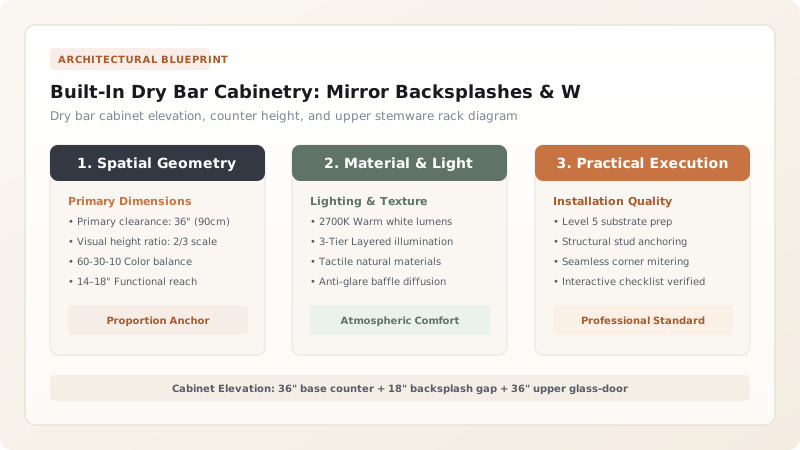
1. Sizing Dimensions & Cabinetry Proportions
A built-in dry bar turns a dining room alcove or living room recess into a luxury entertaining destination. Unlike wet bars that require plumbing pipes and drain vents, a dry bar requires only a standard 120V 15A electrical outlet to power beverage refrigeration and LED lighting.

Dry Bar Cabinetry Specifications
Use this reference table to calculate exact physical dimensions, ratios, and specifications before purchasing:
| Cabinet Component | Standard Dimension | Material / Finish | Functional Purpose |
|---|---|---|---|
| Base Cabinet Unit | 36" H × 24" D | Painted Hardwood / Shaker | Houses beverage cooler & liquor drawers |
| Countertop Slab | 1.25" thick × 25" D | Calacatta Quartz / Granite | Resists citrus acids & red wine stains |
| Backsplash Wall | 18" - 20" high | Antiqued Smoked Mirror / Zellige | Reflects glassware light beautifully |
| Upper Display Unit | 36" - 42" H × 14" D | Fluted glass doors + Oak interior | Dust-free stemware & bottle display |
Red Wine & Citrus Acid Countertop Constraints
Every successful decoration project must account for physical and environmental constraints:
Lemon Juice and Wine Etching Marble Bar Tops
Bar prep involves citrus juice and red wine; real Carrara marble will etch instantly; use non-porous engineered quartz that is 100% impervious to citric and tartaric acids.
How to Build a Dining Room Dry Bar
Execute this professional sequence to achieve flawless results without backtracking:
Run Dedicated 120V Outlet
Install quad outlet inside base cabinet cavity for fridge and lights.
Install Base Cabinet & Fridge
Secure base cabinet leaving a 24-inch opening for front-venting wine cooler.
Set Quartz Countertop
Adhere 1.25-inch quartz slab with silicone adhesive.
Adhere Mirror Backsplash
Glue antique mirror panels with specialized mirror mastic.
Mount Upper Cabinets
Install upper glass-front cabinets with integrated stemware hanging rails.
Common Mistakes & Countermeasures
Avoid these costly errors that compromise aesthetics, ergonomics, and budget:
Using Porous Wood Countertops Around Cocktail Prep
Project Execution Checklist
Track your physical progress. Checkboxes persist automatically on this device:
Frequently Asked Questions
What is the difference between single-zone and dual-zone wine coolers?
A dual-zone wine cooler has two independently controlled compartments: one kept at 45-50°F for white wines and champagne, and one kept at 55-65°F for red wines.


