
Incorporate LED backlighting into fluted wall panels by routing a 5/8-inch wide aluminum extrusion channel flush between panel sections, or mounting a top perimeter ceiling slot to cast downward grazing light across the vertical ribs at 2700K.
At a Glance: Key Takeaways
- Surface Grazing Physics: Light positioned close to the wall (1-2" offset) creates dramatic long shadow grooves.
- Recessed Vertical Inlays: Black anodized aluminum channels embedded flush between fluted panels for architectural lines.
- Top Perimeter Slot: Concealed ceiling drop slot washes the full height of the flutes from top to bottom.
- Low-Output Grazing Standard: 150 to 250 lumens/ft (subtle warm glow without overpowering room ambiance).
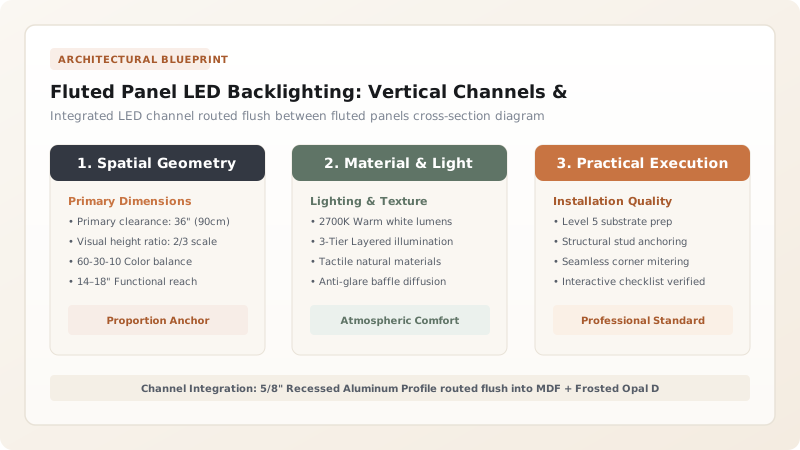
1. Optical Physics: Surface Grazing vs Direct Floodlighting
When light hits a 3D textured surface straight-on (at 90 degrees), the light floods into the valleys, flattening the texture and making the wall look like a flat printed sticker. To make 3D fluting pop, you must employ Surface Grazing.
Positioning a linear LED light source 1 to 2 inches away from the wall plane at an acute angle forces light to skim across the curved peaks of the ribs, casting elongated, velvety shadow lines down every single vertical valley.

Fluted Wall LED Integration Strategies
Use this reference table to calculate exact physical dimensions, ratios, and specifications before purchasing:
| LED Integration Method | Channel Location | Optical Effect | Best Application |
|---|---|---|---|
| Top Perimeter Ceiling Graze | Concealed slot in ceiling (2" from wall) | Full-height vertical downward shadow wash | TV feature walls, headboard accent walls |
| Flush Vertical Channel Inlay | Routed between fluted MDF sections | Graphic vertical light spear accents | Modern commercial lobbies, luxury foyers |
| Bottom Baseboard Up-Glow | Concealed behind floating baseboard | Soft floor floating halo effect | Master bedroom suites, powder rooms |
| Backlit Floating Panel Reveal | Mounted behind perimeter of panel | 360-degree halo perimeter glow | Hanging fluted art panels, media consoles |
Wood Thermal Warping Near LED Strips Constraints
Every successful decoration project must account for physical and environmental constraints:
High-Heat LED Strips Drying and Cracking Natural Wood Veneer
High-wattage LED strips generate concentrated heat that dries out wood glue and cracks veneer; strictly use low-wattage (2.5 to 3.5 Watts/ft) accent LED tape inside aluminum heat-sink channels.
How to Install an Integrated LED Channel in Fluted Panels
Execute this professional sequence to achieve flawless results without backtracking:
Rout 5/8" Wide Channel
Rout a 5/8" wide × 3/8" deep straight dado channel into the MDF panel where the light will sit.
Drill Wire Pass-Through Hole
Drill a 1/4" hole at the bottom of the channel to pass low-voltage wire to the rear.
Glue Aluminum Extrusion
Secure aluminum profile inside dado with polyurethane adhesive.
Adhere 24V 2700K LED Tape
Stick 24V high-density LED tape inside channel and snap frosted opal diffuser lens flush.
Wire to Wall Dimmer
Connect to a central 24V dimmable driver controlled by a rotary wall dimmer.
Common Mistakes & Countermeasures
Avoid these costly errors that compromise aesthetics, ergonomics, and budget:
Using Cold 5000K Blue-White LEDs on Warm Wood Flutes
Project Execution Checklist
Track your physical progress. Checkboxes persist automatically on this device:
Frequently Asked Questions
Can fluted wall panel lighting be dimmed with smart home systems?
Yes! Wire the 24V LED power supply through a smart Zigbee, Lutron Caséta, or Z-Wave LED dimmer to automate warm evening scene lighting.


