
Select authentic coastal materials by combining weathered wire-brushed oak, fibrous plant weaves (sisal, jute, abaca rope), hand-thrown matte stoneware, washed Belgian linen, and marine-grade unlacquered brass hardware.
At a Glance: Key Takeaways
- Weathered Timber: Wire-brushed bleached white oak and reclaimed driftwood.
- Natural Plant Fibers: Sisal, jute, seagrass, and abaca rope for rugs and seating.
- Ceramics & Stone: Hand-thrown matte white stoneware and sand-honed limestone.
- Metals: Living unlacquered brass and marine-grade 316 stainless steel.
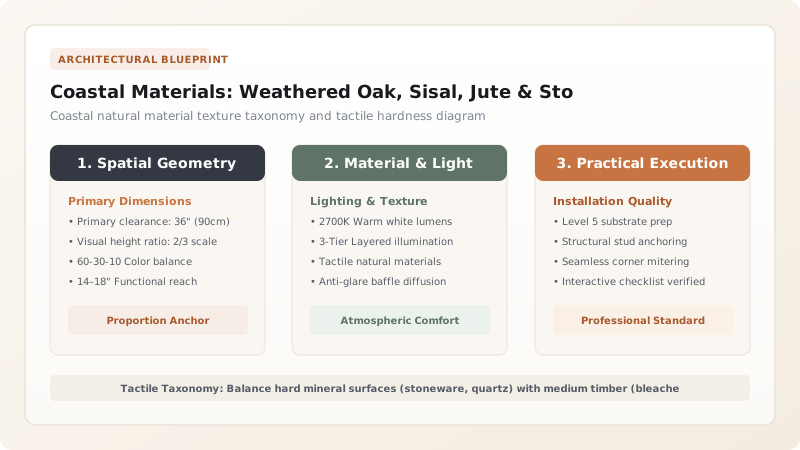
1. The Organic Material Taxonomy of Coastal Design
Authentic coastal interiors rely on raw, tactile materials shaped by natural elements: sun, salt, and water. Incorporating authentic textures ensures the room feels grounded and connected to the landscape.

Coastal Material Durability & Location Matrix
Use this reference table to calculate exact physical dimensions, ratios, and specifications before purchasing:
| Material Name | Tactile Texture | Moisture / Salt Resistance | Best Application |
|---|---|---|---|
| Wire-Brushed White Oak | Matte, raised wood grain | High (Oiled finish) | Dining tables, kitchen islands, flooring |
| Woven Abaca Rope | Chunky, fibrous, firm | Moderate (Indoor only) | Barstool backs, dining chair seating |
| Natural Sisal / Jute | Rough, earthy, textured | Moderate (Avoid direct water) | High-traffic living room and foyer rugs |
| Hand-Thrown Stoneware | Matte chalky ceramic | 100% Waterproof | Vases, tableware, decorative center bowls |
Jute Rug Fiber Shedding Constraints
Every successful decoration project must account for physical and environmental constraints:
New Jute Rug Shedding Dust
Natural jute rugs shed fine plant fibers during the first 2 months; vacuum regularly with the beater brush turned off to preserve fiber braids.
How to Assemble a Coastal Material Moodboard
Execute this professional sequence to achieve flawless results without backtracking:
Anchor Hardwood Base
Select a wire-brushed pale oak flooring sample.
Add Woven Texture
Layer a chunky woven jute rope or sisal swatch.
Introduce Soft Linen
Add bleached chalk white and soft mist blue linen swatches.
Finish with Stone & Metal
Complete with sand-honed limestone and unlacquered brass hardware.
Common Mistakes & Countermeasures
Avoid these costly errors that compromise aesthetics, ergonomics, and budget:
Using Dark Red Mahogany or Cherry Wood in Coastal Rooms
Project Execution Checklist
Track your physical progress. Checkboxes persist automatically on this device:
Frequently Asked Questions
What is abaca rope made from?
Abaca is a natural plant fiber harvested from the leaves of the wild banana plant native to the Philippines, prized globally for its exceptional tensile strength and flexibility in luxury woven furniture.


