
Standard nightstands measure 24 to 28 inches tall, 20 to 28 inches wide, and 16 to 20 inches deep. Ensure the nightstand height matches the mattress surface within 2 inches and clears closet door swings by at least 30 inches.
At a Glance: Key Takeaways
- Standard Height: 24 to 28 inches from floor.
- Standard Width: 20 to 24 inches (Queen), 28 to 32 inches (King).
- Drawer Depth: 16 to 18 inches deep with full-extension glides.
- Clearance: Maintain 24 to 30 inches of open walking path beside the bed.
1. The Ratio of Bed Width to Nightstand Width
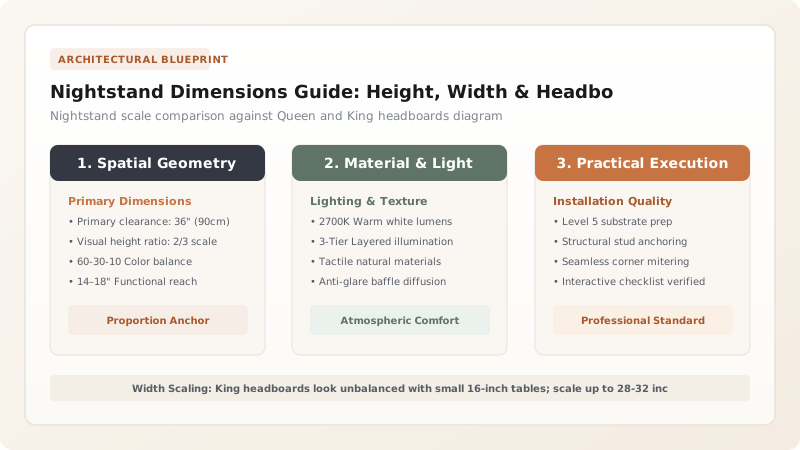
The visual weight of your headboard dictates the required width of your bedside tables. A massive upholstered King headboard paired with tiny 16-inch side tables appears top-heavy and disproportionate.

Nightstand Dimension Standards
Use this reference table to calculate exact physical dimensions, ratios, and specifications before purchasing:
| Dimension Category | Compact Specification | Standard Specification | Luxury / Master Suite |
|---|---|---|---|
| Total Height | 20" - 22" | 24" - 26" | 27" - 29" |
| Total Width | 16" - 18" | 22" - 26" | 28" - 34" |
| Total Depth | 14" - 15" | 16" - 18" | 19" - 22" |
| Drawer Count | 1 Upper Drawer | 2 - 3 Drawers | 3 Drawers + Pullout Tray |
Closet Door Swing Constraints
Every successful decoration project must account for physical and environmental constraints:
Hinged Wardrobe Door Collision
In tight bedrooms, nightstands placed too close to wardrobe walls block closet door swings; verify a 30-inch clearance radius from wardrobe doors.
How to Measure Your Bedroom for Nightstands
Execute this professional sequence to achieve flawless results without backtracking:
Measure Headboard Wall
Measure total wall length minus window trims and electrical sockets.
Subtract Bed Width
Subtract bed width (e.g. 64 inches for Queen) to find remaining side space.
Divide by Two
Divide remaining width by 2 to determine maximum allowable nightstand width.
Check Mattress Crown
Measure vertical floor-to-mattress height to select matching nightstand legs.
Common Mistakes & Countermeasures
Avoid these costly errors that compromise aesthetics, ergonomics, and budget:
Buying Nightstands Deeper than 20 Inches in Small Rooms
Project Execution Checklist
Track your physical progress. Checkboxes persist automatically on this device:
Frequently Asked Questions
Can nightstands be taller than the mattress?
Yes, but only by 1 to 2 inches maximum. A nightstand up to 2 inches higher is acceptable, but tables higher than 3 inches create awkward elbow collisions.


